
Ideas for Paving a Patio — 15 Paved Patio Ideas, Materials & Costs (2026)
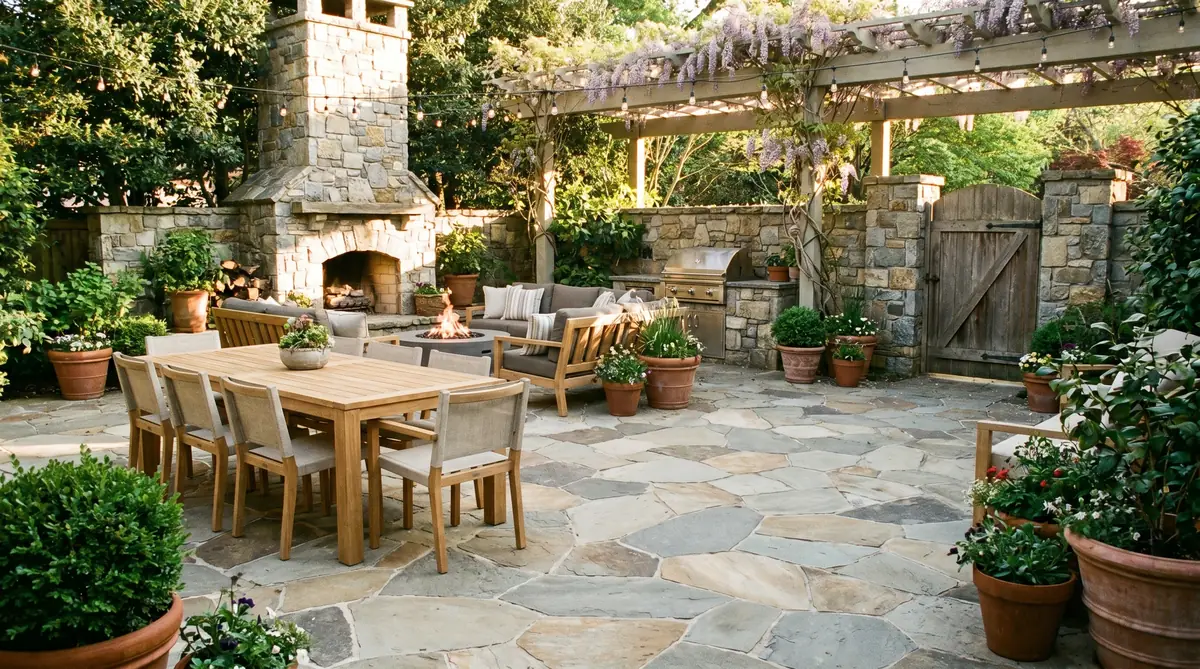
Quick Answer: Best Paved Patio Ideas by Budget
Paved patio ideas range from gravel with timber edging ($1–$3/sq ft, DIY) to granite cobbles ($25–$45/sq ft, pro install). The most popular choice is concrete block pavers ($5–$9/sq ft) — DIY-friendly, 20–30 year lifespan, and available in dozens of patterns. For modern homes, large-format porcelain tiles ($12–$22/sq ft) are the fastest-growing option in 2026. Material, climate, and intended use are the three factors that matter most when choosing a paved patio surface.
The right paved patio idea transforms a bare patch of ground into a functional outdoor room. The wrong choice — wrong material for your climate, wrong pattern for your style, wrong budget calculation — turns into an expensive redo within 5 years. This guide covers 15 proven paved patio ideas across every price point, with pattern options, material combinations, and the design decisions that actually hold up over time.
For full material pricing: Patio Pavement Price Guide | Paving Cost Calculator
15 Patio Paving Ideas at a Glance
| # | Idea | Material | Cost/sq ft | Best For | DIY Friendly |
|---|---|---|---|---|---|
| 1 | Gravel with timber edging | Crushed stone | $1–$3 | Budget, cottage gardens | ✅ Yes |
| 2 | Recycled asphalt millings | RAP | $2–$4 | Utility areas, budget | ✅ Yes |
| 3 | Concrete stepping stones in grass | Precast concrete | $3–$6 | Informal pathways, small patios | ✅ Yes |
| 4 | Basic concrete pavers | Concrete block | $5–$9 | Everyday use, budget | ✅ Yes |
| 5 | Exposed aggregate concrete | Poured concrete | $8–$14 | Modern homes, low maintenance | ⚠️ Moderate |
| 6 | Tumbled concrete pavers | Concrete block | $8–$14 | Rustic, Mediterranean style | ✅ Yes |
| 7 | Classic clay brick herringbone | Clay brick | $10–$18 | Traditional, cottage style | ⚠️ Moderate |
| 8 | Stamped concrete | Poured concrete | $10–$18 | Seamless look, low joints | ❌ Pro only |
| 9 | Porcelain paving tiles | Porcelain | $12–$22 | Modern/contemporary style | ⚠️ Moderate |
| 10 | Mixed-size concrete pavers | Concrete block | $10–$16 | Modern, random-look aesthetic | ⚠️ Moderate |
| 11 | Bluestone pavers | Natural stone | $15–$28 | East Coast traditional style | ⚠️ Moderate |
| 12 | Travertine tiles | Natural stone | $15–$30 | Pool surrounds, Mediterranean | ⚠️ Moderate |
| 13 | Random flagstone | Natural stone | $18–$35 | Organic, garden style | ⚠️ Skilled |
| 14 | Slate pavers | Natural stone | $20–$38 | Premium contemporary | ⚠️ Skilled |
| 15 | Granite setts/cobbles | Natural stone | $25–$45 | Luxury, heritage style | ❌ Pro recommended |
Budget Ideas: Under $10/sq ft
1. Gravel with Timber or Steel Edging
Pea gravel or crushed granite within a defined timber, steel, or brick edging frame is the most affordable patio surface available. It drains perfectly, stays cool underfoot, and takes an afternoon to install. The trade-off: furniture legs sink in, gravel migrates, and it's not suitable for heavy foot traffic areas. Best for side gardens, fire pit areas, and low-use relaxation zones.
2. Recycled Asphalt Millings
Recycled asphalt millings compact into a firm, dark surface that handles vehicle traffic and drains better than new asphalt. It's an excellent budget choice for utility patios, workshops, and areas where looks are secondary to function. In warm weather, the surface reactivates slightly and self-repairs minor damage. Use our Gravel Calculator to estimate material quantities.
3. Stepping Stones in Lawn
Large precast concrete or natural stone slabs set flush into grass create an informal patio or pathway that blends into the garden. Space stones roughly 18–24 inches apart (centre to centre) for comfortable walking. This works best for low-traffic areas — heavy use kills the grass between stones and creates a muddy mess.
4. Concrete Block Pavers
Standard 4×8-inch concrete pavers are the workhouse of affordable patio paving. Available at every hardware store, easy to cut, and completely DIY-installable with basic tools. Lay them in running bond or herringbone on a compacted sand bed. If one cracks, replace it individually — no demolition needed. For full pricing, see our Patio Pavement Price Guide.
Mid-Range Ideas: $10–$20/sq ft
5. Exposed Aggregate Concrete
Poured concrete with the surface cream washed away to expose decorative stone aggregate. Creates a textured, non-slip surface with a premium look at a fraction of natural stone cost. Colour options depend on the aggregate used — quartz, river pebbles, or basalt all produce different finishes. Requires professional pouring and washing — timing is critical.
6. Tumbled Concrete Pavers
Concrete pavers tumbled in a drum to round their edges and create a worn, aged appearance. They lay the same way as standard pavers but look far more expensive. Perfect for cottage gardens, Mediterranean-style homes, and anyone who wants a traditional look without natural stone prices.
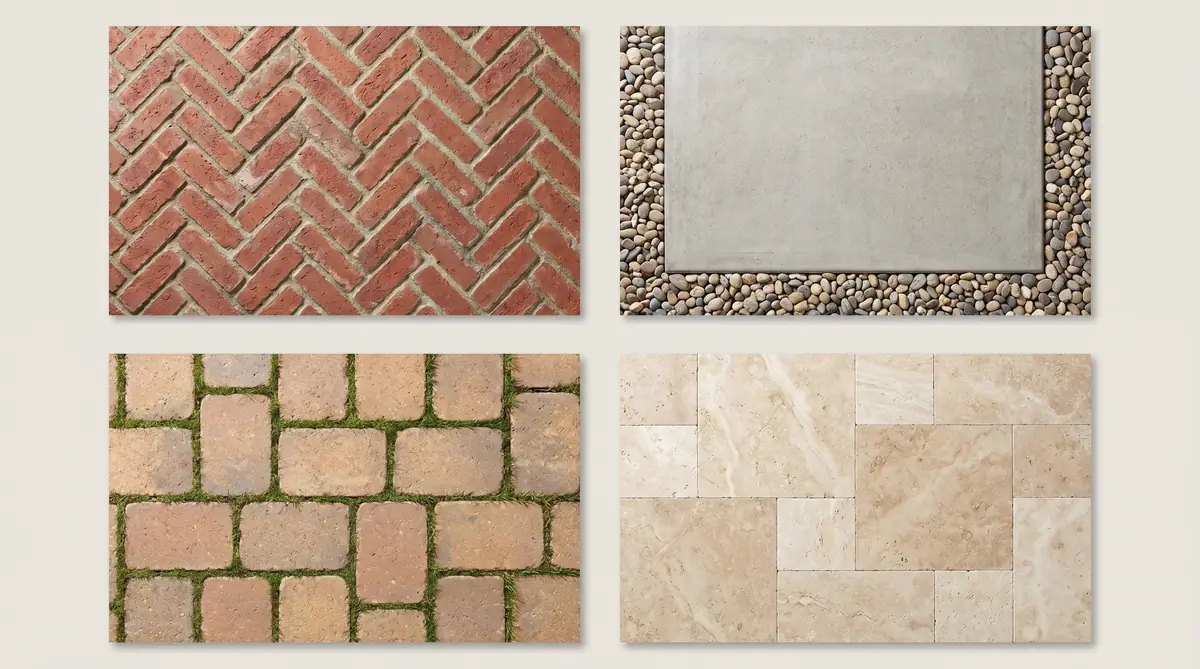
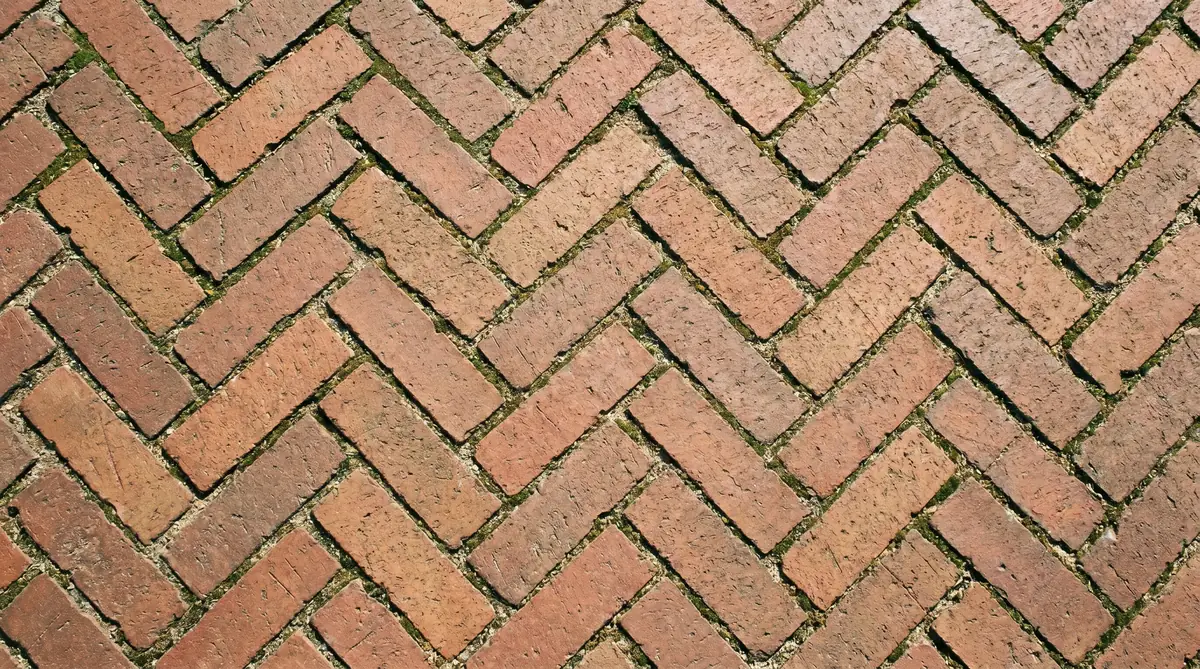
7. Classic Clay Brick in Herringbone
Clay brick in a herringbone pattern is one of the most timeless patio designs available. The 45° interlocking pattern distributes load exceptionally well, resists shifting, and looks as good in year 30 as year 1. Clay brick is more expensive than concrete but holds colour better over decades. Suitable for traditional, Georgian, and Edwardian-style homes.
8. Stamped Concrete
Poured concrete pressed with rubber stamps to mimic stone, slate, brick, or wood plank patterns. Delivers a seamless, low-joint surface with high design flexibility. The weakness: sealer must be reapplied every 2–3 years, and if the concrete cracks, the repair is visible. Best for large areas where a uniform look matters and budget doesn't stretch to natural stone.
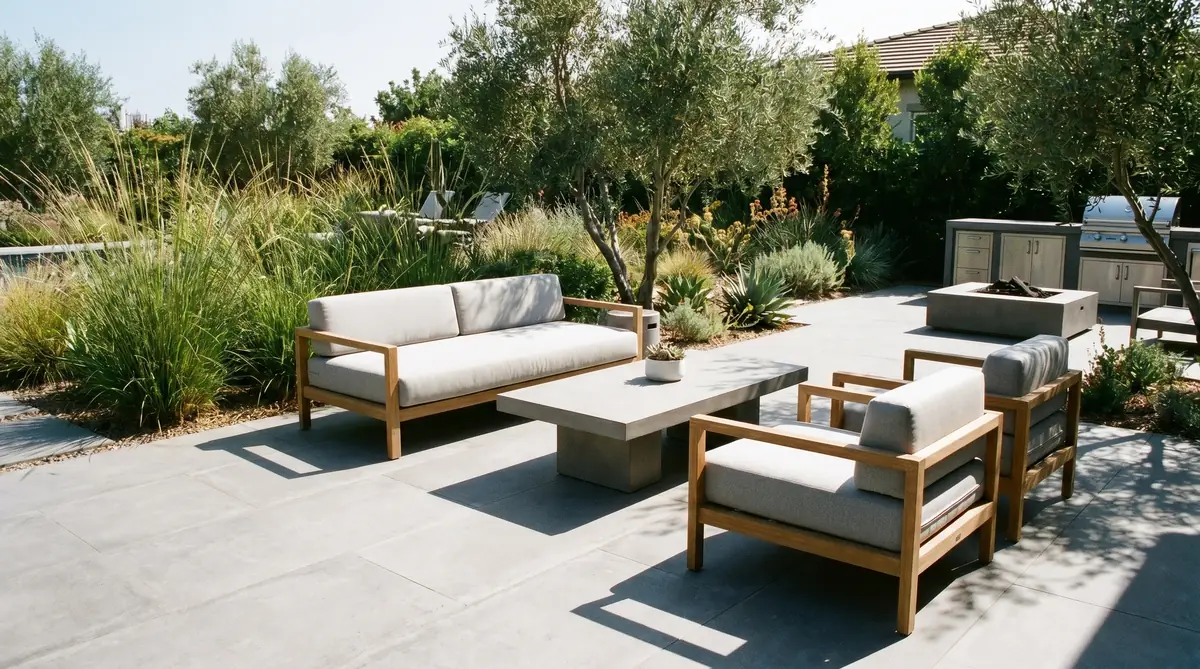
9. Large-Format Porcelain Tiles
Large (24×24 inch or 600×600mm) porcelain tiles in concrete grey, slate-look, or wood-effect finishes are the defining aesthetic of modern patio design in 2026. They're scratch-resistant, frost-proof (when rated for outdoor use), and virtually maintenance-free. Requires a flat, well-prepared base — any movement in the sub-base will crack the tile. Always check the slip rating (R11 or higher for outdoor use).
Premium Ideas: $20–$45/sq ft
10–11. Natural Bluestone & Travertine
Bluestone is the classic choice for East Coast American patios — dense, flat-splitting, and available in both thermal (smooth) and natural cleft (textured) finishes. Travertine is the go-to for pool surrounds and Mediterranean-style homes — its natural pits provide drainage and it stays cool underfoot in direct sun. Both require polymeric sand joints and periodic sealing to prevent staining.
12–13. Random Flagstone & Slate
Irregular natural stone pieces — sandstone, limestone, slate, or quartzite — fitted together like a jigsaw puzzle with planted or mortared joints. The organic, one-of-a-kind appearance is impossible to replicate with manufactured materials. Labour-intensive to install correctly; gaps must be consistent (2–3 inches) and stones must be set level to avoid trip hazards. Worth every penny for gardens designed to last generations.
14–15. Granite Setts & Cobbles
Granite setts (small rectangular blocks) and cobbles are the paving material of European city centres — virtually indestructible, frost-proof, and gaining popularity in luxury residential projects. They work best in formal or heritage-style settings and around water features. Installation requires professional expertise to achieve correct falls and a stable mortar bed.
Pattern & Layout Guide
| Pattern | Difficulty | Best Material | Visual Effect | Waste % |
|---|---|---|---|---|
| Running bond | Easy | Any rectangular paver | Classic, elongating | 5–8% |
| Herringbone (90°) | Moderate | Brick, concrete paver | Traditional, strong | 8–12% |
| Herringbone (45°) | Moderate–Hard | Brick, concrete paver | Dynamic, diagonal | 12–15% |
| Basketweave | Easy | Brick (pairs) | Cottage, informal | 5–8% |
| Stacked bond | Easy | Large-format tile/slab | Modern, grid-like | 5–8% |
| Circular/fan | Hard | Brick, sett | Formal, focal point | 15–20% |
| Random flagstone | Hard | Natural stone | Organic, natural | 10–15% |
Material Combination Ideas
- Concrete pavers + gravel border: Define the paved area with a 12-inch gravel or crushed stone surround. Adds drainage, reduces edging cost, and creates a clean visual frame.
- Pavers + grass joints: Lay pavers with 2–3 inch gaps and plant creeping thyme, mondo grass, or Irish moss between them. Softens hard surfaces and looks stunning in summer.
- Large stone slabs + pebble infill: Set 24×24-inch flagstones with loose river pebbles between. Achieves the flagstone look at lower material cost — pebbles replace expensive stone cuts.
- Brick border + concrete centre: Use clay brick as a decorative border (2–3 courses wide) around a plain concrete or paver centre. Adds premium appearance at a fraction of all-brick cost.
- Porcelain + hardwood decking: Alternate zones of large porcelain tile and composite decking boards. The contrast of materials defines areas (dining vs. lounge) within one unified outdoor space.
Design by Use Case
| Use Case | Key Requirements | Best Materials | Patterns to Avoid |
|---|---|---|---|
| Dining area | Level, smooth, stable under furniture legs | Large-format porcelain, stamped concrete, bluestone | Loose gravel, irregular flagstone |
| Outdoor entertaining | Large flat area, non-slip, easy to clean | Concrete pavers, exposed aggregate, porcelain | Cobbles, deep-jointed paving |
| Pool surround | Non-slip (R11+), heat reflective, frost-proof | Travertine, brushed concrete, textured porcelain | Dark stone (heat), polished tiles (slip) |
| Garden focal point | Visual appeal, low maintenance | Random flagstone, granite setts, brick circle | Plain concrete, basic grey pavers |
| Fire pit area | Heat resistant, stable, easy to maintain | Brick, natural stone, concrete pavers | Resin-bound, timber decking |
5 Mistakes That Ruin a Patio Paving Project
- Skipping the sub-base. A 4-inch compacted MOT Type 1 or crushed stone base is non-negotiable. Patios laid directly on topsoil will sink, shift, and heave within 2–3 years regardless of how expensive the surface material is.
- No drainage slope. Your patio must fall away from the house at a minimum 1:60 gradient (roughly 1 inch drop per 5 feet). Flat patios pool water against foundations — the #1 cause of damp walls and basement flooding.
- Wrong joint sand. Standard building sand washes out, allowing weeds and ants. Always use polymeric jointing sand — it hardens when wet and locks pavers in place permanently. The £20 price difference saves hundreds in re-jointing.
- Choosing material before checking climate. Travertine is stunning in Arizona but spalls and pits in freeze-thaw climates. Natural limestone stains instantly near barbecues or in acid-rain regions. Always check frost rating and porosity before buying.
- Underestimating material quantities. Always add 10% for cuts and breakage on rectangular patterns, 15% for herringbone, and up to 20% for random flagstone. Running short mid-project and ordering a second batch risks a colour mismatch. Use our Paving Cost Calculator to get accurate quantities upfront.
Frequently Asked Questions
What is the cheapest way to pave a patio?
Gravel or crushed stone within a timber edging frame is the cheapest option at $1–$3/sq ft installed. For a firm surface, recycled asphalt millings come in at $2–$4/sq ft. Basic concrete pavers DIY-installed are the cheapest option that gives a proper hard-paved finish at $5–$9/sq ft.
What paving material lasts the longest?
Natural granite, bluestone, and slate last 50–100+ years when properly installed. Clay brick lasts 25–50 years. Concrete pavers last 20–30 years. Poured concrete lasts 15–30 years but cannot be partially replaced — the entire slab must be broken out if it fails. See full lifespan data in our Patio Pavement Price Guide.
What is the most popular patio paving material in 2026?
Concrete pavers remain the most widely installed — best balance of cost ($5–$15/sq ft), durability, and DIY accessibility. Large-format porcelain tiles are the fastest-growing choice for new builds and renovations where a modern aesthetic is the priority.
Do I need planning permission to pave a patio?
In the US, most residential patios under 200 sq ft don't require a permit. Larger patios or those attached to the house structure may need one — check with your local municipality. In the UK, front garden paving over 5 sq metres of impermeable surface requires planning permission; permeable paving is exempt.
What paving pattern is easiest for a first-time DIYer?
Running bond (staggered rows like standard brickwork) is the most forgiving — simple cuts, intuitive layout, and easy to adjust. Herringbone looks more impressive but requires more 45° angle cuts. Avoid random flagstone for a first project — fitting irregular shapes neatly demands significant skill and patience.