
Cost of Removing a Pool: What Pool Removal Costs in 2026
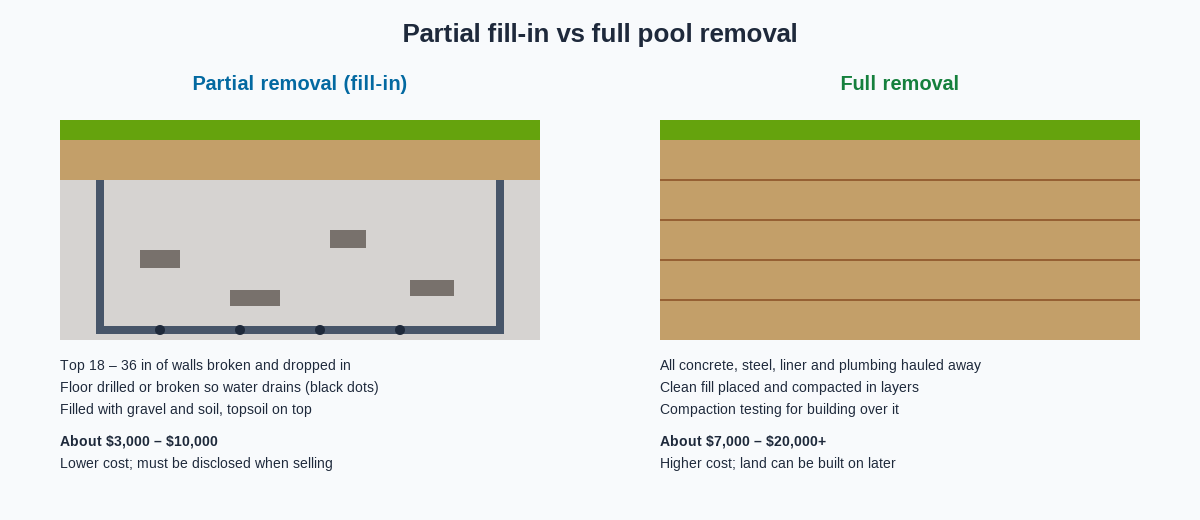
Diagram: Asphapro.com
Quick Answer
The cost of removing a pool depends on the pool type and the removal method. Inground pool removal cost is about $3,000 to $10,000 for a partial removal (fill-in), where the top of the walls is broken into the pool and the hole is filled, and $7,000 to $20,000 or more for a full removal, where all concrete, steel and debris are hauled away and the soil is compacted so you can build there later. Above ground pool removal cost is about $300 to $1,500, or less if you take it down yourself. Fill dirt, permits, access and haul-away fees make up a large share of the total.
Not every pool is a joy forever. Many homeowners decide to get rid of a pool because it is old and needs a costly remodel, they no longer use it, upkeep and insurance are too high, it is a safety concern with small children, or they want the yard back for a garden, patio or addition. Whatever the reason, the cost of removing a pool can vary by more than $15,000 depending on how it is done.
This guide explains swimming pool removal cost in detail: prices for partial and full removal, costs by pool type and size, above ground pool removal cost, what affects the price, permits and inspections, fill dirt, hidden costs, how the job is done, and how pool removal affects your home's value.
Cost of Removing a Pool at a Glance
| Removal type | Typical cost |
|---|---|
| Above ground pool removal (pro) | $300 – $1,500 |
| Above ground pool removal (DIY, with dumpster) | $0 – $500 |
| Inground pool partial removal (fill-in) | $3,000 – $10,000 |
| Inground pool full removal | $7,000 – $20,000+ |
| Fiberglass pool removal | $5,000 – $15,000 |
| Vinyl liner pool removal | $3,000 – $12,000 |
| Concrete or gunite pool removal | $5,000 – $20,000+ |
| Hot tub or spa removal | $250 – $1,500 |
These ranges come from national cost guides such as HomeGuide, Angi and Fixr and from typical contractor quotes. Costs are higher in big cities, on sites with poor access, and for large or very deep pools.
Pool Removal Cost vs the Cost of Keeping a Pool
Before paying the cost of removing a pool, compare it with what the pool costs you each year. A typical inground pool costs about $1,000 to $3,000 a year for chemicals, power, repairs and opening and closing, plus higher insurance. Over ten years, that is $10,000 to $30,000, before any major repairs. Resurfacing, new equipment or a liner every 8 to 15 years adds $4,000 to $15,000 more.
Against that, a one-time pool removal cost of $5,000 to $15,000 often pays for itself in five to eight years for owners who rarely swim. If you still use the pool often and it is in decent shape, keeping it usually makes more sense. If it needs a full remodel and nobody uses it, the cost to get rid of pool upkeep for good is often the better value.
Why Homeowners Remove Pools
The most common reasons owners pay the cost of removing a pool are:
- Major repairs due: cracked shells, failing plumbing or worn finishes that would cost more than removal.
- Low use: children grown, or the pool sits unused most of the year.
- Safety: young grandchildren or a new family with toddlers.
- Costs: water, power, chemicals and insurance add up.
- Selling: an old pool in a market where buyers do not want one.
- Yard space: room for gardens, play areas or an addition.
Best Time of Year for Pool Removal
Dry weather is best, because demolition and compaction go faster and machines do less damage to lawns. Late summer and fall are popular in most areas. Spring can be busy and wet, and winter in cold climates brings frozen ground. Booking in the off-season can lower swimming pool removal cost a little, since crews have more open dates. Allow two to six weeks for permits before work starts.
Removing a Pool Before Selling a Home
If you plan to sell, talk to a local real estate agent before you pay the pool removal cost. In some neighborhoods a working pool adds value, and a repair or resurfacing makes more sense. In others, a pool that needs work can scare buyers away, and a clean lawn sells better. If you remove it, keep every permit and inspection record and disclose the work; buyers and lenders feel much more confident when the paperwork is complete. A full removal with compaction tests is the cleanest choice when the yard might be built on later.
Partial vs Full Pool Removal
Partial removal (fill-in)
Partial removal is the most common and lowest-cost way to get rid of a pool. The contractor drains the pool, drills or breaks holes in the floor so water can drain through, breaks off the top 18 to 36 inches of the walls and drops the rubble into the pool, then fills the hole with gravel and soil and finishes with topsoil. The lower walls and floor stay buried. Partial removal costs about $3,000 to $10,000.
The downside: the buried concrete stays on your property. Most buyers and lenders want to know about it, many towns require the fill-in to be recorded, and you usually cannot put a building over it without a soil engineer's approval. The area is fine for lawns, gardens and light patios.
Full removal
In a full removal, everything is taken out: concrete or gunite shell, steel rebar, vinyl liner and walls, fiberglass shell, plumbing and the deck. The hole is then filled with clean fill and compacted in layers, often with compaction testing. Full removal costs about $7,000 to $20,000 or more, but the land can be used for anything later, including a home addition, and there is less to disclose when selling.
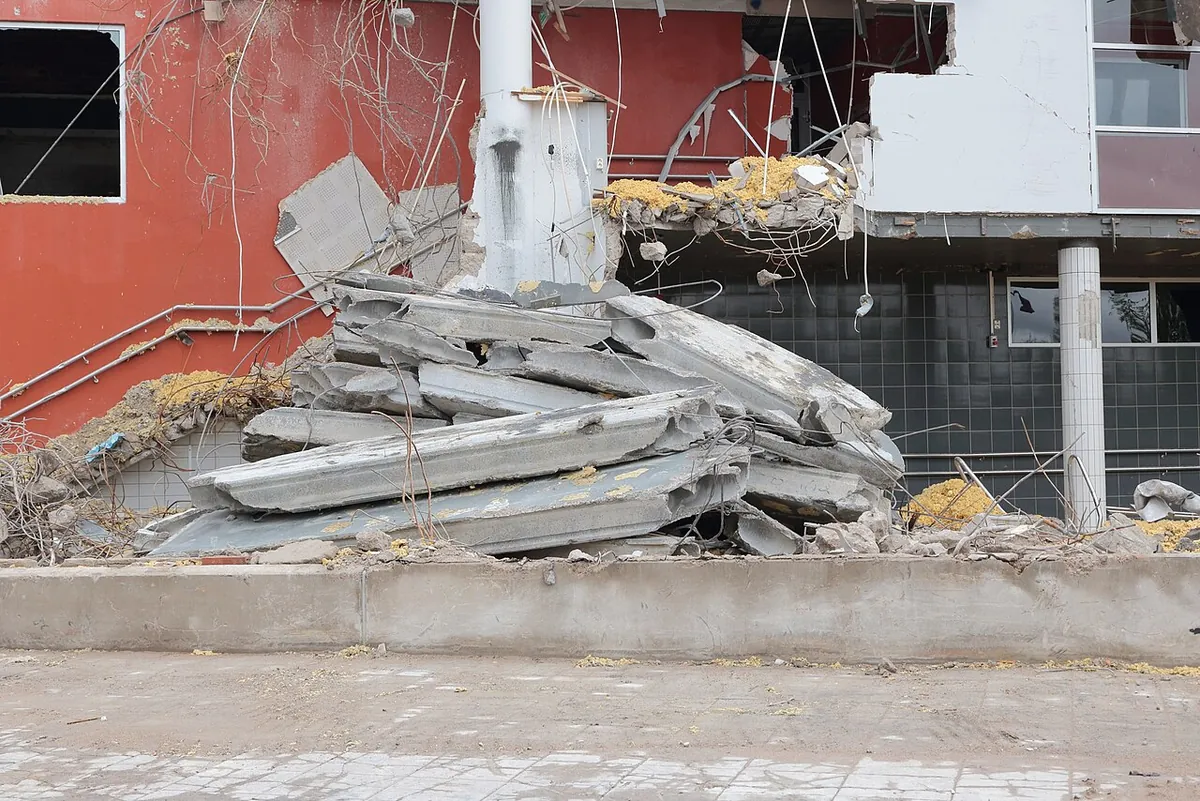
Photo: Estormiz, Wikimedia Commons, CC0
| Factor | Partial removal | Full removal |
|---|---|---|
| Cost | $3,000 – $10,000 | $7,000 – $20,000+ |
| Time | 2 – 5 days | 3 – 10 days |
| Debris hauled away | Some | All |
| Can build on it later | Usually not without engineering | Yes, with compaction testing |
| Disclosure on sale | Usually required | Often still disclosed, but less of a concern |
Inground Pool Removal Cost by Pool Type
The pool material has a big effect on in ground pool removal cost.
Concrete and gunite pools
Concrete pools are the hardest and most expensive to remove because the shell is thick and full of rebar. Full removal of a concrete pool often costs $10,000 to $20,000 or more. Partial removal is common for concrete pools and costs $4,000 to $10,000.
Vinyl liner pools
Vinyl pools have steel or polymer walls and a vinyl liner, with a concrete collar around the walls and often a grout or sand floor. They are easier to remove; the liner and walls come out quickly. Cost to remove an inground vinyl pool is about $3,000 to $12,000.
Fiberglass pools
A fiberglass pool shell is cut into pieces and hauled away, or occasionally lifted out whole. In ground pool removal cost for fiberglass runs about $5,000 to $15,000.
Swimming Pool Removal Cost by Size
| Pool size | Partial removal | Full removal |
|---|---|---|
| Small (12 x 24 ft) | $3,000 – $6,000 | $6,000 – $12,000 |
| Average (16 x 32 ft) | $4,000 – $8,000 | $8,000 – $16,000 |
| Large (20 x 40 ft) | $6,000 – $10,000 | $12,000 – $20,000+ |
Above Ground Pool Removal Cost
Above ground pool removal cost is far lower: about $300 to $1,500 for a pro to drain the pool, take apart the wall, frame and liner, and haul them away. Larger pools with decks cost more. Removing a deck around the pool adds $500 to $3,000.
Many owners remove above ground pools themselves. The steps are: drain the pool, cut the liner into strips, remove the top rails, uprights and wall, and dispose of the parts. A dumpster rental costs $300 to $600, and the steel wall and frame can often go to a scrap yard for free or a small payment. After removal, the sand base and any dead grass need to be raked out and the area reseeded or sodded.
What Affects Pool Removal Cost?
These factors explain why one pool removal cost quote can be double another.
- Removal method: full removal costs roughly twice as much as partial removal.
- Pool material: concrete and gunite cost the most to break up; vinyl and fiberglass less.
- Size and depth: a bigger, deeper pool needs more demolition and more fill.
- Access: if an excavator and dump trucks cannot reach the pool, work takes longer and may need smaller machines, a crane or removing a fence.
- Deck and extras: concrete decks, spas, waterfalls, retaining walls and equipment pads add demolition and hauling.
- Fill material and distance: fill dirt and gravel prices vary by region, and long hauls add trucking cost.
- Disposal fees: landfill and recycling charges for concrete and debris.
- Permits and engineering: permits, inspections and compaction testing for full removals.
- Restoration: topsoil, sod, seed or a new patio over the area.
How Pool Removal Works: Step by Step
Knowing the process helps you understand where the cost of removing a pool goes.
- Permits and utility locate. The contractor pulls a demolition permit and calls 811 to mark utilities.
- Draining. The pool is pumped out into a sewer cleanout or an approved area. See how to drain a pool.
- Disconnecting equipment. Gas, electric and water lines to the pump, heater and lights are shut off and capped by licensed trades.
- Demolition. Machines with hydraulic breakers break up the deck and shell. For partial removal, holes are punched through the floor and the top of the walls is broken in. For full removal, all concrete and steel is loaded out.
- Hauling. Debris is trucked to a landfill or concrete recycler.
- Filling. Gravel goes in first for drainage, then fill dirt in layers 6 to 12 inches thick, each compacted with a roller or plate compactor.
- Inspection. Many towns inspect the open hole before filling and the final grade after.
- Final grade and topsoil. The area is graded to drain away from the house and topped with 6 inches or more of topsoil for planting.
Fill Dirt and Material Costs
An average 16 x 32 ft pool with an average depth of about 5.5 feet holds roughly 100 cubic yards of space. Partial removals use some broken concrete to take up volume, so they need a bit less fill.
| Material | Typical price, delivered | Use |
|---|---|---|
| Fill dirt | $10 – $30 per cubic yard | Bulk of the fill |
| Gravel or crushed stone | $30 – $60 per cubic yard | Drainage layer at the bottom |
| Topsoil | $25 – $55 per cubic yard | Top 6 – 12 inches for lawn or garden |
| Sod | $1 – $2 per sq ft installed | Finished lawn |
Fill and topsoil for an average pool usually cost $1,500 to $4,500 of the total cost of removing a pool.
Permits, Inspections and Disclosure
Most towns require a demolition permit for inground pool removal, usually $100 to $1,000. Inspectors may check that holes were drilled in the floor (for partial removal), that fill was placed and compacted correctly, and that utilities were capped. For full removals intended for future building, a geotechnical engineer may test compaction for $500 to $2,000.
When you sell your home, most states require you to disclose a filled-in pool. Keep all permits, inspection reports and compaction tests to show buyers the work was done properly.
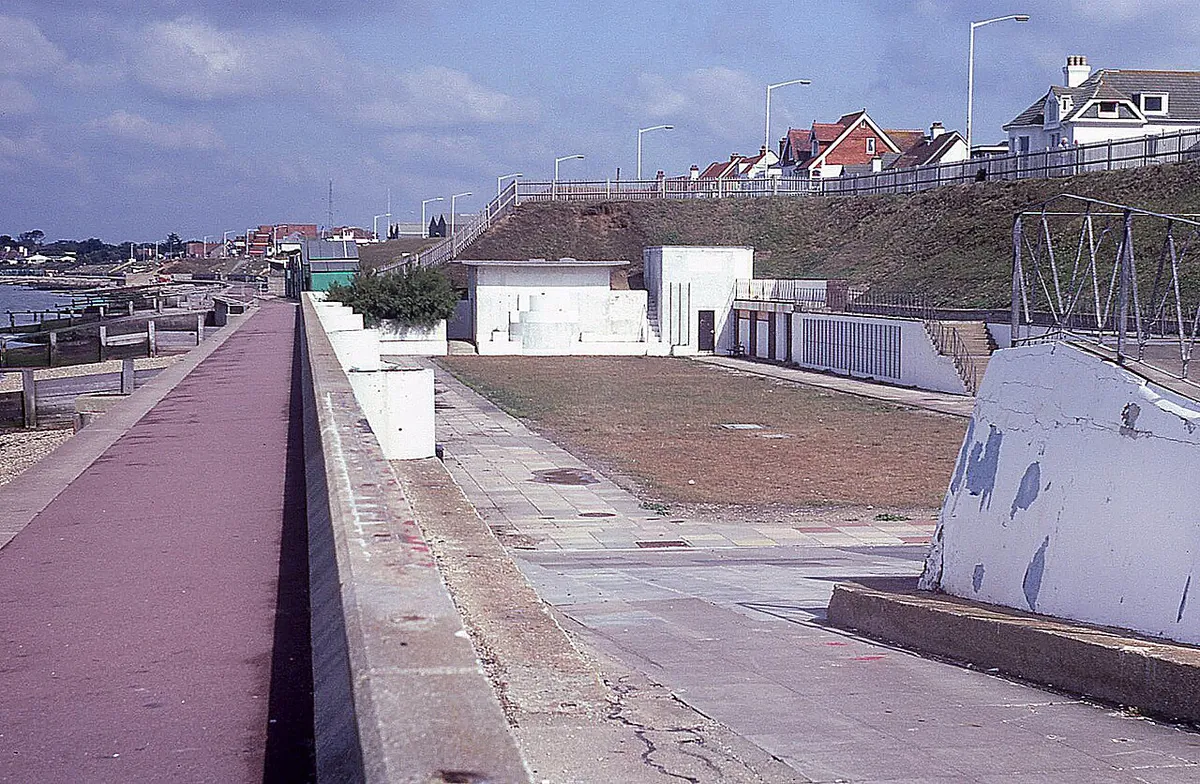
Photo: Barry Shimmon, Wikimedia Commons, CC BY-SA 2.0
Hidden Costs of Pool Removal
Watch for these extras, which can push swimming pool removal cost above the first quote.
- Deck and patio removal: $2 to $6 per sq ft for concrete decks.
- Fence changes: removing a section to let machines in, then replacing it.
- Lawn and driveway repair after heavy trucks cross them.
- Equipment removal: pump, filter, heater and pad.
- Capping gas and electrical lines by licensed trades, $150 to $600.
- Settling: poorly compacted fill can sink; topping it up later costs extra.
- Rock or groundwater found during full removal.
Does Removing a Pool Increase Home Value?
It depends on the market. In warm areas where buyers expect pools, removing one may lower appeal. In cooler climates, or with an old pool needing major repairs, many buyers see a pool as a cost and a liability, and a clean, usable yard can make the home easier to sell. Removing a pool also lowers insurance premiums and ends ongoing upkeep, which can save $1,000 to $3,000 or more a year. Compare the cost of removing a pool with the cost of repairing it; see pool remodel cost.
Alternatives to Removing a Pool
- Remodel the pool with new plaster, tile and equipment.
- Downsize by converting part of the pool to a smaller plunge pool or spa.
- Cover with a structural deck built over the pool (check local rules).
- Convert to a pond or garden feature, if local codes allow.
- Close it long-term with a safety cover, though maintenance and insurance continue.
How to Lower the Cost of Removing a Pool
- Get at least three written quotes, and make sure each covers the same method, fill and restoration.
- Choose partial removal if you will never build on the spot.
- Drain the pool and remove equipment yourself if the contractor allows.
- Ask about recycling concrete, which can be cheaper than landfill.
- Schedule in the off-season when demolition crews are less busy.
- Seed the lawn yourself instead of paying for sod.
Example Pool Removal Budgets
These sample budgets show how the cost of removing a pool adds up line by line.
Example 1: Partial removal of a 16 x 32 ft concrete pool
| Item | Cost |
|---|---|
| Permit | $250 |
| Draining and capping utilities | $400 |
| Demolition of deck edge and top of walls, floor holes | $2,800 |
| Gravel, fill dirt and compaction | $2,400 |
| Topsoil and seed | $700 |
| Total | about $6,550 |
Example 2: Full removal of a 16 x 32 ft concrete pool
| Item | Cost |
|---|---|
| Permit and engineering | $1,200 |
| Draining and capping utilities | $400 |
| Full demolition, shell and deck | $5,500 |
| Hauling and disposal | $2,500 |
| Fill, compaction in layers, testing | $3,500 |
| Topsoil and sod | $1,400 |
| Total | about $14,500 |
Example 3: DIY removal of a 24 ft round above ground pool
| Item | Cost |
|---|---|
| Dumpster rental (10 – 15 yards) | $350 |
| Scrap metal (steel wall and frame) | $0 or a small credit |
| Topsoil and grass seed | $150 |
| Total | about $500 |
Pool Removal Cost by Region
| Region | Partial removal | Full removal |
|---|---|---|
| South (TX, FL, GA) | $3,000 – $8,000 | $7,000 – $15,000 |
| Southwest (AZ, NV) | $3,500 – $9,000 | $8,000 – $17,000 |
| Midwest | $3,500 – $9,000 | $8,000 – $17,000 |
| Northeast | $5,000 – $11,000 | $10,000 – $22,000 |
| California | $5,000 – $12,000 | $11,000 – $25,000 |
Areas with many pools, like Florida, Texas and Arizona, have more pool removal companies and more competitive pricing. Dense cities with tight lots and high dump fees push the cost of removing a pool up.
How to Remove an Above Ground Pool Yourself
- Drain the pool with the pump on its waste setting or a submersible pump, sending water to an approved spot.
- Unplug and remove the pump and filter. Sell or give away working equipment.
- Remove the ladder, top caps and top rails.
- Cut the liner into strips with a utility knife and roll them up.
- Remove the uprights and the wall. Unroll the steel wall carefully; edges are sharp. Wear gloves and eye protection.
- Remove the bottom track and plates.
- Haul everything to a dumpster, the landfill or a scrap yard.
- Restore the ground: rake out the sand, fill low spots, add topsoil and seed or sod.
Two people can usually take down a typical above ground pool in a day once it is drained. If it has a deck, plan an extra day or two.
Choosing a Pool Removal Contractor
- Hire a licensed and insured demolition or excavation contractor with pool removal experience.
- Ask whether the quote is for partial or full removal, and get it in writing.
- Confirm what fill is used, how it is compacted and whether testing is included.
- Ask who pulls permits and schedules inspections.
- Ask how they will protect your driveway, lawn and septic system.
- Get the final grade, topsoil and seeding spelled out in the contract.
- Check reviews and ask for addresses of past jobs.
What to Do With the Space After Removing a Pool
- Lawn or garden: the cheapest option, ideal over a partial removal.
- Patio or outdoor kitchen: pavers or a concrete patio, ideally after full removal or with an engineer's sign-off; see pool deck ideas for paving options.
- Play area or sport court.
- Home addition, garage or shed: only after full removal and compaction testing.
- A smaller water feature: some owners add a hot tub instead; see hot tub cost.
Hot Tub and Spa Removal
Many pools have an attached spa that goes with the pool during removal, adding little to the price. A separate portable hot tub costs about $250 to $800 to remove and haul away, and more if it must be cut up or lifted by crane. A built-in concrete spa costs $1,000 to $5,000 to remove on its own. Ask for the spa to be priced separately in your quote so you can compare options.
Environmental Notes
Concrete from a full removal can often be recycled into road base, which may lower disposal fees. Drained pool water should have low chlorine before it goes to a lawn or storm drain; many towns require dechlorination or sending it to the sanitary sewer. Old pool equipment, such as pumps and heaters, can go to metal recyclers. Ask your contractor how they dispose of each material, because responsible disposal can affect both the environment and the final cost of removing a pool.
Cost of Removing a Pool: Key Points
- Inground pool partial removal costs $3,000 to $10,000.
- Full removal costs $7,000 to $20,000+, but you can build on the land later.
- Above ground pool removal costs $300 to $1,500, less if DIY.
- Concrete pools cost the most to remove; vinyl the least.
- Permits, fill dirt and access are big parts of the price.
Frequently Asked Questions
How much does it cost to remove a pool?
About $3,000 to $10,000 for a partial inground removal, $7,000 to $20,000+ for full removal, and $300 to $1,500 for an above ground pool.
Is it cheaper to fill in a pool or remove it?
Filling in (partial removal) is cheaper, often by $4,000 to $10,000, but limits future building on that spot.
What is the cost to get rid of pool equipment and decks too?
Add about $500 to $3,000 for equipment and pad removal, and $2 to $6 per sq ft to break out and haul a concrete deck.
Will a filled-in pool area sink later?
It can if the fill was not compacted in layers. Some settling in the first year is common after a partial removal, so many contractors add extra topsoil or return to top it up. Full removals with compaction testing settle very little.
How long does inground pool removal take?
Partial removal usually takes 2 to 5 days; full removal 3 to 10 days, plus time for permits and inspections.
What is the cheapest way to deal with an unused pool?
A partial removal is the cheapest permanent fix. If you are not ready to decide, a locking safety cover keeps the pool safe for a season at a lower cost.
Can I build on a filled-in pool?
After a full removal with tested compaction, yes. After a partial removal, usually not without an engineer's approval.
What is the cost to remove inground pool walls only?
Breaking down the top of the walls is part of a partial removal, typically $3,000 to $10,000 in total including fill.
Does homeowners insurance pay for pool removal?
No. Removal is a choice, not a covered loss. Removing the pool may lower your premium afterward.
Is swimming pool removal cost tax deductible?
Usually not for a personal home. It may affect your home's cost basis; ask a tax professional.
What is above ground pool removal cost for a pool with a deck?
About $800 to $4,500 total: $300 to $1,500 for the pool and $500 to $3,000 to take down and haul the deck.
Can I remove an inground pool myself?
Only experienced owners with machine skills should try, and a permit is still required. Renting an excavator, breaker and dump trucks can cost as much as hiring a contractor.
Sources
- HomeGuide: Pool removal cost
- Angi: Cost to remove a pool
- Fixr: Pool removal cost
- EPA: Construction and demolition materials