
How Long Does an Asphalt Roof Last? Lifespan by Shingle Type (2026)
Asphalt Roof Lifespan — Quick Answer
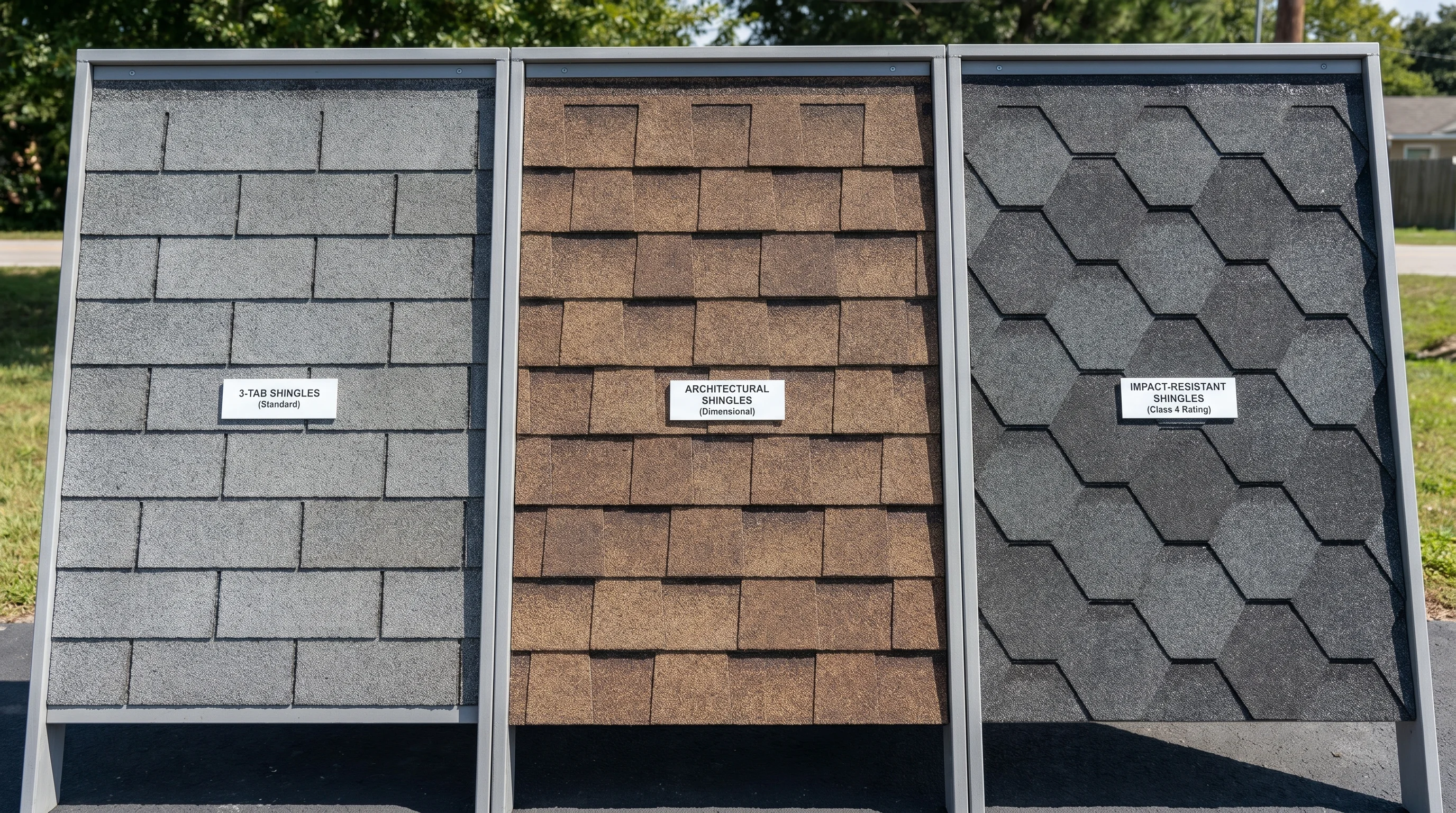
3-tab asphalt shingles: 15–20 years
Architectural (dimensional) shingles: 25–30 years
Impact-resistant Class 4 shingles: 30–40 years
These are real-world averages. Manufacturer warranties are longer but prorate after 10 years and require conditions that rarely hold for the full warranty period. Climate, ventilation, installation quality, and maintenance all shift the actual lifespan up or down by 20–30%.
Asphalt Shingle Lifespan by Type
| Shingle Type | Real-World Lifespan | Manufacturer Warranty | Typical Cost (installed) | Wind Rating |
|---|---|---|---|---|
| 3-Tab | 15–20 years | 20–25 years | $4–$5.50/sq ft | 60–70 mph |
| Architectural (Dimensional) | 25–30 years | 30 years (lifetime on premium) | $5.50–$7.50/sq ft | 110–130 mph |
| Impact-Resistant (Class 4) | 30–40 years | Lifetime (limited) | $7.50–$12/sq ft | 130+ mph |
3-Tab Shingles
The most basic and least expensive asphalt shingle. Three-tab shingles are flat, thin, and cut to look like three separate pieces per strip. They've been largely replaced by architectural shingles in new construction because of their shorter lifespan and lower wind resistance. If your home was built before 2000 and hasn't been re-roofed, there's a good chance it has 3-tab shingles approaching or past their useful life.
Architectural (Dimensional) Shingles
The current standard for residential roofing. Architectural shingles are thicker and heavier than 3-tab, with a laminated multi-layer construction that creates a dimensional, textured appearance. They handle wind, hail, and thermal cycling significantly better than 3-tab. Most new homes built after 2000 use architectural shingles, and they're the default replacement choice for re-roofing projects.
Impact-Resistant Class 4 Shingles
The highest-rated asphalt shingle category, tested to withstand a 2-inch steel ball dropped at 90 mph (UL 2218 Class 4). They cost 20–40% more than standard architectural shingles but often qualify for insurance discounts of 10–30% in hail-prone regions, which can offset the premium over time. Lifespan advantage is most pronounced in areas with frequent hail, high winds, or severe freeze-thaw cycling.
6 Factors That Shorten Asphalt Roof Lifespan
1. Poor Attic Ventilation
This is the single biggest factor under a homeowner's control. Without adequate intake (soffit vents) and exhaust (ridge or gable vents), heat builds up in the attic — often reaching 150–170°F on summer days. That sustained heat bakes the shingles from underneath, drying out the asphalt and accelerating granule loss. A poorly ventilated roof can lose 5–10 years of lifespan. Check that your attic has at least 1 sq ft of ventilation per 150 sq ft of attic floor space.
2. Harsh Climate
Extreme heat (desert SW), frequent freeze-thaw cycling (northern states), high winds (tornado alley, coastal areas), and heavy hail all accelerate shingle deterioration. In Phoenix, standard architectural shingles that would last 28 years in a moderate climate may last only 18–22 years due to sustained extreme heat. In northern states with 50+ freeze-thaw cycles per year, granule loss and shingle cracking accelerate significantly.
3. Poor Installation
Improper nailing (too few nails, wrong placement, over-driven), inadequate underlayment, missing flashing at penetrations and valleys, and incorrect shingle overlap all reduce lifespan and void warranties. A roof installed by an uncertified crew saving money on labor can fail 5–10 years earlier than one installed correctly. Always verify contractor credentials and check that installation follows manufacturer specifications.
4. Low Roof Pitch
Asphalt shingles are designed for roofs with a pitch of at least 2:12 (2 inches of rise per 12 inches of run). On low-slope roofs, water drains slowly, increasing the risk of moisture infiltration under shingles. Most manufacturers void warranties on installations below their minimum pitch requirements. Steep roofs also present challenges — high-pitch surfaces experience more direct sun exposure and wind uplift.
5. Deferred Maintenance
Clogged gutters allow water to back up under eaves and rot fascia boards and decking. Leaves and debris accumulating in valleys trap moisture and accelerate shingle breakdown. A single missing shingle left unrepaired for a season can allow water infiltration that rots the decking beneath — turning a $200 shingle repair into a $3,000 decking replacement. Annual inspections catch problems before they compound.
6. Dark Shingle Color in Hot Climates
Black and very dark shingles absorb significantly more solar heat than light gray, tan, or white shingles. In southern states and desert climates, the surface temperature difference between black and light-colored shingles can be 20–40°F on a summer day. That sustained additional heat load accelerates asphalt oxidation and granule adhesion loss. Lighter colors and cool-roof rated shingles (Energy Star) are worth considering in hot climates.
5 Factors That Extend Asphalt Roof Lifespan
- Proper attic ventilation (intake + exhaust balanced) — prevents heat buildup that degrades shingles from below
- Annual inspection and prompt minor repairs — catch cracked, curling, or missing shingles before water infiltrates
- Clean gutters every spring and fall — prevents water backup at eaves and fascia rot
- Remove overhanging tree branches — reduces debris accumulation, shading (moss growth), and physical damage risk
- Algae and moss treatment — apply zinc strips at ridge or use algae-resistant shingles to prevent biological growth that retains moisture
Climate Impact on Asphalt Roof Lifespan
| Region / Climate | 3-Tab Lifespan | Architectural Lifespan | Primary Threat |
|---|---|---|---|
| Pacific Northwest (mild, wet) | 18–22 years | 28–35 years | Moss, algae, moisture |
| Northeast (cold, freeze-thaw) | 15–20 years | 22–28 years | Ice dams, freeze-thaw cycling |
| Southeast (hot, humid) | 15–18 years | 22–27 years | Heat, algae, hurricane winds |
| Midwest (hail, temperature swings) | 14–18 years | 20–26 years | Hail impact, thermal cycling |
| Desert Southwest (extreme heat) | 13–17 years | 18–24 years | UV degradation, extreme heat |
| Moderate / Mid-Atlantic | 18–22 years | 26–32 years | Moderate wear across all factors |
Signs Your Asphalt Roof Is Near End of Life
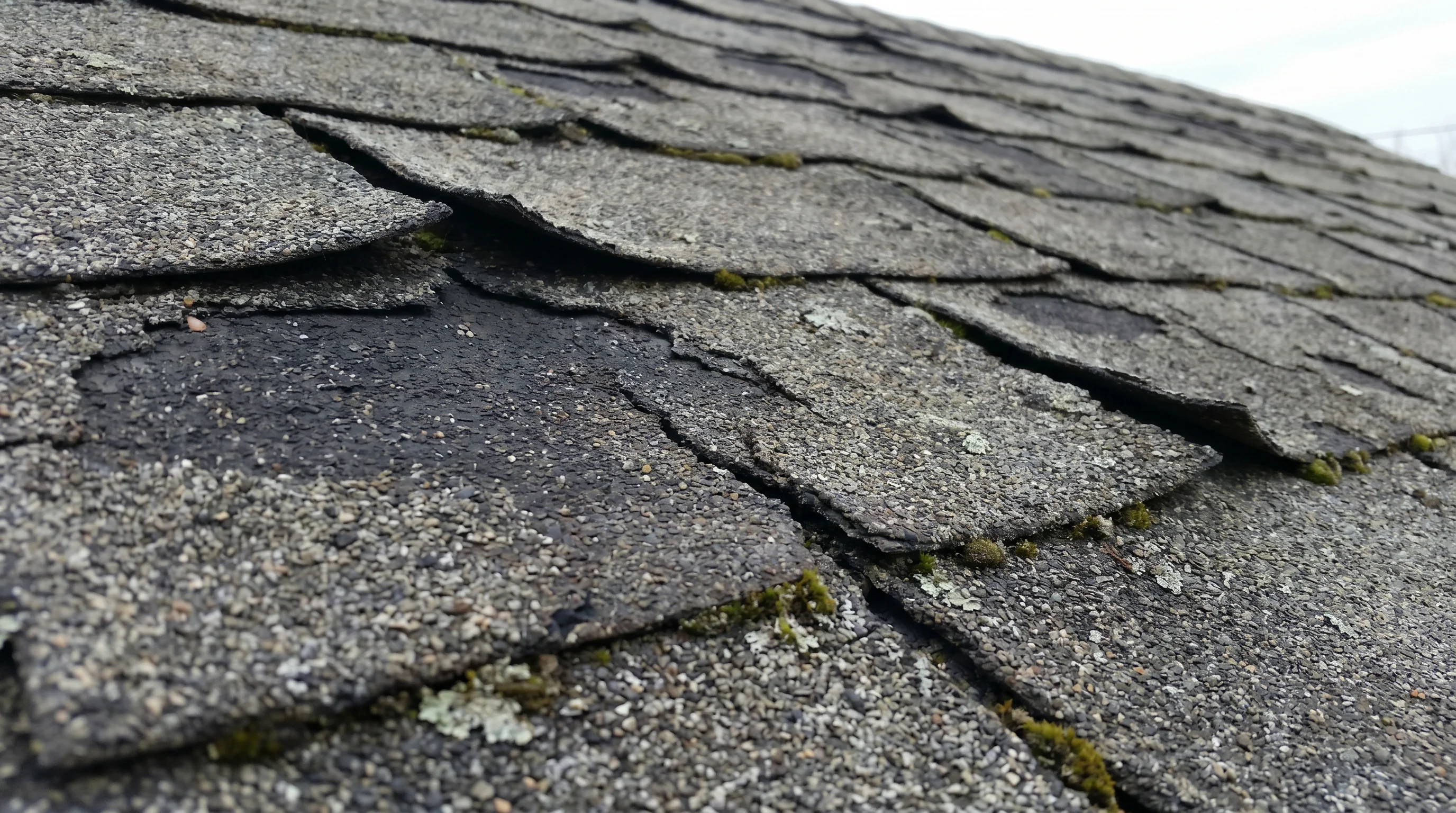
- Curling or cupping shingles — edges curl up (cupping) or center buckles upward (clawing)
- Widespread granule loss — bare black substrate visible on shingles; granules filling gutters
- Cracked or brittle shingles — shingles crack when touched or break off in pieces
- Missing shingles in multiple locations — not isolated wind damage but systemic failure
- Daylight visible from inside the attic — gaps in decking or around penetrations
- Active leaks or water stains on ceiling — water has already penetrated the system
- Sagging roof deck — decking rot from long-term moisture infiltration
- Moss or algae covering 30%+ of roof surface — retains moisture and accelerates breakdown
- Roof age exceeds expected lifespan — 20+ years for 3-tab, 25+ for architectural
Repair vs Replace — Decision Guide
| Situation | Recommendation | Why |
|---|---|---|
| Roof under 15 years old, isolated damage | Repair | Most of the roof's useful life remains; targeted fix is cost-effective |
| Roof 15–20 years old, damage under 25% of surface | Repair or partial replace | Inspect decking; if sound, repair may extend life 5–8 more years |
| Roof over 20 years (3-tab) or 25 years (architectural) | Replace | Approaching end of life; repairs on aging shingles fail quickly |
| Multiple active leaks | Replace | Systemic failure — water has likely damaged decking and underlayment |
| Damage covers 30%+ of roof | Replace | Repair cost approaches replacement; new roof includes warranty |
| Sagging deck or visible rot | Replace (full tear-off) | Structural issue — new shingles over compromised decking will fail |
| Repair cost > 30% of replacement value | Replace | Better ROI on a new roof with full warranty than patching old system |
- Inspect the roof from the ground every spring and fall — binoculars help
- Have a professional inspection after any severe hail or wind event
- Clean gutters twice a year — spring and late fall after leaves drop
- Trim overhanging branches to at least 6 feet from the roof surface
- Check attic ventilation — feel for excessive heat buildup on a summer afternoon
- Address any missing or damaged shingles within 30 days — don't let minor damage wait through a winter
- Apply zinc strips at the ridge to prevent algae and moss growth
Frequently Asked Questions
How long does an asphalt roof last?
3-tab asphalt shingles last 15–20 years. Architectural (dimensional) shingles last 25–30 years. Impact-resistant Class 4 shingles last 30–40 years. Actual lifespan varies significantly based on climate, attic ventilation, installation quality, and maintenance.
How do I know when my asphalt roof needs replacing?
Key signs include curling or cupping shingles, widespread granule loss visible in gutters or on the shingle surface, cracked or brittle shingles, multiple missing shingles, active leaks, sagging deck, and a roof age past its expected lifespan. Any combination of these signs warrants a professional inspection.
Does a 30-year shingle actually last 30 years?
Rarely. Most 30-year architectural shingles last 20–25 years under real-world conditions. The 30-year rating refers to the warranty period under ideal conditions — proper ventilation, certified installation, no severe weather events. Warranties also prorate steeply after the first 10 years, so the payout for a claim at year 20 is a fraction of replacement cost.
What shortens the life of an asphalt roof?
The biggest factors are poor attic ventilation (trapped heat bakes shingles from below), harsh climate (extreme heat, freeze-thaw, hail), poor installation, low roof pitch, deferred maintenance, and dark shingle colors in hot climates. Poor ventilation alone can reduce lifespan by 5–10 years.
Can you put new asphalt shingles over old ones?
Yes, if there's only one existing layer — most codes allow a second layer. It costs 20–30% less than full tear-off but shortens the new roof's lifespan by 20–30% and prevents inspection of the decking. Full tear-off is recommended for maximum lifespan and to check for hidden rot or structural damage.
How much does asphalt roof replacement cost?
Typically $5,000–$15,000 for an average 1,500–2,000 sq ft home, or $4–$8 per sq ft installed for architectural shingles. Impact-resistant shingles run $7.50–$12/sq ft installed. Cost varies by region, roof complexity, and whether tear-off is included.
Should I repair or replace my asphalt roof?
Repair if the roof is under 15 years old and damage is isolated to less than 25% of the surface. Replace if the roof is past its expected lifespan, damage covers more than 30% of the surface, multiple leaks have occurred, or the decking shows rot. If a repair costs more than 30% of full replacement value on an aging roof, replacement delivers better long-term value.