
Asphalt Recycling Near Me — How to Find a Facility & What They Accept (2026)
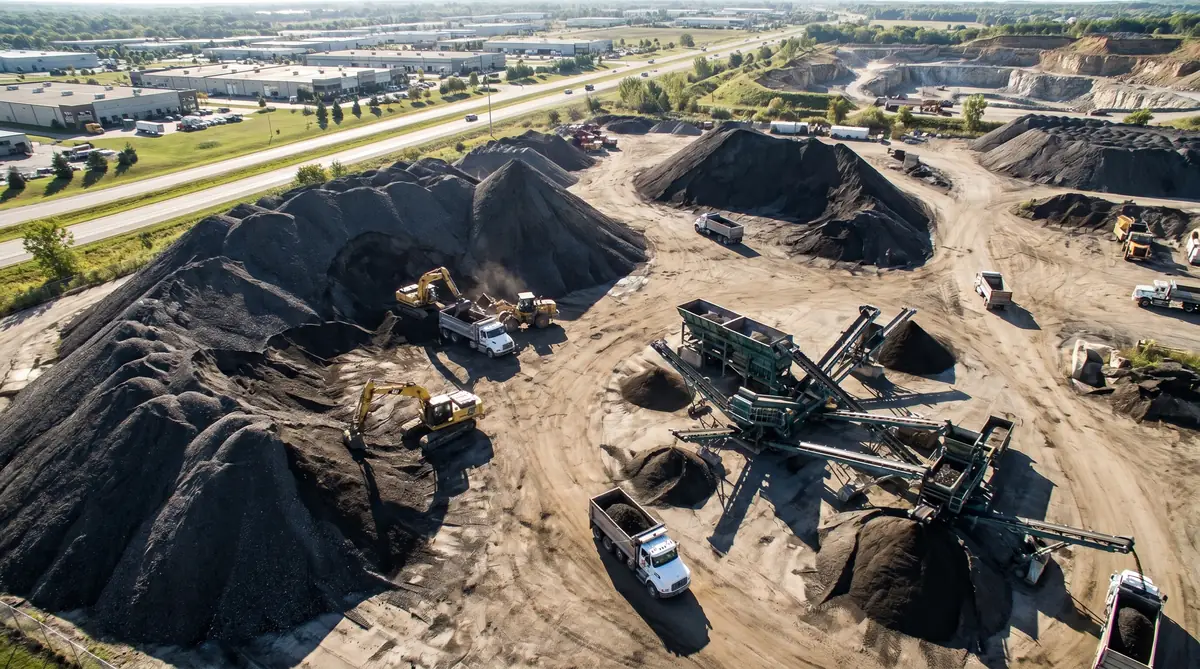
Old asphalt doesn't belong in a landfill — it's one of the most recycled materials in the United States, with over 99% of removed pavement reused each year according to the National Asphalt Pavement Association. The challenge is knowing where to take it, what each type of facility accepts, and whether you'll pay a tipping fee or drop it off for free.
Quick Answer
To recycle old asphalt, contact local paving contractors or asphalt mixing plants — most accept clean RAP (Reclaimed Asphalt Pavement) for free or even pay for large loads. C&D recycling facilities and county transfer stations also accept asphalt, usually for a tipping fee of $20–$60/ton. Use the state finder below to locate facilities in your area, then verify acceptance criteria before hauling.
How to Find an Asphalt Recycling Facility Near You
- Search Google Maps — Search "asphalt recycling" or "RAP recycling" + your city. Asphalt plants, paving contractor yards, and C&D recyclers will appear. Call before visiting to confirm they accept residential drop-offs.
- Call local paving contractors — Most paving companies that do tearouts have a yard or plant relationship where they haul RAP. Even if they don't take walk-in drop-offs, they can point you to who does.
- Contact your state DOT — State Departments of Transportation maintain lists of approved RAP suppliers and recyclers. Some states publish this online; others require a phone call to the materials division.
- Check county transfer stations — Many counties accept inert construction materials including asphalt at their transfer stations or C&D landfills. Tipping fees apply but it's a reliable option for small quantities.
♻️ Asphalt Recycling Facility Finder
What Is RAP (Reclaimed Asphalt Pavement)?
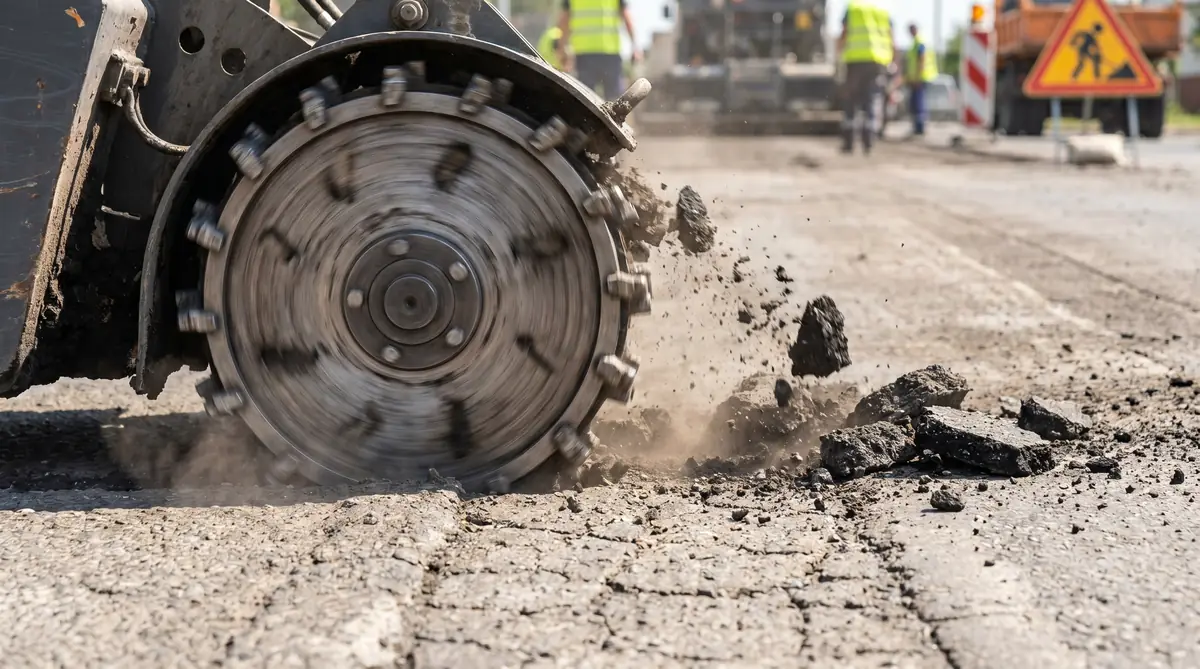
RAP stands for Reclaimed Asphalt Pavement — the material produced when existing asphalt is removed from a road, driveway, or parking lot. A milling machine grinds the surface into chunks or granules, which are then collected and transported for reuse. RAP contains both aggregate (stone) and residual asphalt binder, both of which have significant material value.
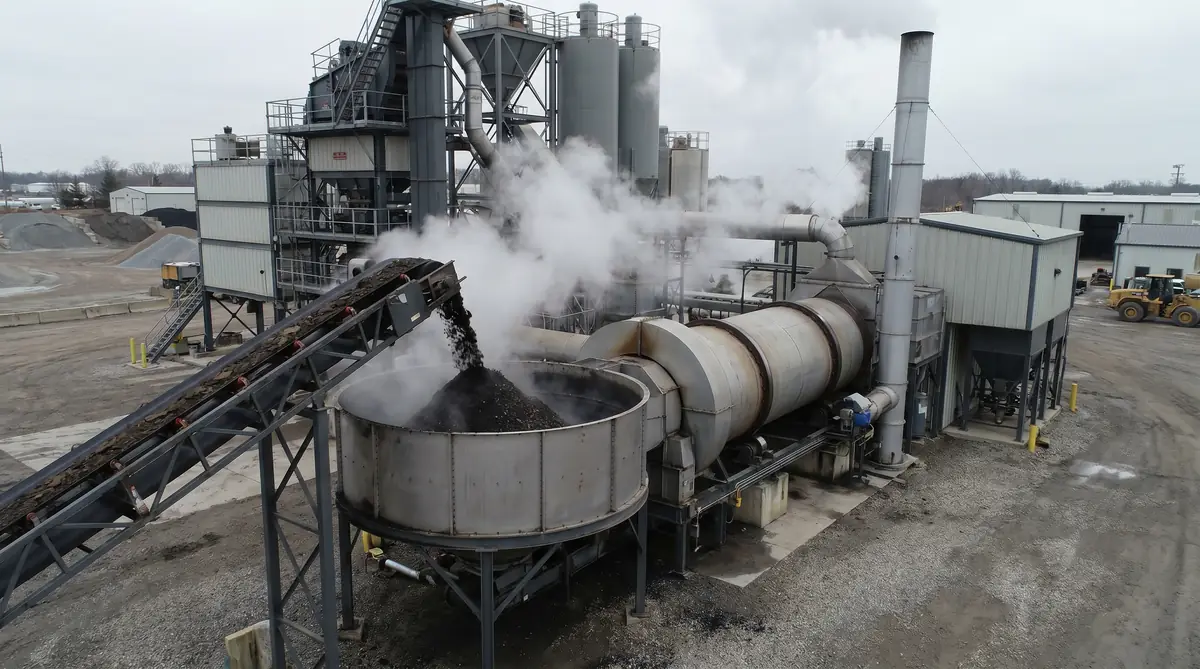
RAP is incorporated back into new hot mix asphalt at rates of 15–50% to reduce virgin material costs. See our Asphalt Mixing Plant guide for how plants blend RAP into new HMA. When RAP is crushed and screened but not remelted into new mix, it becomes asphalt millings — a popular low-cost driveway and road base material.
What Facilities Accept — and What They Reject
| Material Type | Accepted? | Notes |
|---|---|---|
| Clean asphalt chunks (full-depth removal) | ✅ Usually free | Most valuable RAP — plants prefer this |
| Asphalt millings (milled surface) | ✅ Usually free | Can be resold directly as driveway material |
| Mixed asphalt + concrete | ⚠️ Varies | Concrete contamination reduces RAP quality — call first |
| Asphalt with soil/vegetation | ❌ Often rejected | Dirt and organic material ruins the binder reclaim |
| Tar-based (coal tar) asphalt | ❌ Often rejected | Contains PAHs — may require special disposal |
| Asphalt shingles | ⚠️ Specialist only | Some plants accept RAS (Recycled Asphalt Shingles) separately |
Drop-Off Costs by Facility Type
| Facility Type | Typical Cost | Best For |
|---|---|---|
| Asphalt mixing plant | Free – may pay you | Large clean loads, contractor deliveries |
| Paving contractor yard | Free (often) | Clean RAP chunks or millings |
| C&D recycling facility | $20–$50/ton | Mixed or small residential loads |
| County transfer station | $30–$60/ton | Small quantities, no other option |
| General C&D landfill | $40–$80/ton | Last resort — avoid if possible |
What Happens to Recycled Asphalt
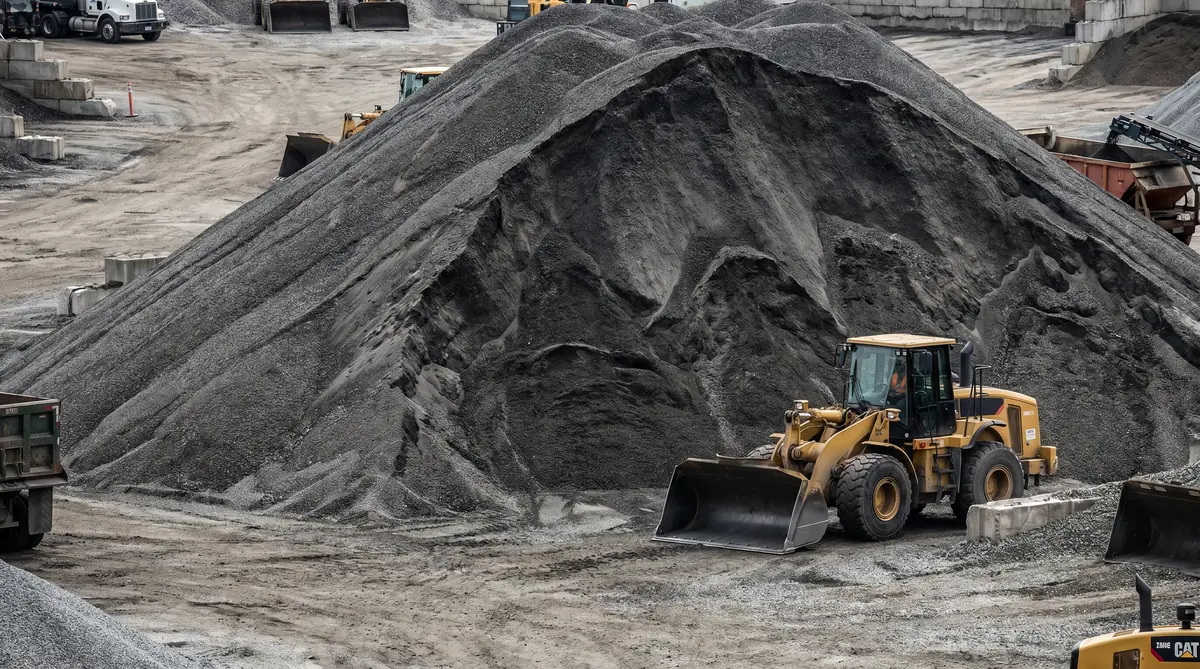
Once collected, RAP takes one of three paths:
- Blended into new HMA: Mixed with virgin aggregate and fresh binder at an asphalt plant. Federal Highway Administration guidelines allow up to 50% RAP in surface mixes. This saves $15–$30 per ton compared to 100% virgin mix.
- Crushed into millings: Processed into granular material and sold as a low-cost driveway surface or road base. At $10–$25/ton, millings driveways are one of the cheapest paved surface options. See our Asphalt Millings Cost Guide for current pricing.
- Used as road base: Crushed RAP is an excellent sub-base material — stable, self-binding, and free-draining. Many municipalities use it for gravel road improvements and shoulder work.
What Contractors Do With Your Old Asphalt
When a paving contractor removes your driveway or parking lot, the removed asphalt should go to a recycling facility — not a dump. Ask your contractor directly: "Where does the removed asphalt go?" A reputable answer is a specific plant or yard name. Vague answers like "we dispose of it" are a flag worth probing.
DIY Options for Homeowners With Small Amounts
If you've removed a small section of driveway yourself and have a modest pile of asphalt chunks, here are your practical options:
- Call a local paving contractor — Many will take a pickup truck load for free, especially if you haul it to their yard. It has material value to them.
- Reuse on site as base material — Crushed asphalt chunks can be spread as a temporary road base, garden path, or fill material on your own property.
- Rent a dumpster (C&D only) — A dedicated construction dumpster for inert materials typically costs $250–$400 and can include asphalt. Confirm upfront — most standard dumpsters prohibit asphalt.
- Use our Recycled Asphalt Calculator — If you're reusing millings on your own property for a driveway, this tool estimates quantities and coverage.
Environmental & Cost Benefits of Asphalt Recycling
Asphalt is the most recycled material in the U.S. by volume. The benefits compound at scale:
- Cost savings: Replacing 30% of virgin aggregate with RAP saves contractors $15–$30/ton on HMA — savings that can (and should) flow through to project bids.
- Reduced landfill waste: A typical road resurfacing produces hundreds of tons of RAP. Recycling it avoids the equivalent volume of quarried stone and landfill space.
- Lower energy use: RAP requires less heating energy in the plant because the existing binder is partially pre-softened. Warm-mix asphalt (WMA) with RAP further reduces energy consumption.
- Same performance: Properly formulated RAP mixes meet the same structural performance specifications as virgin HMA — FHWA and state DOTs use it on interstate highways.
Frequently Asked Questions
Where can I recycle old asphalt near me?
Best options: local paving contractors (call and ask if they accept drop-offs), asphalt mixing plants, and C&D recycling facilities. Use the state finder above or search Google Maps for "asphalt recycling" + your city. County transfer stations are a fallback for small quantities.
Is asphalt recycling free?
Often yes — clean RAP has material value. Asphalt plants and contractor yards frequently accept it for free, and some pay for large clean loads. C&D facilities charge $20–$60/ton; county transfer stations run $30–$60/ton. The cleaner and more separated your load, the more likely free acceptance.
What is RAP?
Reclaimed Asphalt Pavement — old asphalt removed by a milling machine or full-depth excavation. It contains aggregate and residual binder that can be blended back into new HMA at 15–50% ratios, or crushed into millings for use as driveway surfacing or road base material.
Can I throw old asphalt in a dumpster?
Most dumpster companies prohibit asphalt in standard roll-off dumpsters due to its weight and classification as inert construction debris. You need a dedicated C&D dumpster — confirm acceptance and weight limits before loading. Violations result in surcharges or rejected pickups.
What do contractors do with old asphalt after removal?
Reputable contractors haul RAP to a plant or licensed recycling yard. Ask your contractor specifically where the material goes — a vague answer warrants follow-up. Watch for inflated "disposal fees" on jobs where the contractor is actually profiting from the RAP they remove.