
Asphalt Millings Cost in 2026 — Price Per Ton, Free Sources & Installation Guide
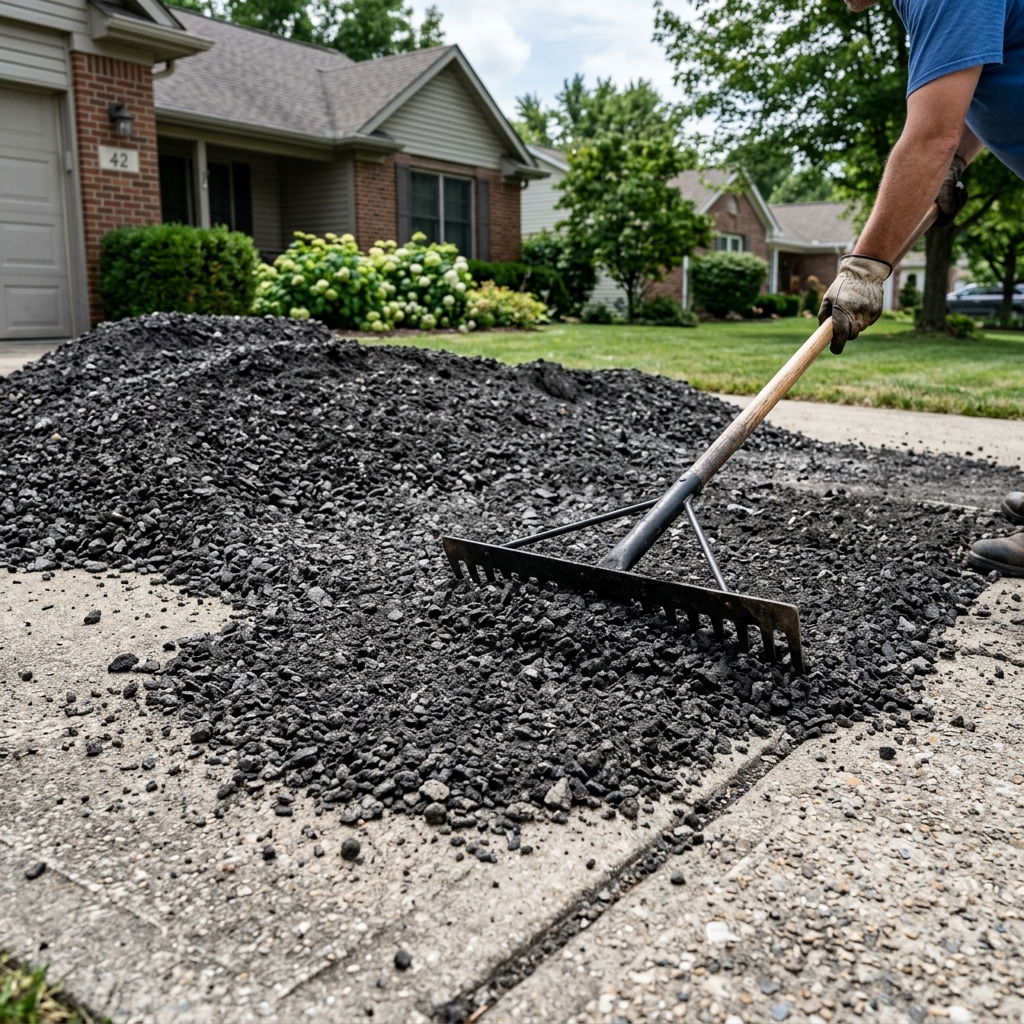
Asphalt millings cost $10–$40 per ton in 2026 — and can sometimes be obtained for free. Also called recycled asphalt pavement (RAP), millings are the byproduct of road milling operations and make an excellent, budget-friendly driveway surface at $0.25–$0.80/sqft in materials alone. Use our free asphalt milling calculator to estimate how many tons you need and total project cost.
Asphalt Millings Price Per Ton (2026)
Pricing varies significantly based on source, quantity, and whether delivery is included:
| Source | Price Per Ton | Notes |
|---|---|---|
| 🆓 Free (self-haul) | $0 | From contractors or DOT projects — see section below |
| Paving contractor (pickup) | $10–$25 | Best source — call local pavers directly |
| Quarry / aggregate supplier | $15–$35 | Consistent quality, reliable supply |
| Delivered to site | $25–$55 | National average including trucking |
| Bagged (home improvement store) | $80–$120 | For small patches only — not cost-effective for driveways |
Asphalt Millings Cost Per Square Foot Installed
Installed cost includes material delivery and compaction labor. DIY installation (buying material only) cuts cost by 40–60%:
| Thickness | Material Cost/Sqft | Installed Cost/Sqft | 600 Sqft Installed |
|---|---|---|---|
| 2 inches | $0.15–$0.40 | $0.40–$0.80 | $240–$480 |
| 3 inches (standard) | $0.23–$0.60 | $0.60–$1.20 | $360–$720 |
| 4 inches (heavy use) | $0.30–$0.80 | $0.80–$1.60 | $480–$960 |
Compare this to new asphalt at $4–$7/sqft installed — millings deliver a serviceable driveway surface at 80–90% less cost.
🆓 How to Get Free Asphalt Millings — 4 Proven Methods
- Call local paving contractors. After a road milling job, contractors have truckloads of RAP. Many will give it away or charge a nominal fee to avoid disposal costs. Search "paving contractor [your city]" and call 5–10 companies.
- Contact your county/state DOT. Road resurfacing projects generate massive amounts of millings. Contact the project supervisor directly — they often allow free pickup for small quantities during active projects.
- Search Facebook Marketplace & Craigslist. Search "free asphalt millings", "free RAP", or "free blacktop millings". Update your search weekly as listings come and go with active road projects.
- Call local asphalt plants in off-peak season. Plants accumulate overrun stockpiles in fall and winter. Call in October–February and ask if they're offering free or low-cost RAP pickup.
Caveat: Free millings require self-hauling (pickup truck or dump trailer). Quality varies — check that material is mostly asphalt, not contaminated with concrete or soil. Free RAP won't be graded or screened, so larger chunks may need breaking up before spreading.
Millings vs. New Asphalt vs. Gravel
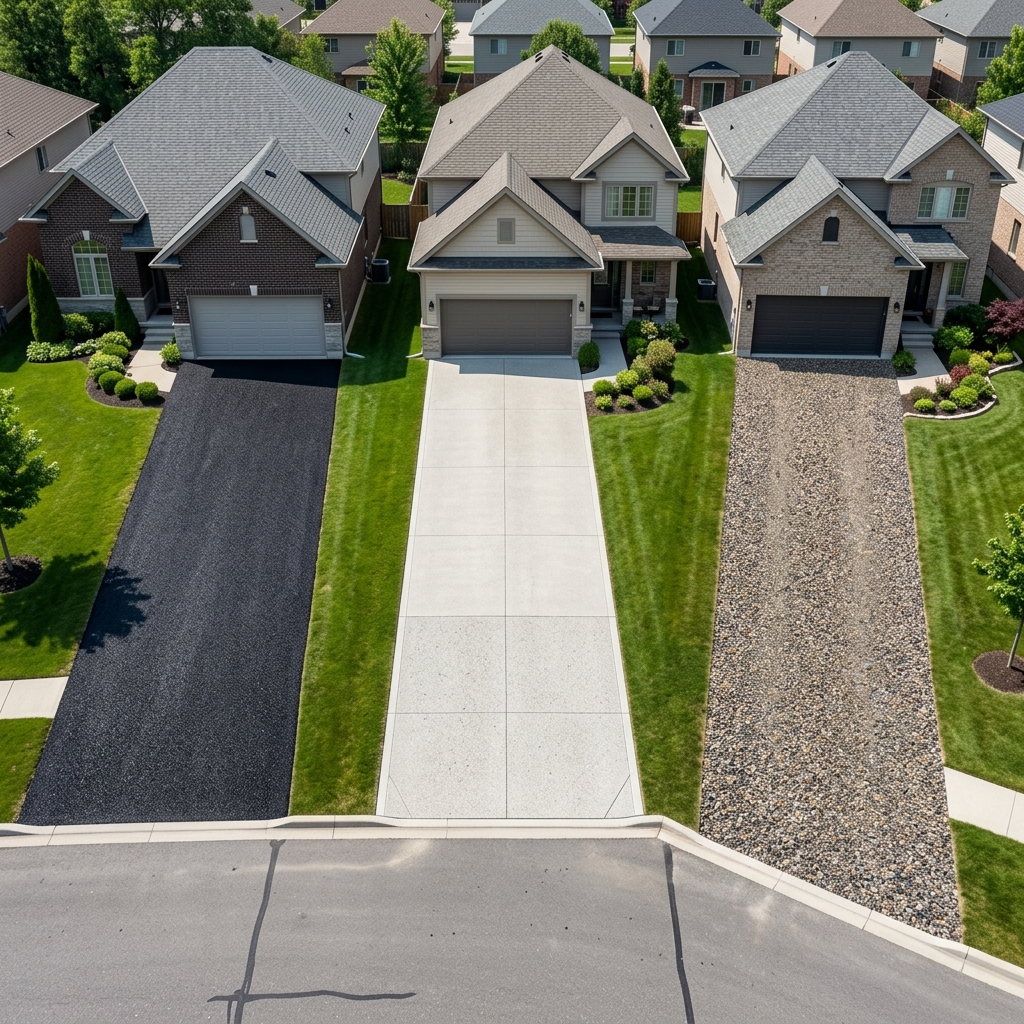
| Material | Cost/Sqft Installed | Lifespan | Appearance | Maintenance |
|---|---|---|---|---|
| Asphalt Millings | $0.50–$1.50 | 7–15 years | Dark gray, rough | Low — re-compact if needed |
| New Asphalt (HMA) | $4–$7 | 15–20 years | Jet black, smooth | Seal every 3–5 yrs |
| Gravel | $0.75–$2.00 | 5–10 years | Natural stone | Re-gravel every few yrs |
Millings occupy the sweet spot between cheap-but-annoying gravel and expensive-but-durable new asphalt. For rural properties, farm lanes, or homeowners who want a solid driveway on a tight budget, they're an excellent choice.
How Much Asphalt Millings Do You Need?
RAP density is approximately 140 lbs/ft³ (slightly less than new HMA at 145 lbs/ft³). Use this formula: Area (sqft) × Thickness (in) × 0.00578 × 1.10 (with 10% waste). Or use our asphalt milling calculator for instant results:
| Driveway Size | Area | 3" Depth | 4" Depth |
|---|---|---|---|
| Standard single car (12×20) | 240 sqft | 4.6 tons | 6.1 tons |
| Double car (20×20) | 400 sqft | 7.6 tons | 10.2 tons |
| Large double (20×30) | 600 sqft | 11.4 tons | 15.3 tons |
| Extra large (24×40) | 960 sqft | 18.3 tons | 24.4 tons |
All figures include 10% waste factor. Formula: Area × Thickness × 0.00578 × 1.10.
DIY Installation Guide — 6 Steps
-
Excavate 4–6 inches Remove existing grass, soil, or old surfacing. Depth depends on your thickness target — include sub-base clearance.
-
Grade to 2% slope Grade away from structures (house, garage) to ensure proper drainage. A 2% slope = 1/4 inch drop per foot of run.
-
Compact the subgrade Use a plate compactor or roller on the bare soil before any millings go down. A firm, stable base is what prevents rutting.
-
Spread millings 3–4 inches deep Dump and spread evenly with a rake or skid steer. Work in sections for large areas. Break up any large clumps before spreading.
-
Compact thoroughly — multiple passes This is the critical step. Make 3–4 passes with a plate compactor or drum roller. Millings must be compressed tightly to activate the residual binder and create a stable surface.
-
Water lightly after compaction A light misting helps activate the residual bitumen and aids final bonding. Don't saturate — just enough to dampen the surface. Avoid heavy traffic for 24–48 hours.
Do Asphalt Millings Get Hard?
Yes — and this is the key advantage millings have over plain gravel. The residual bitumen left in recycled asphalt re-activates under summer heat and vehicle traffic. After one full summer season with proper initial compaction, a millings surface becomes nearly as firm as new asphalt — it won't shift like gravel and won't create ruts under normal vehicle weight.
Two tips for best hardening results: (1) Install edging boards, plastic landscape edging, or concrete curbing along the sides to contain the material while it binds — edges will crumble without containment. (2) Avoid parking heavy equipment or RVs on the surface during the first summer while bonding is occurring.
Once your millings driveway has hardened after its first summer, you can optionally apply a light coat of asphalt emulsion sealer to extend its life. See our asphalt sealer guide for product recommendations.
Looking for more than just pricing? Read our complete asphalt millings guide covering what millings are, the milling process, all use cases, and full installation steps.
Frequently Asked Questions
How much do asphalt millings cost per ton?
Asphalt millings cost $10–$25/ton picked up from a paving contractor, $15–$35/ton from a quarry or aggregate supplier, and $25–$55/ton delivered. The national average for delivered millings is $20–$30/ton. Free millings are available through paving contractors with surplus RAP — you'll need to self-haul with a pickup or dump trailer.
How do I find free asphalt millings?
Four reliable methods: (1) Call local paving contractors — many give away RAP to avoid disposal fees after road milling jobs. (2) Contact your county/state DOT for active road resurfacing projects. (3) Search Facebook Marketplace and Craigslist for "free asphalt millings" or "free RAP". (4) Call local asphalt plants in fall/winter — off-peak overruns are sometimes available free or cheap. Bring your own truck and be prepared for variable quality.
How thick should asphalt millings be for a driveway?
Install millings at 3–4 inches compacted depth for a residential driveway. The 2-inch minimum works for very light use, but 3 inches is the functional standard for regular passenger vehicles. For driveways handling heavy trucks, RVs, or frequent delivery vehicles, use 4 inches. Always compact with a plate compactor or drum roller — hand-tamping is insufficient for proper bonding.
Do asphalt millings harden over time?
Yes. The residual bitumen in RAP re-activates with summer heat and traffic, creating a firm, asphalt-like surface after one season of proper compaction and use. The hardening process is faster in hot climates (deep South, Southwest) and slower in northern states. Install edging to contain edges during the first summer while bonding is in progress. Avoid heavy equipment on the surface during initial curing.
How many tons of asphalt millings do I need?
Use the RAP tonnage formula: Area (sqft) × Thickness (inches) × 0.00578 × 1.10 (10% waste). RAP density is 140 lbs/ft³ — slightly less than new HMA. Example: 400 sqft at 3 inches = 400 × 3 × 0.00578 × 1.10 = 7.63 tons. Or skip the math and use our asphalt milling calculator.
Are asphalt millings as good as new asphalt?
They're a solid, cost-effective alternative — not an equal replacement. Pros: 80–90% cheaper than new asphalt, environmentally sustainable (recycled material), firms up well over one season, good drainage when compacted properly. Cons: Can track black residue in extreme heat (above 95°F), shorter lifespan (7–15 vs 15–20 years), may need re-compaction after the first winter, and doesn't have the clean black finish of new HMA. Best for rural driveways, farm lanes, and budget-conscious homeowners.