
How to Cut Asphalt: Saws, Blades, Depth and a Safe Step-by-Step Method
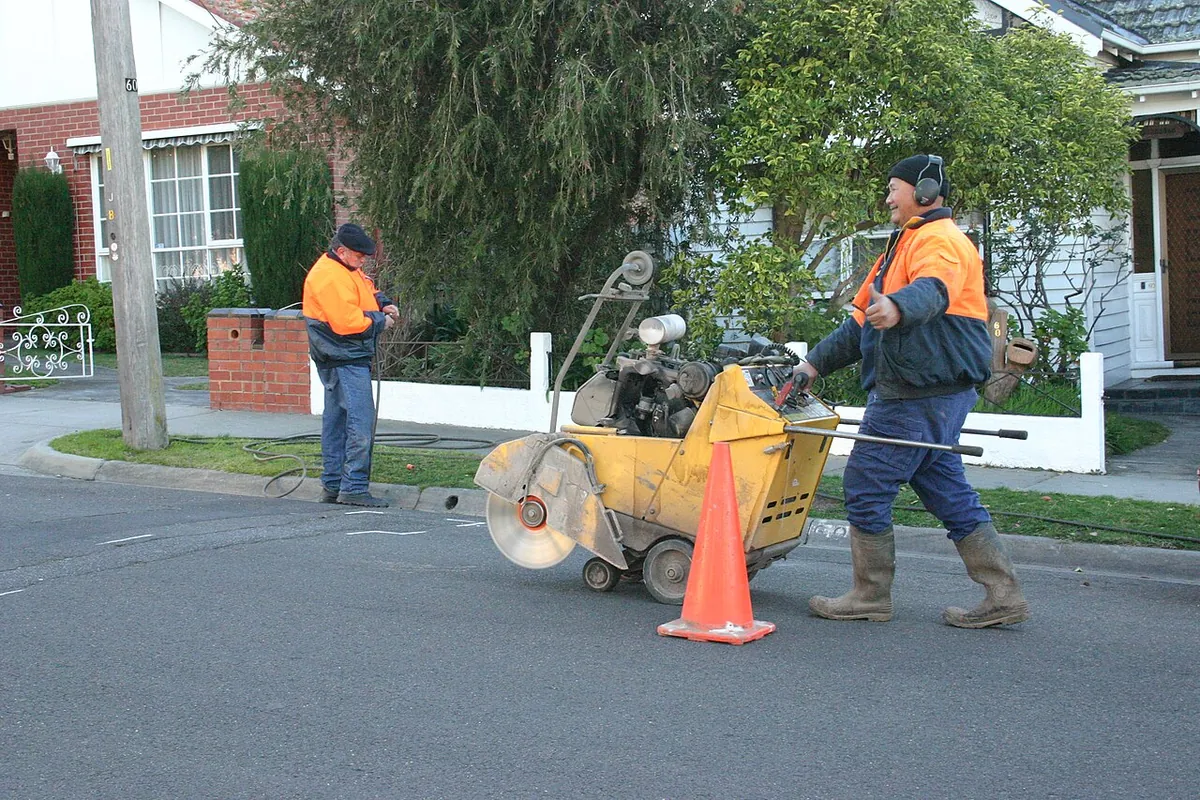
Photo: Josh Parris, Wikimedia Commons, public domain
Quick Answer
To cut asphalt, use a saw with a diamond blade rated for asphalt. For short cuts and small patches, an angle grinder or handheld cut-off saw works; for long, straight, full-depth cuts, rent a walk-behind (flat) saw. Call 811 first to mark buried utilities, snap a chalk line, set the blade to cut the full asphalt thickness (often 2 to 3 inches on a driveway) in one or two passes, and keep water on the blade to control dust and heat. Then pry or break out the section with a pry bar or breaker and take the pieces to an asphalt recycler.
You might need to cut asphalt for many reasons: cutting out a damaged area for a patch, trimming a driveway to fit a new walkway, opening a trench for a drain or utility line, cutting a clean edge where new asphalt will meet old, or removing part of a driveway. In every case, a clean saw cut makes the job easier and the result better than breaking the asphalt with a pick or jackhammer alone. Straight, vertical edges give a patch something solid to bond against and stop the old pavement from cracking back from a ragged edge.
This guide explains how to cut asphalt step by step: which saw and blade to use, how deep to cut, how to control dust, how to remove the cut section, what it costs to rent equipment or hire the job out, and the safety steps that matter most. It is written for homeowners and small contractors cutting driveways, walkways and small lots; road work and large commercial cutting use the same principles with larger equipment.
Why Saw-Cut Asphalt Instead of Breaking It?
Asphalt is flexible compared with concrete, and if you just hit it with a breaker, the cracks run in random directions and the edge left behind is weak. A saw cut separates the section you are removing from the asphalt you are keeping along a clean, straight line. That matters because:
- Patches bond better to straight, vertical edges than to crumbly, sloped ones.
- The old asphalt stays intact; cracks do not spread from the work area.
- Joints look neat where new paving meets old.
- Removal is easier because the section is already separated.
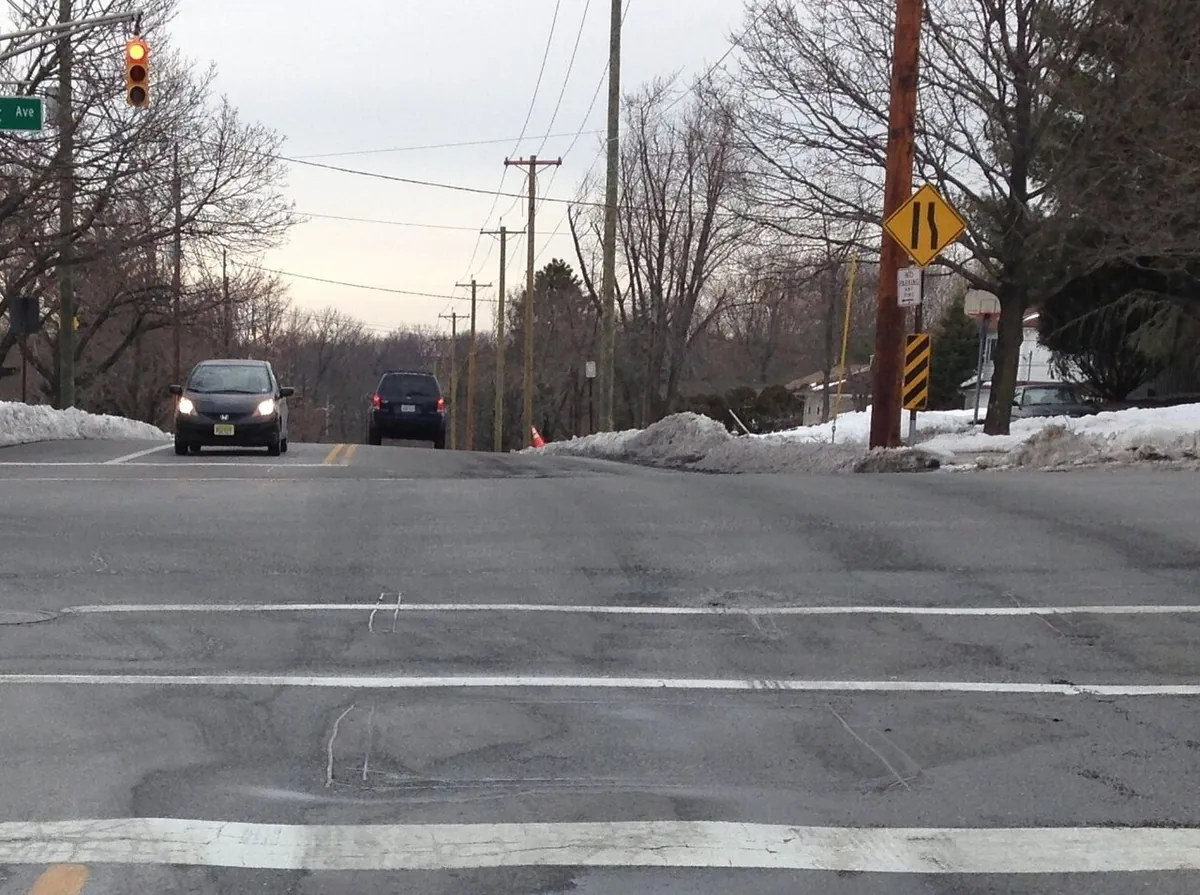
Photo: Z22, Wikimedia Commons, CC BY-SA 3.0
Tools for Cutting Asphalt
Angle grinder with a diamond blade
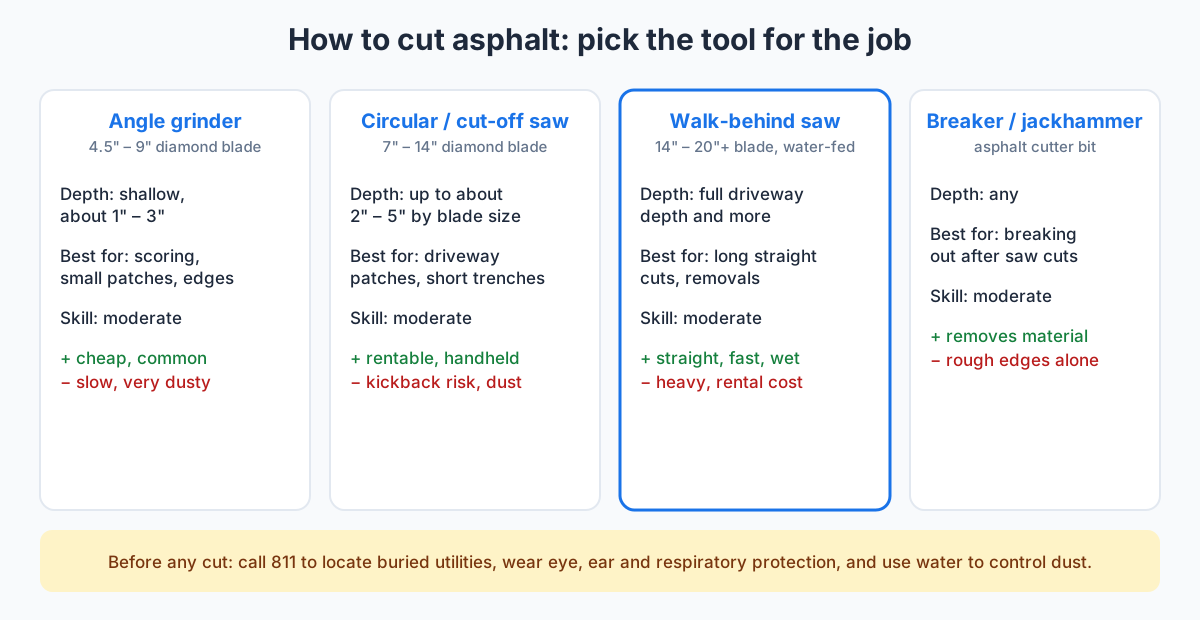
A 4.5 to 9 inch angle grinder with a diamond blade can score and cut thin asphalt and is handy for small patches and tight corners. It is slow on long cuts and makes a lot of dust, so it is best for short work. Larger 7 to 9 inch grinders cut deeper than small ones.
Circular saw or handheld cut-off saw
A standard 7-1/4 inch circular saw with a diamond blade cuts roughly 2 inches deep, which is enough to score a driveway or cut thin asphalt. A gas or electric handheld cut-off saw (often called a "chop saw" or "concrete saw") with a 12 to 14 inch blade cuts deeper, roughly 4 to 5 inches, and is the most common rental tool for cutting asphalt driveway patches. Many have a water attachment for wet cutting.
Walk-behind (flat) saw
For long, straight cuts or full-depth cuts on thicker pavement, a walk-behind saw is the right tool. It rolls on wheels, holds a large blade (often 14 to 20 inches or more), feeds water to the blade and keeps the cut straight and at a constant depth. It is heavier and costs more to rent, but on a long cut it is faster, straighter and less tiring than a handheld saw.
Breaker or jackhammer
An electric breaker or jackhammer fitted with an asphalt cutter (a wide spade bit) is used to break out asphalt after it has been saw-cut, or to cut through asphalt in rough work where a clean edge does not matter. For removing a section you have already saw-cut, a pry bar and shovel are often enough on thin driveway asphalt.
| Tool | Typical cut depth | Best use |
|---|---|---|
| Angle grinder (4.5" – 9") | About 1" – 3" | Scoring, small patches, corners |
| Circular saw (7-1/4") | About 2" | Thin asphalt, scoring a driveway |
| Cut-off saw (12" – 14") | About 4" – 5" | Driveway patches, short trenches |
| Walk-behind saw (14" – 20"+) | About 5" – 7"+ | Long straight cuts, full depth |
| Breaker / jackhammer | Any | Breaking out after cutting |
Choosing a Blade for Cutting Asphalt
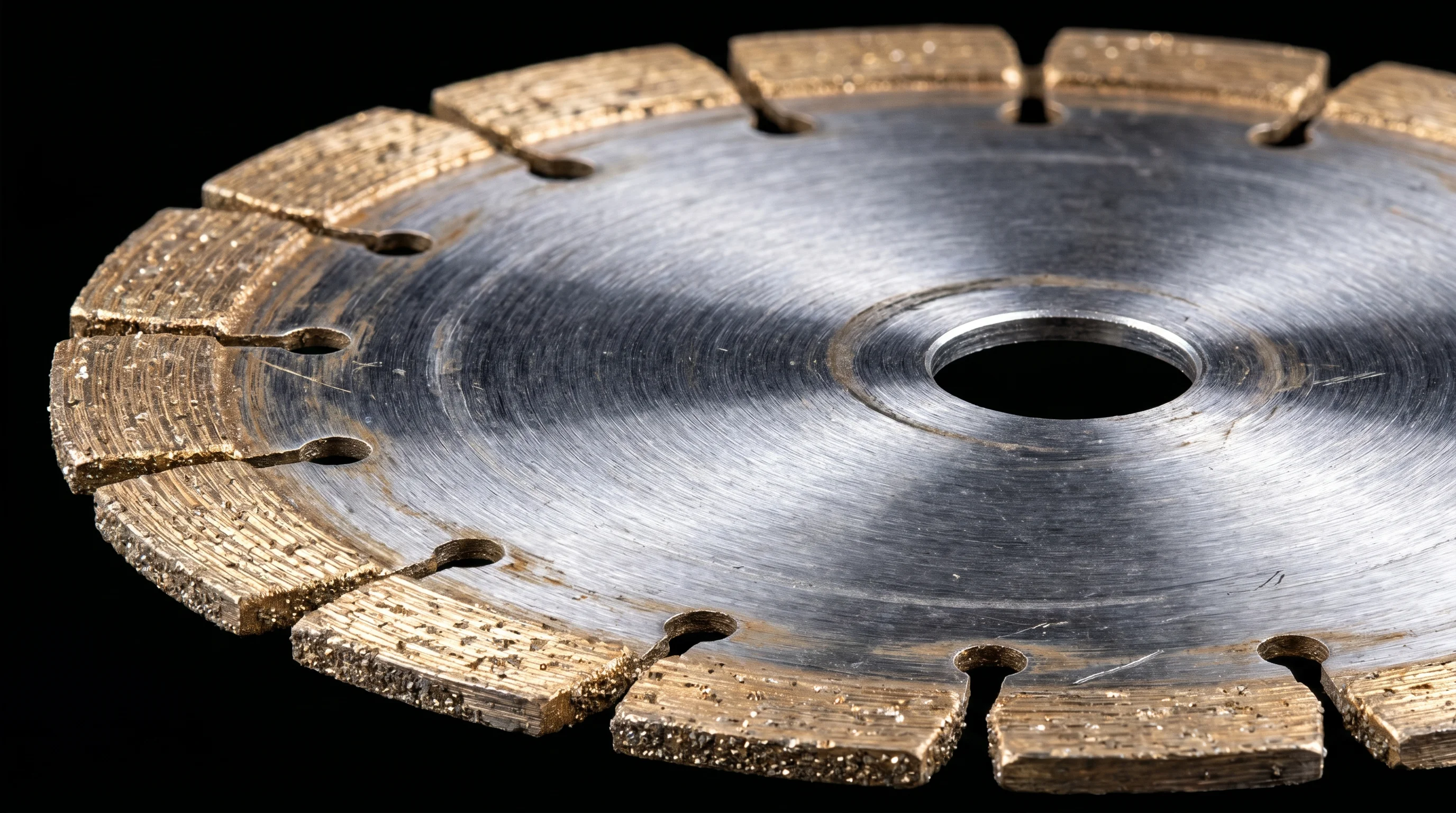
When cutting asphalt, the blade matters as much as the saw. Asphalt is soft but very abrasive, because the binder holds sharp sand and stone that grind away at the blade. That changes what kind of blade you want:
- Use a diamond blade rated for asphalt (often labeled "asphalt" or "asphalt and green concrete"). These use a harder metal bond that holds the diamonds longer in abrasive material.
- Look for undercut protection. Asphalt blades often have extra segments or a protected core near the arbor, because abrasive slurry can wear through the steel core under the segments.
- Avoid blades made only for hard, cured concrete. Their softer bond wears out quickly in asphalt.
- Abrasive (non-diamond) blades can cut asphalt but wear down fast and lose diameter; diamond blades are more efficient for anything beyond a few feet.
- Match the blade size and arbor to your saw, and never exceed the blade's rated speed.
How Deep Should You Cut Asphalt?
When you cut asphalt for removal or patching, cut through the full thickness of the asphalt. A cut that stops partway leaves a ragged bottom edge when you break the section out. Residential driveways are usually about 2 to 3 inches of asphalt; parking lots and roads are thicker. Check the thickness at an exposed edge or by drilling a small test hole.
Deep cuts are best made in passes: a first pass of about an inch or two to establish a straight line, then one or more deeper passes. This is easier on the saw and the blade, keeps the cut straighter, and reduces the chance of binding or kickback. If you only need a joint line, for example to make a neat edge for sealing, a shallower score cut is enough.
How to Cut Asphalt Step by Step
- 1
Call 811 and check for hazards
Call 811 (the U.S. call-before-you-dig number) a few days before work so buried gas, electric, water and communication lines are marked. Note sprinkler lines, drains and cables that may run under the driveway.
- 2
Mark the cut lines
Snap a chalk line or use marking paint and a straightedge. For a patch, mark a square or rectangle a few inches outside the damage into sound asphalt.
- 3
Gear up
Safety glasses or a face shield, hearing protection, a respirator rated for silica dust, gloves, long pants and sturdy boots.
- 4
Set up water
Connect the saw's water feed or have a helper keep a hose on the blade. Water controls dust, cools the blade and helps it cut.
- 5
Make a shallow first pass
Set the blade to about an inch, line it up on the mark and cut slowly along the whole line to establish a straight groove.
- 6
Deepen the cut
Lower the blade and repeat until you are through the full asphalt thickness. Let the saw do the work; do not force or twist it in the cut.
- 7
Finish corners
Round blades cannot cut square inside corners; finish them with a grinder or by overcutting slightly where it will be patched anyway.
- 8
Break out and remove
Pry up the cut section with a bar, or break it into pieces with a breaker, and shovel it out. Clean the edges for patching or new paving.
How to Cut Asphalt With a Circular Saw
For a small job you may already own the tool. To cut asphalt with a circular saw, fit a diamond blade rated for asphalt or general masonry, set the depth to the maximum, and cut slowly in several passes. Use a straightedge clamped or held in place as a guide, keep a light mist of water on the cut if the saw is rated for wet use (a cordless or worm-drive saw is not; never use water with a corded saw that is not designed for it), or cut dry with a dust-collecting shroud and a good respirator. Because a 7-1/4 inch saw only cuts about 2 inches deep, use it to score the asphalt, then finish by breaking the section out with a breaker or pry bar. It is a practical way of cutting asphalt for small patches and thin driveway edges.
How to Cut Asphalt With an Angle Grinder
An angle grinder is the most accessible tool for cutting asphalt in tight spots. Use a diamond blade sized for the grinder, both hands on the tool, and the guard in place. Make several shallow passes rather than one deep plunge, and keep the blade straight in the cut to avoid binding. A grinder is ideal for squaring the corners of a patch after a larger saw has made the long cuts, for cutting around posts and drains, and for scoring asphalt next to a building where a larger saw will not fit.
Wet vs Dry Cutting and Dust Control
Asphalt contains crushed stone and sand, and cutting asphalt releases fine dust that can include respirable crystalline silica. Breathing that dust over time can cause serious lung disease. OSHA's silica standard for construction lists controls for saws and grinders, mainly water delivered to the blade or a vacuum dust collection system, plus respiratory protection in many cases.
- Wet cutting is the most effective way to control dust and also cools the blade and extends its life.
- Dry cutting should use a saw with a dust shroud and vacuum, plus a respirator.
- Keep bystanders, children and pets well away from the cutting area.
- Clean up slurry so it does not wash into storm drains.
Safety When Cutting Asphalt
- Read the saw's manual; rental shops can show you how to use it.
- Wear eye, ear and respiratory protection, gloves and sturdy boots.
- Keep the blade guard in place.
- Use gas saws outdoors only, away from open windows and doors, because of carbon monoxide.
- Keep cords and hoses out of the blade path.
- Let the blade stop fully before lifting the saw out of the cut.
Cost to Cut Asphalt
When you cut asphalt yourself, the cost is mainly the tool rental and the blade. Rental shops rent handheld cut-off saws and walk-behind saws by the half day or day, and many sell or rent diamond blades by wear. For a small driveway patch, a half-day rental of a handheld saw is often enough; for long removals, a walk-behind saw for a day is more efficient. Prices vary by region and shop, so call your local rental center for current rates.
Hiring a professional saw-cutting company makes sense for long cuts, thick pavement, commercial lots or work near utilities. They usually price by the linear foot and depth, often with a minimum charge. Paving contractors also include saw cutting in patch and replacement quotes; see asphalt repair cost for patching prices and the asphalt repair cost calculator.
Worked Example: Cutting Asphalt for a Driveway Patch
Here is how to cut asphalt for a typical driveway repair: a broken area about 3 feet by 4 feet near the garage, in a driveway with about 2.5 inches of asphalt.
- Plan the cut. Mark a rectangle 4 by 5 feet, extending 6 inches into solid asphalt on every side. That is 18 linear feet of saw cut.
- Choose the tool. A rented 14-inch handheld cut-off saw with an asphalt diamond blade cuts deep enough to get through 2.5 inches in two passes.
- First pass. Cut about 1 inch deep along all four sides to set straight grooves, with water on the blade.
- Second pass. Cut to full depth, about 2.5 to 3 inches, until the blade is through the asphalt into the base.
- Corners. Finish the inside corners with an angle grinder so the section releases cleanly.
- Remove. Pry up the section in pieces with a long bar; on thin driveway asphalt this usually takes a few minutes.
- Prepare. Check and compact the base, tack the vertical edges and patch.
Cutting asphalt for a patch like this usually takes an experienced person well under an hour once the saw is set up; a first-timer should allow a couple of hours including setup and cleanup.
Cutting Asphalt Next to Concrete, Walls or Curbs
When you cut an asphalt driveway beside a concrete garage slab, sidewalk, curb or house wall, take extra care. Keep the blade a little away from the concrete so you do not cut into it, and finish the last bit with a grinder or by breaking it carefully. Watch for expansion joint material between asphalt and concrete. Near walls, a large saw may not fit; cut asphalt as close as the saw allows, then finish with a grinder. Protect windows, siding and parked cars from slurry and flying debris with plywood or plastic sheeting.
Cutting Asphalt in Different Seasons
Temperature changes how asphalt cuts. In hot summer weather, the binder softens and can gum up the blade and smear the edges, so cutting asphalt early in the morning gives cleaner results. In cold weather, asphalt is harder and more brittle; cuts go slower and edges can chip. Mild spring and fall days are ideal. Avoid cutting asphalt on frozen ground if you plan to patch right away, because patching materials need warm, dry conditions to bond and compact.
Renting vs Buying a Saw for Cutting Asphalt
For most homeowners, renting is the right choice. A handheld cut-off saw or walk-behind saw is expensive to buy, needs maintenance, and is used only occasionally. Rental shops supply the saw, often the blade (charged by wear), and a quick safety briefing. Buying makes sense only if you cut asphalt or concrete regularly. An angle grinder with a diamond blade is the exception: it is inexpensive, useful for many jobs, and handles small amounts of cutting asphalt around the house.
How Long Does It Take to Cut Asphalt?
Cutting speed depends on the saw, the blade, the asphalt thickness and the aggregate. As a rough guide, a walk-behind saw moves steadily along a straight line and can cut a long run in a short time, while a handheld saw is slower and more tiring on long cuts. Grinders are the slowest. Add time for setup, water, marking, corners and cleanup. For planning, assume a small patch is a half-day job for a homeowner including the rental pickup, and a long removal is a full day.
Common Reasons to Cut Asphalt
Cutting out a damaged area for a patch
Mark a square around the damage into sound asphalt, cut full depth, remove the section, fix the base and patch with hot mix or cold patch. Our how to fix a pothole guide covers the patching steps.
Cutting a trench
For a drain, conduit or utility line, cut two parallel lines the width of the trench, remove the strip, dig the trench, lay the line, backfill in compacted layers and patch the surface.
Cutting a clean edge where new paving meets old
When extending a driveway or joining new asphalt to old, cut the old edge straight and vertical so the new asphalt butts against a clean face. Paving contractors often add a tack coat to the cut face.
Removing part of a driveway
To make room for a walkway, garden bed or concrete pad, cut the outline, then break out and remove the asphalt inside it.
What to Do With Cut Asphalt
After cutting asphalt, the pieces are valuable to recyclers. Many asphalt plants and recycling yards accept broken asphalt, often for a lower fee than landfill disposal, and turn it into recycled asphalt for new paving and millings. Keep it free of dirt, wood and trash. See asphalt disposal near me and asphalt recycling near me for options.
How to Cut Asphalt Around Drains, Posts and Utility Covers
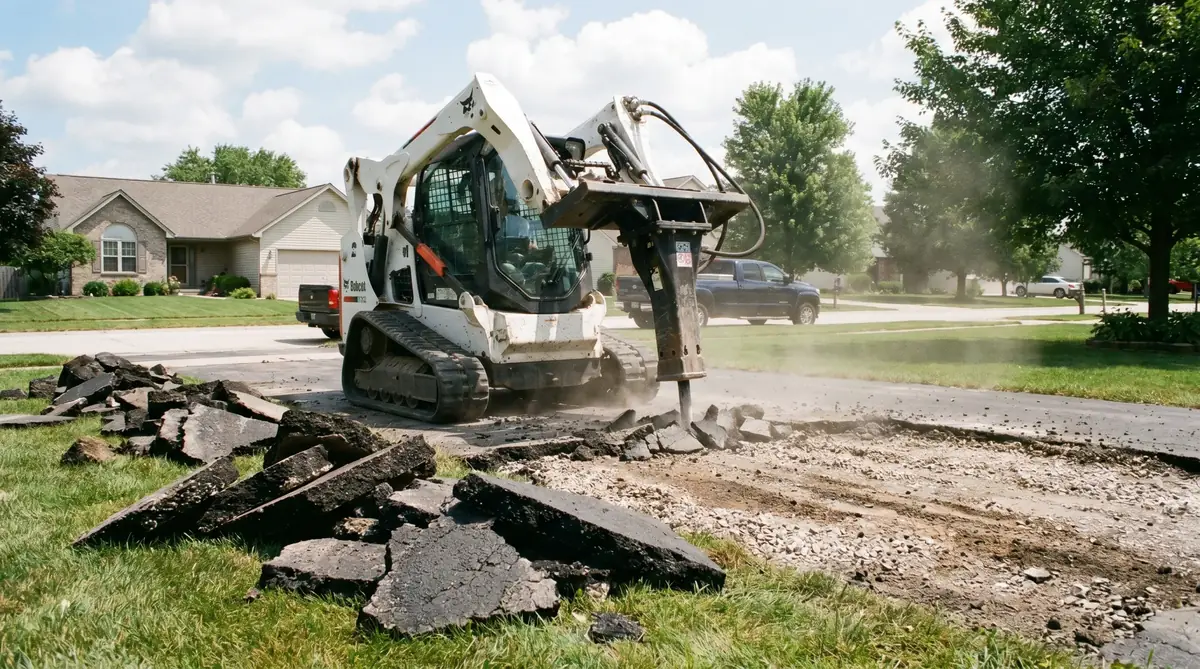
Round obstacles in the pavement call for a slightly different approach. To cut asphalt around a drain grate, manhole cover, bollard or sign post, mark a square or octagon around it rather than a circle, and cut straight segments with a handheld saw or grinder. Straight segments are easier to cut cleanly and easier to patch. Keep the blade off the metal frame of drains and covers, which will damage a diamond blade. If a utility cover or valve box sits in the area, contact the owner (often the water or gas utility) before cutting asphalt near it, as some covers must be adjusted by the utility. On parking lots, saw cut asphalt around catch basins is a common repair, because the pavement next to the frame often cracks and sinks.
Hiring Out Asphalt Cutting
Professional asphalt cutting is worth it when the cut is long, the pavement is thick, utilities run close by, or you need a perfectly straight cut for a visible joint. Saw-cutting companies bring walk-behind saws with large blades, water trucks or tanks, and the experience to cut asphalt quickly and cleanly. They typically quote by the linear foot at a given depth, with a minimum charge per visit. Paving contractors who are already patching or repaving usually include the saw cut asphalt work in their price. Ask whether the quote includes breaking out and hauling away the cut asphalt, or only the cutting.
- Call 811 before you cut asphalt or dig.
- Use a diamond blade made for cutting asphalt.
- Mark straight lines; cut asphalt a few inches into sound pavement.
- Cut through the full asphalt depth in two or more passes.
- Keep water on the blade to control dust while cutting asphalt.
- Wear eye, ear and lung protection.
- Recycle the asphalt you cut out.
How Do You Cut Asphalt Without a Saw?
If you have no saw, you can still cut asphalt for rough work. A breaker or rented jackhammer with an asphalt cutter bit can chop along a line, and for thin driveway edges a heavy mattock or a sharp spade driven with a sledgehammer can break asphalt along a scored line. The edges will be rougher than a saw cut asphalt edge, so this is fine for removal but not ideal where a patch must bond. If you need a clean edge, score it first with a grinder, then break along the score. That is how to cut asphalt cheaply when a saw is not available.
Common Mistakes When Cutting Asphalt
- Skipping 811. Even shallow cuts can reach shallow cables or lines.
- Wrong blade. A hard-concrete blade wears out quickly in abrasive asphalt.
- Cutting too deep in one pass. It strains the saw and raises the risk of kickback.
- Dry cutting without dust control. Silica dust is a real health risk.
- Cutting too close to the damage. Patches last longer when cut back into sound asphalt.
- Breaking without cutting. Leaves weak, ragged edges that crack later.
Frequently Asked Questions
What is the best tool to cut asphalt?
A saw with a diamond blade rated for asphalt: a grinder or handheld cut-off saw for short cuts, and a walk-behind saw for long, straight, full-depth cuts.
Can you cut asphalt with a circular saw?
Yes, with a diamond blade. A 7-1/4 inch saw cuts about 2 inches deep, so it is best for scoring or thin asphalt.
What blade do you use to cut asphalt?
A diamond blade made for asphalt or asphalt and green concrete, ideally with undercut protection.
How deep should you cut asphalt?
Through the full asphalt thickness, usually 2 to 3 inches on driveways and more on lots and roads, in two or more passes.
Can you cut asphalt with a reciprocating saw?
Not well. Reciprocating saws are not designed for asphalt and the blades wear out almost immediately. Use a diamond-blade saw instead.
Do you need to call 811 before cutting asphalt?
Yes. Call a few days before any cutting or digging so buried utilities are marked.
Sources
- OSHA, Respirable Crystalline Silica standard for construction (29 CFR 1926.1153), Table 1 controls for saws and grinders. osha.gov
- Common Ground Alliance, 811 "Call Before You Dig". call811.com
- Image credits: hero photo by Josh Parris (public domain) and saw-cut road photo by Z22 (CC BY-SA 3.0), both via Wikimedia Commons. Tool diagram and other images by Asphapro.com.
Cut depths are typical for the blade sizes listed; check your saw's manual for exact figures.
Related Guides
- How to remove concrete — breaking concrete slabs
- How to cut concrete — saws, blades and dust safety