
Stone Matrix Asphalt — What It Is, How It Works & Where It's Used (2026)
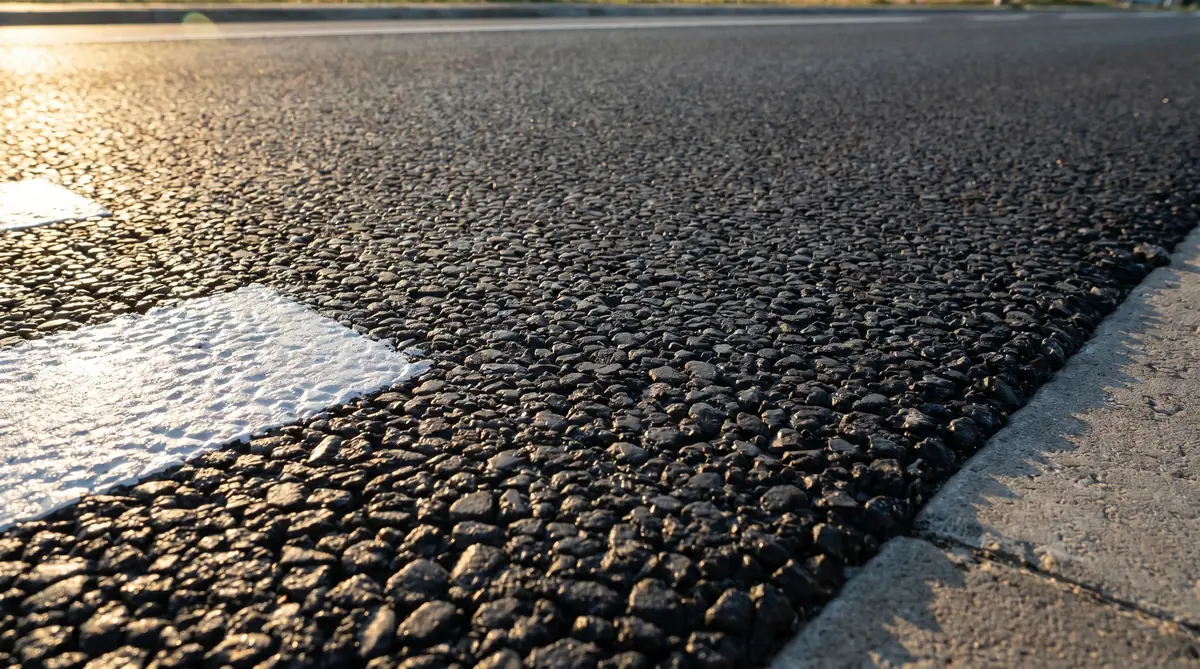
Most asphalt you drive on is dense-graded hot mix — a blend of aggregate floating in a bitumen binder matrix. It works well. But on high-traffic highways, heavily loaded intersections, and airport taxiways, it ruts. The binder softens under heat and load, and the surface deforms. Stone matrix asphalt was engineered specifically to solve that problem.
SMA is now standard on major highways across Europe, North America, and Asia — but most people in the paving industry outside of highway-level work have never had to spec it. This guide explains exactly what it is, why it performs differently, and when it makes sense to use it.
What Is Stone Matrix Asphalt?
Stone matrix asphalt (SMA) is a premium hot mix asphalt with a coarse stone-on-stone skeleton that carries traffic loads directly through aggregate contact. High-bitumen mastic fills the gaps between stones. Developed in Germany in the 1960s, SMA outperforms standard HMA in rutting resistance, surface longevity, and wet-weather grip — at a 20–40% higher material cost.
SMA vs Standard Dense-Graded HMA
The fundamental difference is how the mix carries load. In standard HMA, bitumen binder does most of the work — aggregate particles are dispersed through the binder and don't necessarily touch each other. In SMA, coarse aggregate particles are sized and graded so they lock together, creating a rigid stone skeleton. The binder only fills the voids.
| Property | Standard Dense-Graded HMA | Stone Matrix Asphalt (SMA) |
|---|---|---|
| Load transfer mechanism | Primarily through bitumen binder | Stone-to-stone aggregate contact |
| Coarse aggregate content | 50–60% by weight | 70–80% by weight |
| Bitumen content | 4.5–5.5% | 6.0–7.0% |
| Fiber additive | Not required | Cellulose or polymer fibers (0.3–0.5%) |
| Air voids | 3–5% | 3–4% |
| Rutting resistance | Moderate | High |
| Noise reduction | Standard | 2–4 dB quieter |
| Service life | 10–15 years | 15–25 years |
| Material cost premium | Baseline | +20–40% |
How SMA Works — The Stone Skeleton
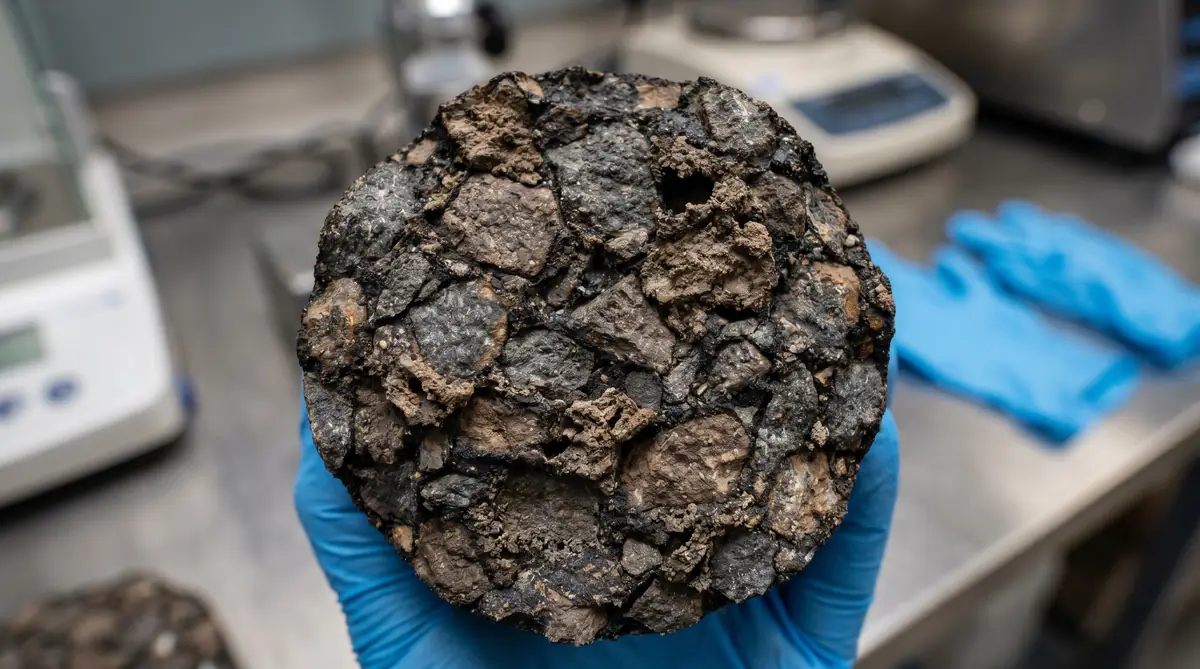
SMA's performance comes from its aggregate gradation. The mix is intentionally "gap-graded" — a high proportion of large coarse aggregate (typically 9.5mm–19mm) with very little mid-size material. This creates a skeleton where stones interlock and bear loads directly.
Key Components
| Component | Role | Typical Specification |
|---|---|---|
| Coarse aggregate | Forms the load-bearing stone skeleton | Angular crushed granite or limestone, 70–80% by weight |
| Fine aggregate / filler | Fills micro-voids in the mastic | Mineral filler (limestone dust), 8–12% |
| Bitumen binder | Bonds aggregate, fills skeleton voids | Modified bitumen (PG 76-22 or similar), 6–7% |
| Cellulose fibers | Prevents binder drain-down during transport | 0.3–0.5% by total mix weight |
| Polymer modifier | Improves binder elasticity and temperature range | SBS or SBR polymers (optional but common) |
Where SMA Is Used
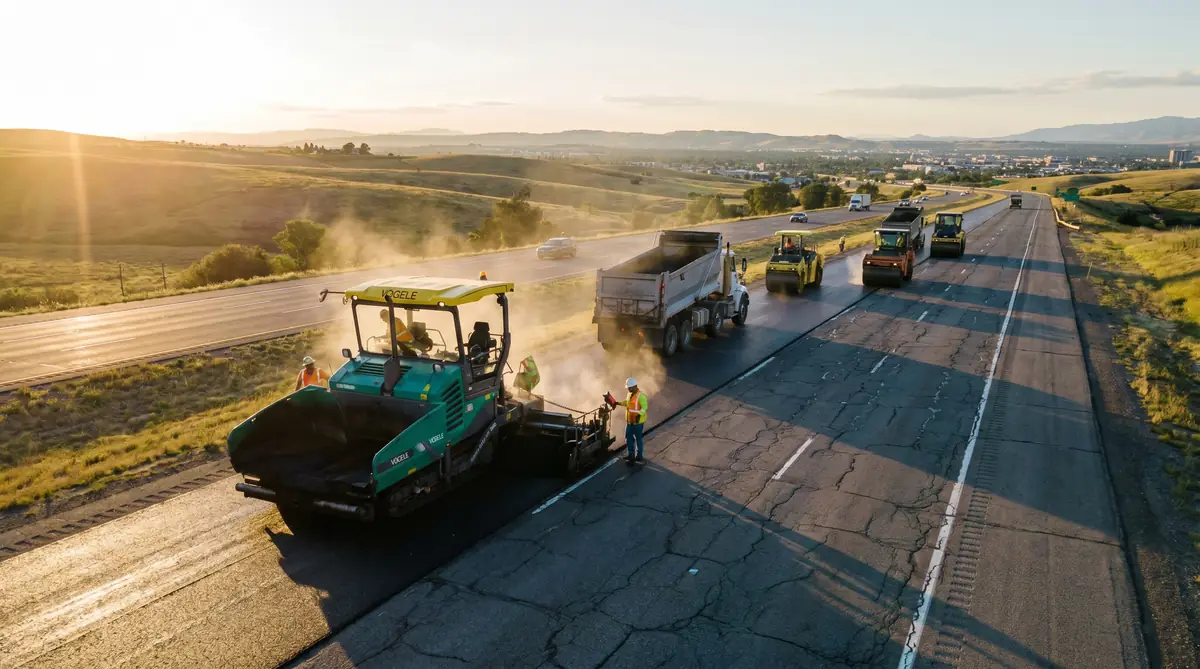
SMA is a specification choice driven by traffic loading and performance requirements — not a product you buy off the shelf. It is specified by highway engineers and DOTs for applications where standard HMA would deform or wear prematurely.
| Application | Why SMA Is Specified | Typical SMA Thickness |
|---|---|---|
| Interstate highways (surface course) | High truck volumes, rutting risk under sustained load | 1.5–2.5 inches |
| Urban arterials with heavy trucks | Repeated stop-start loading at intersections | 1.5–2 inches |
| Signalized intersections | Thermal loading + braking stress causes rutting in HMA | 1.5–2 inches |
| Airport taxiways & aprons | Extreme point loads from aircraft landing gear | 2–3 inches |
| Bus rapid transit lanes | Channelized heavy loads on narrow lane widths | 2 inches |
| Bridge deck overlays | Thin, durable surface needed over structural deck | 1–1.5 inches |
SMA Performance vs Other Asphalt Types
| Performance Factor | SMA | Dense-Graded HMA | Open-Graded Friction Course | Chip Seal |
|---|---|---|---|---|
| Rutting resistance | Excellent | Good | Moderate | Poor |
| Fatigue cracking resistance | Excellent | Good | Moderate | Fair |
| Wet-weather skid resistance | Excellent | Good | Excellent | Good |
| Noise reduction | Good (2–4 dB) | Baseline | Excellent (4–8 dB) | Moderate |
| Durability / service life | 15–25 years | 10–15 years | 8–12 years | 5–10 years |
| Material cost | High | Medium | Medium-High | Low |
| Maintenance requirements | Low | Medium | Medium-High | High |
SMA Cost vs Standard HMA
SMA commands a significant price premium over standard hot mix asphalt — driven by higher aggregate quality requirements, increased bitumen content, fiber additives, and the need for polymer-modified binder.
| Cost Item | Standard HMA | Stone Matrix Asphalt |
|---|---|---|
| Material cost at plant | $60–$90/ton | $80–$130/ton |
| Installed cost (surface course) | $2–$5/sq ft | $4–$9/sq ft |
| Premium over HMA | — | +20–40% |
| Expected service life | 10–15 years | 15–25 years |
| Maintenance cycles | Every 5–7 years | Every 8–12 years |
For high-traffic infrastructure, the lifecycle cost math often favors SMA despite the upfront premium. A highway resurfaced with SMA every 20 years costs less per year of service than one resurfaced with standard HMA every 12 years — especially when lane closure costs and traffic disruption are factored in.
Use the Hot Mix Asphalt Calculator to estimate tonnage requirements for your project, then apply the SMA premium to get a material cost estimate.
Aggregate Requirements
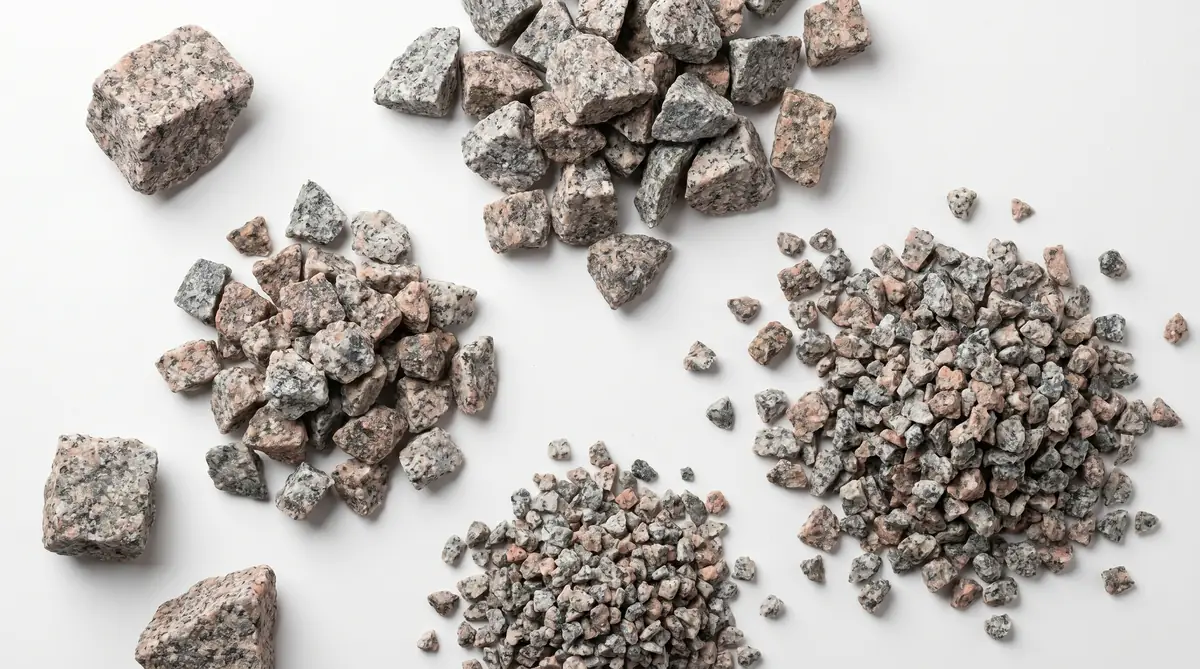
Aggregate quality is critical in SMA — far more so than in standard HMA. Because the stone skeleton carries load directly, aggregate angularity, hardness, and resistance to polishing must meet strict specifications.
- Angularity: 100% crushed faces required — rounded river gravel is not acceptable
- Los Angeles Abrasion value: typically ≤ 25–30 (harder than standard HMA specs)
- Polish Stone Value (PSV): ≥ 50 for highways, ≥ 55 for high-stress areas
- Flakiness Index: ≤ 25 — elongated particles reduce skeleton integrity
- Soundness: high freeze-thaw and sulfate resistance required
Granite, basalt, and hard limestone are the most common SMA aggregate sources. Softer aggregates like sandstone or shale are not suitable.
Pros & Cons of Stone Matrix Asphalt
| Pros | Cons |
|---|---|
| Superior rutting resistance under heavy loads | 20–40% higher material cost than standard HMA |
| Longer service life (15–25 years) | Requires specialized plant equipment and QC |
| Reduced maintenance frequency | Strict aggregate quality requirements |
| Better wet-weather skid resistance | Not suitable for thin overlays below 1.5 inches |
| 2–4 dB road noise reduction | Fiber additives add complexity to mix design |
| Excellent fatigue cracking resistance | Overkill for low-volume roads and driveways |
SMA Mix Design & Production
SMA mix design follows the Marshall or Superpave method with modifications for the gap-graded aggregate structure. Key production requirements:
- Plant type: Both drum mix and batch plants can produce SMA, but batch plants offer finer gradation control
- Fiber addition: Cellulose fibers are added at the plant — either pre-blended with aggregate or injected via a dedicated fiber system
- Mixing temperature: Typically 300–340°F (150–170°C), slightly higher than standard HMA to ensure full binder coating
- Drain-down test: AASHTO T305 drain-down test required during mix design to confirm fibers adequately stabilize binder
- Compaction: Steel drum rollers preferred — vibratory compaction must be carefully controlled to avoid aggregate fracture
For a detailed look at plant types and capabilities, see the Asphalt Mixing Plant Guide. For current hot mix pricing at the plant, see Hot Mix Asphalt Price Per Ton (2026).
Frequently Asked Questions
What is stone matrix asphalt (SMA)?
Stone matrix asphalt is a premium hot mix asphalt with a coarse stone-on-stone skeleton that carries traffic loads through aggregate contact rather than through the binder. Developed in Germany in the 1960s, it uses 70–80% coarse aggregate, 6–7% bitumen, and cellulose fibers to prevent binder drain-down. It's standard on high-traffic highways, airports, and heavy-load intersections.
How is SMA different from regular asphalt?
Standard dense-graded HMA relies on the bitumen binder to carry loads — aggregate floats in a binder matrix. SMA reverses this: large coarse aggregates lock stone-to-stone and carry the load, while bitumen fills the gaps. SMA uses more coarse aggregate, more binder, and cellulose fibers — delivering higher rutting resistance, longer life, and better noise reduction at a 20–40% cost premium.
Where is stone matrix asphalt used?
SMA is specified for interstate highways, urban arterials with heavy truck traffic, airport taxiways and aprons, bus rapid transit lanes, signalized intersections, and bridge deck overlays. It is not used for residential driveways or low-volume roads — the cost premium is only justified where rutting resistance and long service life are critical.
How much does stone matrix asphalt cost?
SMA costs $80–$130 per ton at the plant vs $60–$90/ton for standard HMA — a 20–40% premium. Installed surface course costs run $4–$9 per square foot. The higher upfront cost is typically offset by a service life of 15–25 years vs 10–15 for standard HMA and reduced maintenance frequency.
What are cellulose fibers used for in SMA?
Cellulose fibers (0.3–0.5% by weight) are added to SMA to prevent binder drain-down during transport and placement. SMA uses more bitumen than standard HMA, and without fibers the excess binder would pool at the bottom of the truck. Fibers stabilize the mastic, holding it in place until compaction locks the mix together.