
What Is a Wading Pool? Depth, Types, Costs and Safety
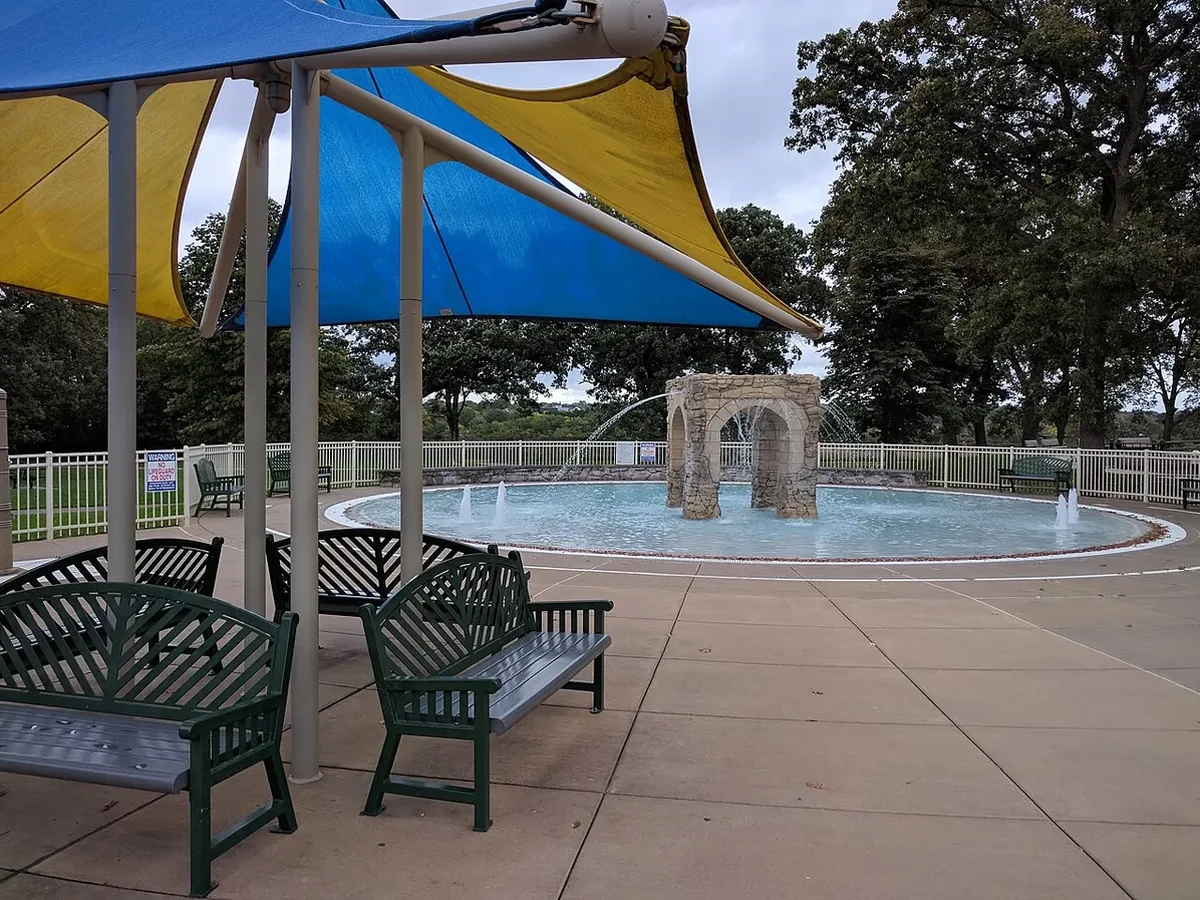
Photo: Runner1928, Wikimedia Commons, CC BY-SA 4.0
Quick Answer
A wading pool is a very shallow pool made for small children to stand, sit, splash and play in, not to swim laps. Most are 6 to 24 inches deep, often with a zero-depth entry that slopes in like a beach. You find them in public parks, such as the Wabun wading pool in Minneapolis's Minnehaha Regional Park, at resorts and community pools, and in backyards as kiddie pools. An adult wading pool is a larger, slightly deeper shallow pool or tank, about 1.5 to 2.5 feet deep, for soaking and lounging. Even shallow water can be dangerous: always watch children closely, keep water clean and empty small pools after use.
Parents, park visitors and homeowners often ask what is a wading pool, and how it differs from a splash pad, a kiddie pool or a regular swimming pool. The short answer is depth and purpose. A wading pool is shallow enough for a toddler to stand in, and it is built for play, cooling off and getting used to water. It is not meant for swimming, and it is certainly not for diving.
This guide explains what a wading pool is, how deep it is, where you can find one, the types you can buy or build for your yard, what they cost, how to keep the water clean and how to keep children safe. For other small pools, see what is a plunge pool and what is a cowboy pool.
What Is a Wading Pool? A Simple Definition
A wading pool is a small, shallow body of water, usually man-made, designed for people to wade in rather than swim. "Wading" means walking through water. In practice, the term almost always refers to pools for young children. Public wading pools are typically round or freeform basins with a sloped or zero-depth edge, a maximum depth of about 18 to 24 inches and often a fountain, spray feature or shade structure. In the UK and some other countries, the same thing is called a paddling pool. Backyard versions range from a $20 inflatable ring pool to a custom concrete pool with its own filter.
What separates a wading pool from other pools is that the deepest point is shallow enough for the intended users to stand with their head well above water. That is why wading pools are popular for toddlers and preschoolers, and why many parks build them next to playgrounds.
What Is a Wading Pool's Depth?
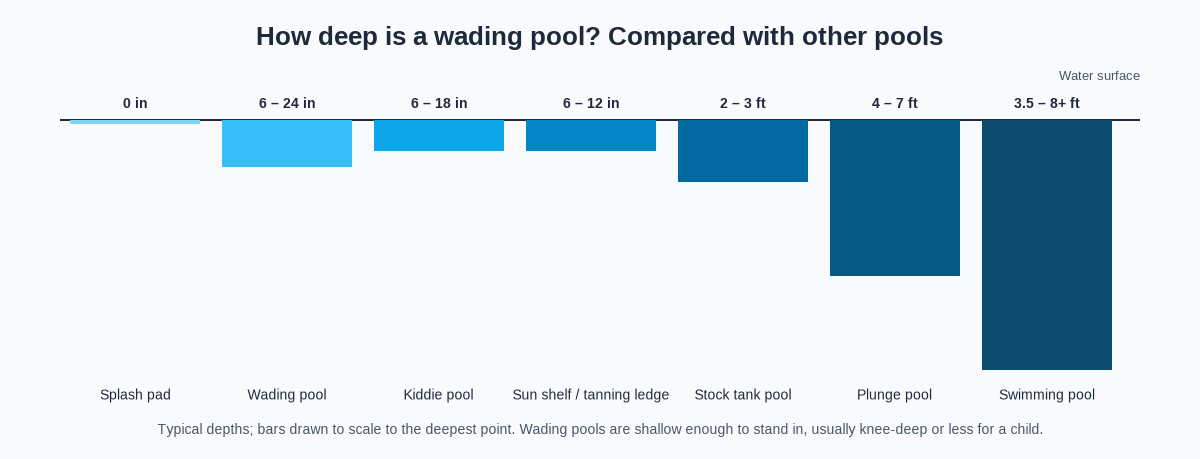
Chart: Asphapro.com
The chart compares typical depths. Wading pools usually run from a few inches at the edge to 18 or 24 inches at the deepest point. Many public wading pools have a zero-depth entry, meaning the floor slopes up to meet the deck so children can walk in from dry ground. Kiddie pools for home use are often 6 to 18 inches deep. Splash pads have no standing water at all; water sprays from jets and drains away immediately. Plunge pools are much deeper, usually 4 to 7 feet, and full swimming pools are deeper still. For more on depths, see our guide to pool depth.
What Is a Wading Pool vs a Splash Pad?
A splash pad, also called a spray park or spray ground, has fountains and jets but no standing water. The water falls onto a non-slip surface and drains away, often to be filtered and recirculated or sent to the sewer. Because there is no standing water, many cities do not require lifeguards at splash pads, and drowning risk is very low. A wading pool holds standing water, even if shallow, so children can sit and play in it. That is more fun for many kids, but it needs more supervision and more water treatment. Many cities have converted old wading pools to splash pads to save on staff and water costs, while others keep wading pools because families love them.
What Is a Wading Pool vs a Kiddie Pool?
The terms overlap. "Kiddie pool" usually means a small, portable pool for home use, such as an inflatable or hard plastic pool you fill with a hose. "Wading pool" is broader: it includes kiddie pools and also permanent shallow pools in parks, resorts and backyards. All kiddie pools are wading pools, but not all wading pools are kiddie pools.
What Is a Wading Pool vs a Swimming Pool?
A swimming pool is deep enough to swim in, usually at least 3 to 3.5 feet at the shallow end, and has a filtration and chlorination system that runs continuously. A wading pool is too shallow to swim in. Public wading pools may be filtered and chlorinated like swimming pools, or they may be filled fresh each day and drained at night. Home kiddie pools usually have no filter at all and must be emptied often.
What Is a Wading Pool in a Public Park? A Short History
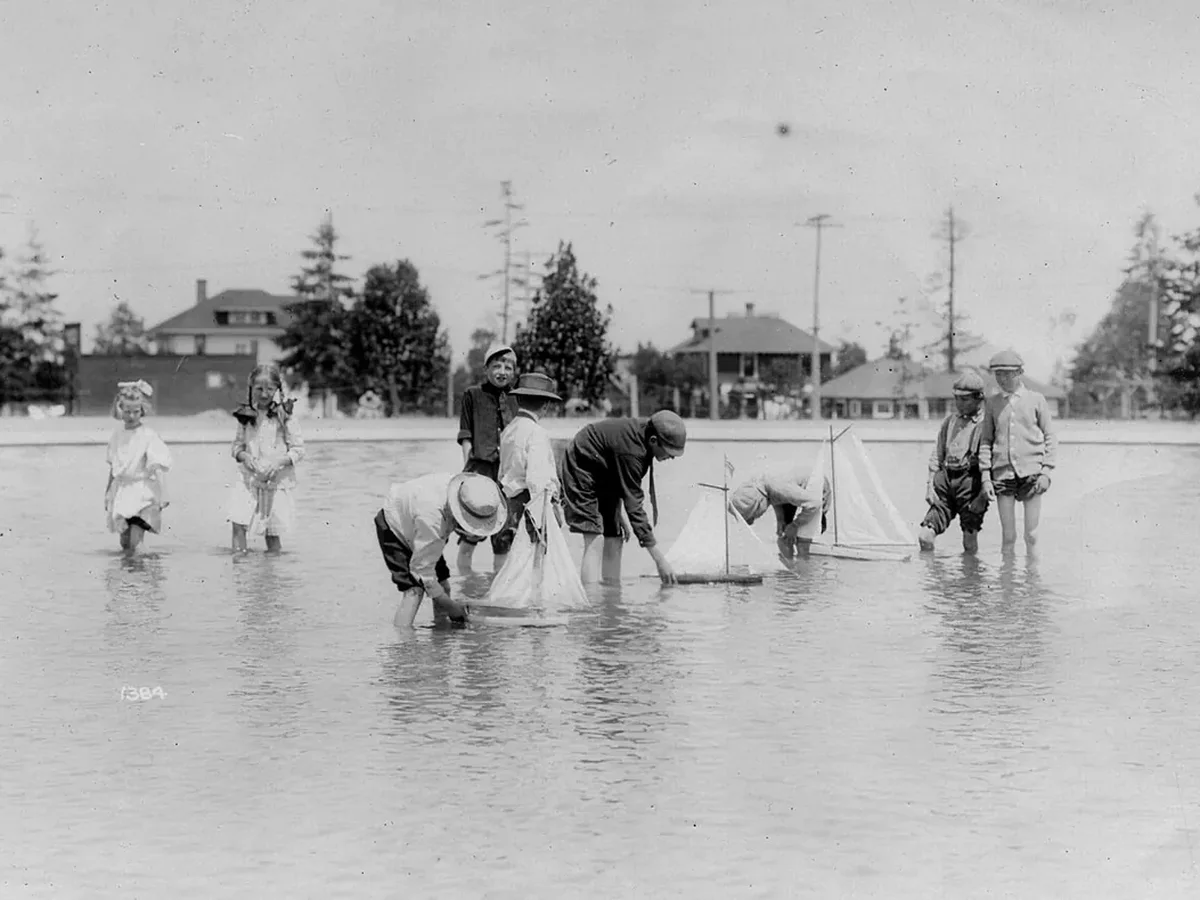
Photo: Seattle Municipal Archives, Wikimedia Commons, CC BY 2.0
Public wading pools have been part of city parks for more than a century. The 1912 photo above shows children sailing toy boats in a wading pool at a Seattle playfield. In the early 1900s, cities built wading pools in crowded neighborhoods so children had a safe, cool place to play in summer, often next to playgrounds and sports fields. Many of those early pools were simple concrete basins filled from the city water supply. Today, public wading pools usually have modern filtration or are drained and cleaned daily, and many have been rebuilt with zero-depth entries and spray features.
The Wabun Wading Pool in Minneapolis
One well-known example is the Wabun wading pool at the Wabun Picnic Area in Minnehaha Regional Park, Minneapolis, run by the Minneapolis Park and Recreation Board. Local family guides describe it as a zero-depth entry pool that reaches about 2 feet at its deepest, with a spraying rock feature and shade structures, next to a large playground and picnic area. It is a short walk from Minnehaha Falls. Like other Minneapolis wading pools, it opens seasonally in summer, and opening dates and hours change each year, so check the park board's website before you go. The photo at the top of this page shows a shallow wading pool in Minnehaha Park with a stone arch fountain and shade sails.
Minneapolis is known for having many free neighborhood wading pools, and many other cities, from Seattle to New York, also run them. If you are wondering what is a wading pool near you, search your city's parks department site for "wading pools" or "spray parks".
What Is an Adult Wading Pool?
An adult wading pool is a shallow pool made for grown-ups to sit, soak and cool off in, rather than swim. The idea has become popular as people look for cheap ways to cool down at home. Common options include large inflatable pools sized for adults, often 1.5 to 2.5 feet deep with built-in seats or cup holders; galvanized stock tank pools (see stock tank pool ideas); round metal "cowboy pools"; and built-in sun shelves or tanning ledges inside inground pools, which are 6 to 12 inches deep so you can set a lounge chair in the water. Some resorts also build adult-only shallow lounge pools.
An adult wading pool is a good choice if you want to cool off but do not need to swim, have limited space or budget, or want a soaking spot next to a larger pool. Because adult wading pools hold more water than kiddie pools, many owners add a small filter pump and use chlorine or bromine instead of emptying them often.
What Is a Wading Pool Going to Cost? Types and Prices
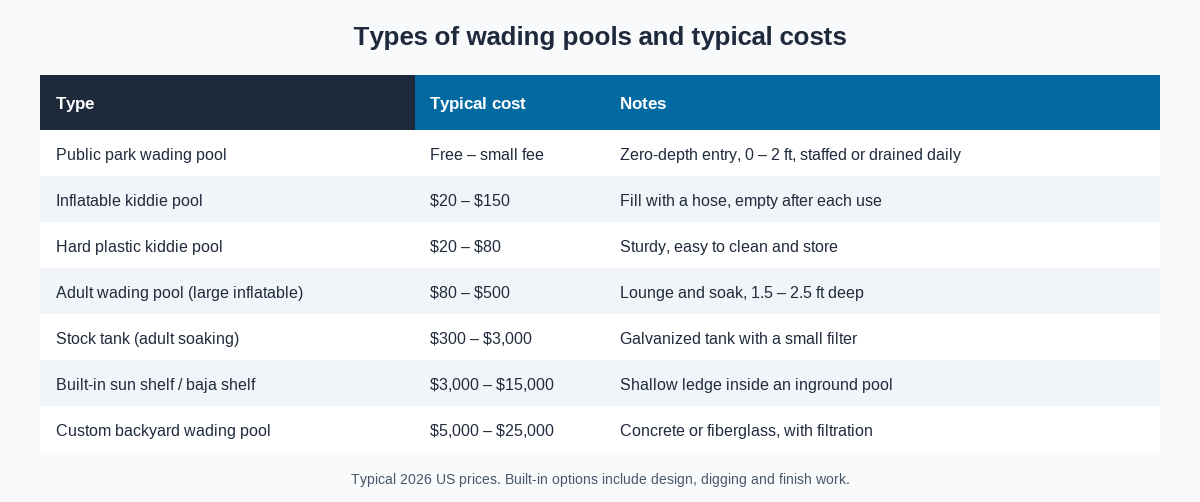
Chart: Asphapro.com
Inflatable kiddie pools ($20 to $150). Cheap and easy to store. They puncture easily and need emptying after use. Choose ones with a drain valve and a thick floor.
Hard plastic kiddie pools ($20 to $80). Sturdy, easy to clean and quick to empty by tipping. They take up storage space.
Adult inflatable or frame pools ($80 to $500). Larger and deeper, with room to sit. Bigger models may come with a small filter.
Stock tank pools ($300 to $3,000). Durable galvanized steel tanks, 2 to 3 feet deep, with an above ground filter pump. They last many years.
Sun shelves ($3,000 to $15,000). A shallow ledge built into a new or remodeled inground pool. Great for small children under supervision and for adults lounging.
Custom backyard wading pools ($5,000 to $25,000). Built from concrete or fiberglass, often next to a main pool, with their own or shared filtration. See plunge pool cost for comparable small-pool pricing.
What Is a Wading Pool's Biggest Upkeep Job? Clean Water
Small, shallow pools warm quickly in the sun, and warm, still water is perfect for germs and algae. For kiddie pools without a filter, the CDC recommends emptying the water after each use and letting the pool dry, rather than adding chlorine to a small inflatable pool. Small pools are hard to keep properly chlorinated, and children may swallow the water. Clean the pool with mild soap or a dilute bleach solution, rinse well and dry it in the sun. Children in diapers should wear swim diapers, and anyone who has had diarrhea should stay out of the water.
For larger adult wading pools and stock tanks with a filter, treat the water like a small swimming pool: run the filter daily, keep free chlorine at 1 to 3 ppm and pH at 7.2 to 7.8, and use a cover. Public wading pools are inspected by local health departments and follow pool codes.
What Is a Wading Pool Safety Plan?
Shallow water is not safe water. Young children can drown in just a few inches of water, and drowning is a leading cause of death for children ages 1 to 4 in the US, according to the CDC. Keep these rules every time:
- Watch children constantly, within arm's reach for toddlers. Do not look at a phone or leave "for a second".
- Empty kiddie pools and store them upside down right after use.
- Keep a fence or barrier between larger backyard pools and the house.
- Teach children not to run on wet surfaces.
- Use sunscreen and shade; wading pools are usually in full sun.
- Never allow diving or jumping headfirst into a wading pool.
See CPSC pool safety guidance for more. Also check local rules: some areas require a fence around any pool deeper than about 18 to 24 inches, which can include adult wading pools and stock tanks.
Where to Put a Backyard or Adult Wading Pool
Choose a level, smooth spot without rocks, sticks or sprinkler heads underneath. Grass works but will be damaged under the pool; a tarp or foam mat protects the floor. Place the pool where you can see it from the house and where shade covers part of it in the afternoon. Keep it away from steps, retaining walls and other drop-offs, and away from a main pool so children do not move from the shallow water to the deep water unnoticed. Plan where the water will go when you empty it, away from the house foundation.
Adult Wading Pool Ideas
If you like the idea of an adult wading pool, there are several ways to set one up. A large rectangular inflatable pool, about 10 feet long and 2 feet deep, fits on most patios and costs under a few hundred dollars. Add a small cartridge filter pump, a floating chlorine dispenser and a cover, and the water can stay clean for weeks. A galvanized stock tank, 8 to 10 feet across and 2 feet deep, makes a sturdier adult wading pool that lasts for years; set it on a level gravel pad and add a pump and filter made for above ground pools. A round metal cowboy pool works the same way. For a permanent setup, a small concrete or fiberglass shallow pool, 18 to 30 inches deep, with built-in benches, gives an adult wading pool feel with real filtration. Whatever you pick, add shade, a non-slip surface around the edge and a cover to keep leaves and animals out.
An adult wading pool is also a good fit for older people and anyone with limited mobility who wants to cool off without swimming. Built-in steps and a handrail make it easier to get in and out. Keep the water at a comfortable temperature and the depth shallow enough to sit with your chest above water.
What Is a Wading Pool Day Like at the Park?
A visit to a public wading pool is usually simple. Pools typically open in early summer, often in early June, and stay open until school starts or late August, though each city sets its own dates. Many are free. Some are staffed by attendants who check water quality and enforce rules, while others are unstaffed and rely on parents. Common rules include swim diapers for children not yet toilet trained, no glass, no running, no adults without children and an age limit, often 12 and under. Bring sunscreen, water shoes for hot pavement, towels, a change of clothes and drinks. At popular pools like the Wabun wading pool, arrive early on hot days to find parking and shade. Pools may close for cleaning, during storms or when the weather is too cool.
Planning a Visit to the Wabun Wading Pool
The Wabun wading pool sits in the Wabun Picnic Area of Minnehaha Regional Park, in south Minneapolis near the Mississippi River. Family guides note free parking in the lots closest to the picnic area, while some other park lots charge. Next to the Wabun wading pool are play areas, including a toddler area with a shaded sand section, plus picnic shelters that can be reserved for groups. From there you can walk to Minnehaha Falls in about 15 minutes. Because the Wabun wading pool has a zero-depth entry and tops out around 2 feet, it suits toddlers and young children. Always confirm the current season and hours with the park board before you go, since dates change from year to year and pools can close for maintenance.
What Is a Wading Pool Made Of?
Public wading pools are usually concrete with a plaster, paint or tile finish, sometimes with a rubberized or textured non-slip floor. Newer pools may use fiberglass or stainless steel. Home kiddie pools are made of PVC vinyl (inflatables) or rigid polyethylene plastic. Stock tanks are galvanized steel. Custom backyard wading pools can be gunite concrete, fiberglass shells or vinyl-lined walls. Concrete lasts the longest but costs the most; plastic is cheap but wears out in a few seasons in strong sun.
What Is a Wading Pool Under the Law?
Public wading pools are regulated by state and local health codes, which cover water quality, filtration or daily draining, signage and sometimes staffing. Home wading pools are less regulated, but pool barrier rules can still apply. Many local codes based on the International Swimming Pool and Spa Code apply barrier requirements to pools that can hold more than about 24 inches of water. An adult wading pool or stock tank close to that depth may need a fence or a locking cover. Some HOAs and landlords also have rules. Check before you buy a larger adult wading pool.
What Is a Wading Pool's Environmental Cost?
Emptying and refilling a kiddie pool every day uses water: a small pool may hold 50 to 150 gallons. Instead of pouring it down the drain, use the water on lawns, trees or gardens if it has no chemicals in it. Larger adult wading pools with filters use less water over time because they are not emptied as often, but they use some electricity for the pump. A cover cuts evaporation and keeps the water clean.
What Is a Wading Pool vs a Sun Shelf?
A sun shelf, also called a tanning ledge or baja shelf, is a wide, shallow step inside an inground swimming pool, usually 6 to 12 inches deep. It works like a built-in wading area: small children can splash there and adults can set lounge chairs in the water. The difference is that a sun shelf is part of a deeper pool, so a child can step off the edge into deep water. That makes close supervision even more important than in a stand-alone wading pool. If you are planning a new pool and want a wading area for young children, a sun shelf is one option; a separate wading pool next to the main pool, with its own small fence or gate, is another.
What Is a Wading Pool Activity for Toddlers?
Wading pools are perfect for water play that builds confidence. Floating toys, cups and watering cans for pouring, small boats like the ones in the 1912 photo, and plastic balls all keep toddlers busy. Practice blowing bubbles, kicking while holding the edge and lying back with support. These skills prepare children for swim lessons later. Keep toys out of the pool when it is not in use, since toys can draw children back to the water when no adult is watching.
Kiddie and Adult Wading Pool Maintenance
For inflatable and plastic pools, maintenance is simple: empty after each use, wipe and dry, and store out of the sun. Check inflatables for leaks and patch them with the kit that came with the pool. For filtered adult wading pools and stock tanks, clean or replace the filter cartridge every week or two, skim leaves daily, test chlorine and pH two or three times a week and top up evaporated water. At the end of summer, drain, clean and dry the pool, and store the pump indoors in cold climates.
What Is a Wading Pool Worth Buying? Quick Tips
When choosing a home wading pool, think about who will use it. For toddlers, a small hard plastic pool is easy to empty and clean, and it will not pop. For several older children, a larger inflatable with a drain valve saves time. For adults, an adult wading pool with a filter pump or a stock tank pays off over a few summers. Look for thick materials, a wide, stable base, a drain plug and UV-resistant plastic. Avoid pools with sharp edges or seams that scrape skin. Check how long the pool takes to fill and empty, and whether you have a level spot and a place to drain the water. These simple checks make the answer to what is a wading pool worth buying much easier.
What Is a Wading Pool Good For?
Wading pools are great for toddlers and preschoolers, who get to play in water at a depth they can handle. They help children get comfortable with water before swim lessons. They cool off kids and adults on hot days at low cost. Adult wading pools offer a soaking spot without the cost and upkeep of a full pool. For older children who want to swim, a wading pool will be outgrown quickly.
What Is a Wading Pool: Key Points
- A wading pool is a shallow pool, usually 6 to 24 inches deep, for wading and play.
- Public wading pools, like the Wabun wading pool in Minneapolis, often have zero-depth entry.
- Adult wading pools are larger, 1.5 to 2.5 feet deep, for soaking.
- Empty small kiddie pools after each use.
- Always watch children closely; drowning can happen in inches of water.
Frequently Asked Questions
What is a wading pool used for?
Splashing, playing and cooling off, mainly for young children. It is not for swimming laps or diving. An adult wading pool is used for soaking and lounging.
How big is an adult wading pool?
Most are 8 to 12 feet long or across and 1.5 to 2.5 feet deep, big enough for two to four adults to sit.
How deep is a wading pool?
Usually 6 to 24 inches at the deepest point, often with a zero-depth entry.
Is a paddling pool the same as a wading pool?
Yes. "Paddling pool" is the common British term for a wading pool.
Do you need a fence for a wading pool?
Small kiddie pools that are emptied after use usually do not, but rules vary. Pools deeper than about 18 to 24 inches may need a barrier under local codes.
Should I put chlorine in a kiddie pool?
For small inflatable or plastic pools, the CDC advises emptying the water after each use instead. Larger filtered pools can be chlorinated like a swimming pool.
Is the Wabun wading pool free?
Minneapolis park wading pools are generally free to use during the summer season. Check the Minneapolis Park and Recreation Board website for current dates and hours.
Sources
- CDC: Preventing drowning
- CDC: Healthy swimming
- CPSC: Pool and spa safety
- Minneapolis Park and Recreation Board
- Family Fun Twin Cities: Wabun Picnic Area and wading pool