
Swimming Pool Fence Ideas: Styles, Costs and Safety Rules
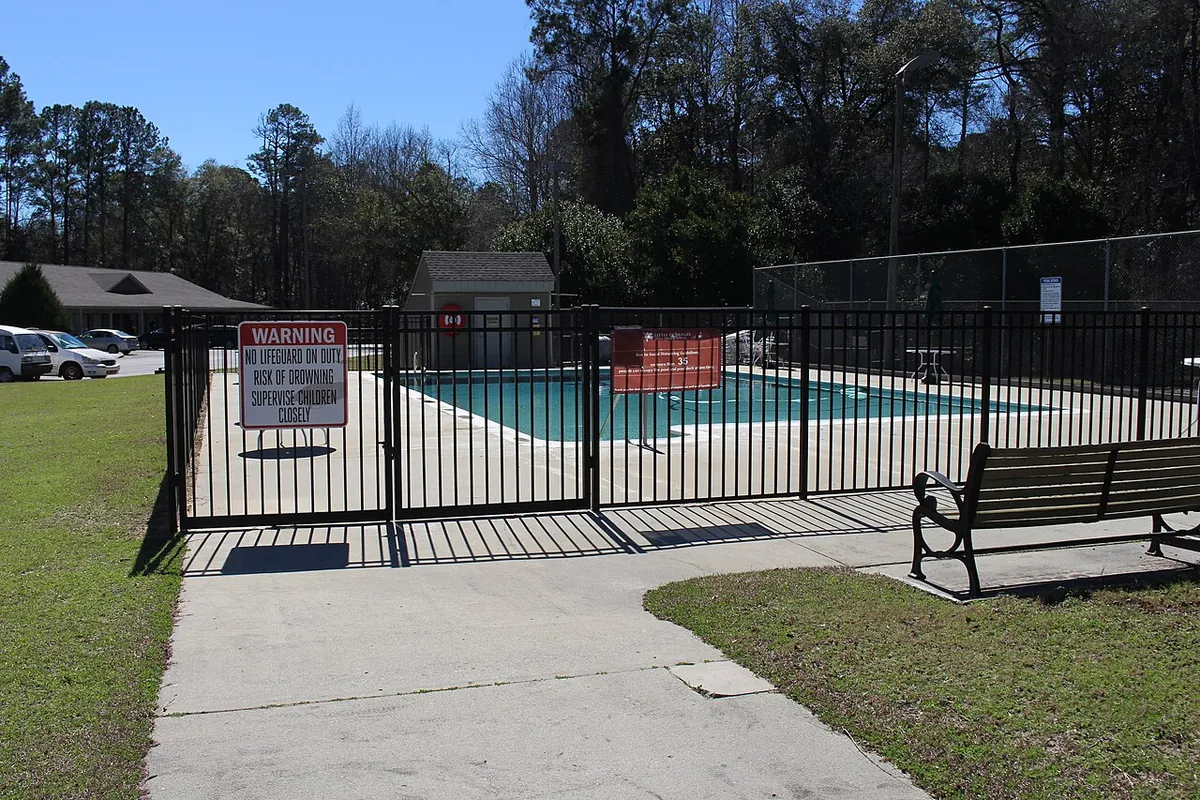
Photo: Michael Rivera, Wikimedia Commons, CC BY-SA 4.0
Quick Answer
The most popular swimming pool fence ideas are black or white aluminum (about $25 to $60 per linear foot installed), glass panels for a clear view ($60 to $200+ per foot), vinyl ($25 to $50), removable mesh safety fencing ($15 to $35), chain link ($10 to $30) and wood privacy fences ($20 to $45). Whatever the style, most local codes require pool fencing to be at least 48 inches tall, with no openings a 4-inch ball can pass through, a small gap at the bottom, and a self-closing, self-latching gate that opens away from the pool. A typical backyard pool fence of 120 to 200 feet costs about $3,000 to $12,000.
A fence around a pool has two jobs: keep young children and pets out when no adult is watching, and make the pool area look good. Drowning is a leading cause of death for young children, and the US Consumer Product Safety Commission notes that most child drownings in home pools happen when a child gets into the pool area unseen. A proper pool safety fence, with a gate that closes and latches on its own, is one of the most effective layers of protection.
That does not mean pool fencing has to look like a cage. Modern pool fence ideas range from frameless glass that disappears into the view, to sleek horizontal slat fences, to classic white picket-style aluminum. This guide covers twelve swimming pool fence ideas with their pros, cons and costs, the safety rules every fence for pool use must meet, gate options, above ground pool fence ideas, inexpensive pool fence ideas and tips on planning your layout.
Pool Fence Rules to Know Before You Choose
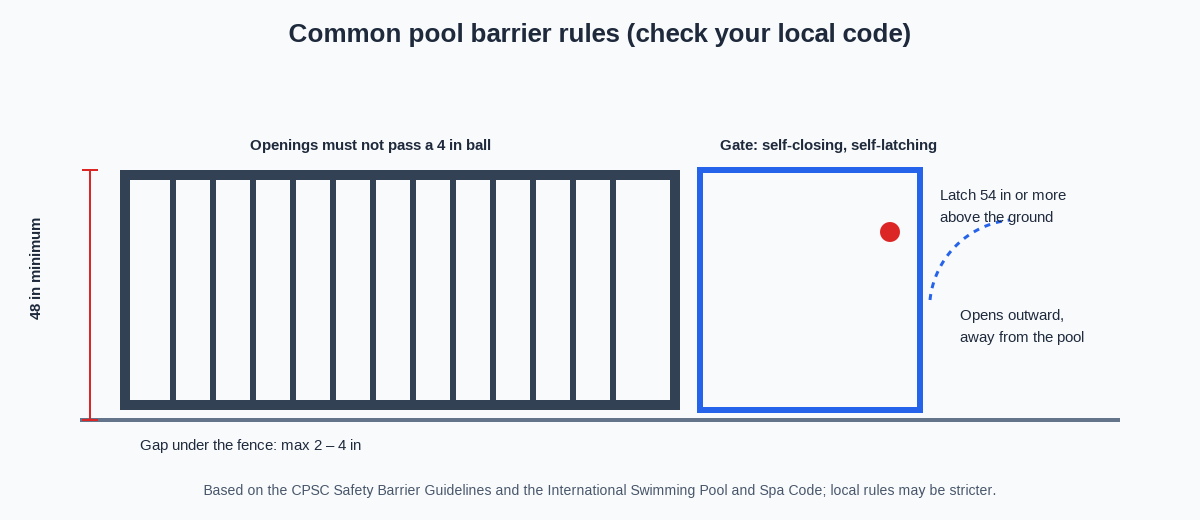
Diagram: Asphapro.com
Most US towns base their pool barrier rules on the International Swimming Pool and Spa Code (ISPSC), the International Residential Code, or the CPSC's Safety Barrier Guidelines for Residential Pools. Your local code may be stricter, so check with your building department before you buy. Common rules for a swimming pool safety fence include:
- Height: at least 48 inches above the ground on the outside of the fence. Some areas require 54 or 60 inches.
- Openings: no opening that a 4-inch sphere can pass through.
- Bottom gap: no more than 2 to 4 inches between the bottom of the fence and the ground, depending on the code and the ground surface.
- No easy footholds: horizontal rails less than 45 inches apart must be on the pool side, and vertical pickets then must be no more than 1-3/4 inches apart.
- Chain link: mesh openings no larger than about 2-1/4 inches, smaller with slats.
- Gates: self-closing and self-latching, opening outward away from the pool, with the latch at least 54 inches above the ground (or on the pool side, 3 inches below the top, if lower).
- Clear zone: keep climbable objects (chairs, planters, pool equipment, trees) away from the outside of the fence.
- House walls: if the house forms one side of the barrier, doors leading to the pool may need alarms or self-closing hardware.
Many insurers also require a fence around the pool. A permit is usually required for new pool fencing, and an inspection is often part of the final pool permit.
12 Swimming Pool Fence Ideas
1. Black ornamental aluminum fence
Black aluminum is the most common pool fence. It looks like wrought iron but does not rust, needs almost no upkeep, and its vertical pickets let you see the pool from the yard and house. Pool-code versions have pickets close enough to meet the 4-inch rule and a flat-top or spear-top style. Cost: about $25 to $60 per linear foot installed. It is a safe, durable default for most homes.
2. White aluminum or picket-style fence
White aluminum gives a classic, beachy or cottage look while keeping the low maintenance of metal. It shows dirt more than black, but a quick wash with a hose keeps it clean. Cost is similar to black aluminum.
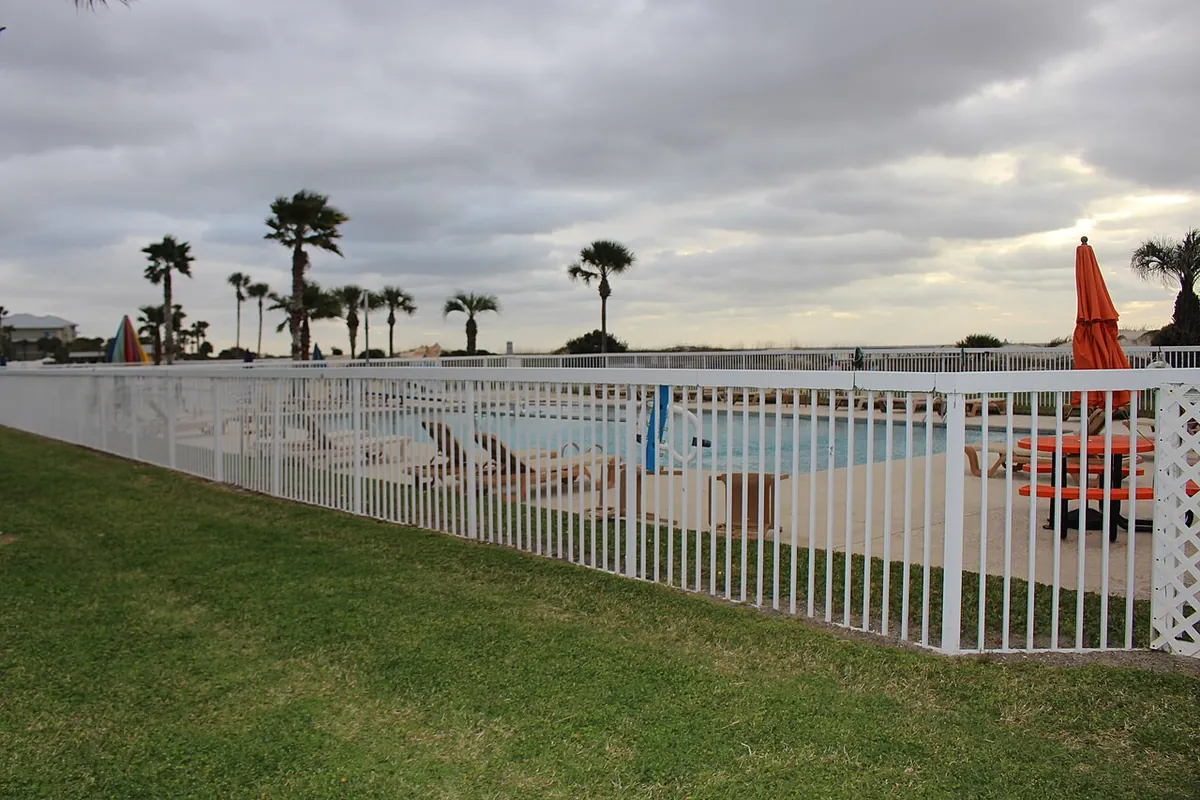
Photo: Michael Rivera, Wikimedia Commons, CC BY-SA 4.0
3. Frameless glass pool fence
Frameless glass panels held by stainless steel spigots or channels give a clear, open view of the pool and are the top choice for modern homes and pools with a view. Glass is made of thick, tempered safety glass. It is easy to see through for supervision, offers no footholds, and blocks wind. The downside is cost, about $100 to $250+ per linear foot installed, and regular cleaning of water spots.
4. Semi-frameless glass fence
Semi-frameless glass uses slim metal posts or rails between panels. It keeps most of the view of frameless glass at a lower price, about $60 to $150 per foot.
5. Removable mesh pool safety fence
Removable mesh fencing uses a tight mesh fabric stretched between aluminum poles set into small holes drilled in the deck. It is see-through, hard to climb, and can be taken down when children are older or for parties. It is one of the most inexpensive pool fence ideas that still meets code in many areas, at about $15 to $35 per foot installed. Mesh fencing does not add privacy and is less durable than metal.
6. Vinyl (PVC) fence
Vinyl pool fencing comes in picket, semi-privacy and full privacy styles. It does not rot or need painting, and is easy to clean. Picket styles must have narrow spaces to meet pool code. Cost: about $25 to $50 per foot installed.
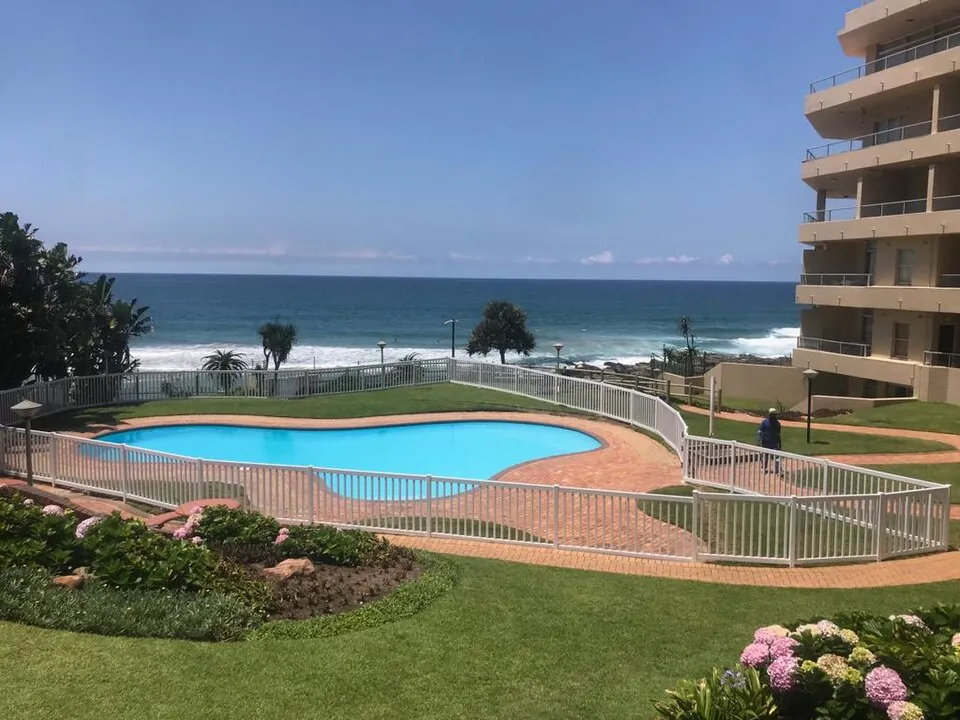
Photo: Valuefencing, Wikimedia Commons, CC BY-SA 4.0
7. Wood privacy fence
A tall wood fence around the yard gives privacy for the pool area. A solid board-on-board fence with no climbable rails on the outside can serve as the pool barrier if it meets code. Wood costs about $20 to $45 per foot, but needs staining or sealing every few years and will eventually rot. For pool privacy fence ideas, cedar and pressure-treated pine are common.
8. Horizontal slat fence
Horizontal wood, composite or aluminum slats give a modern look. Because horizontal boards are easy to climb, they usually do not meet pool code on their own unless the gaps are tiny and the climbable side faces the pool. Many owners use a horizontal slat fence for privacy at the property line and a separate code-compliant pool fence inside.
9. Chain link fence
Chain link is the cheapest permanent fencing for swimming pools, at about $10 to $30 per foot. Black vinyl-coated chain link looks much better than plain galvanized. Use a small mesh size (pool-rated chain link) to meet climbing rules.
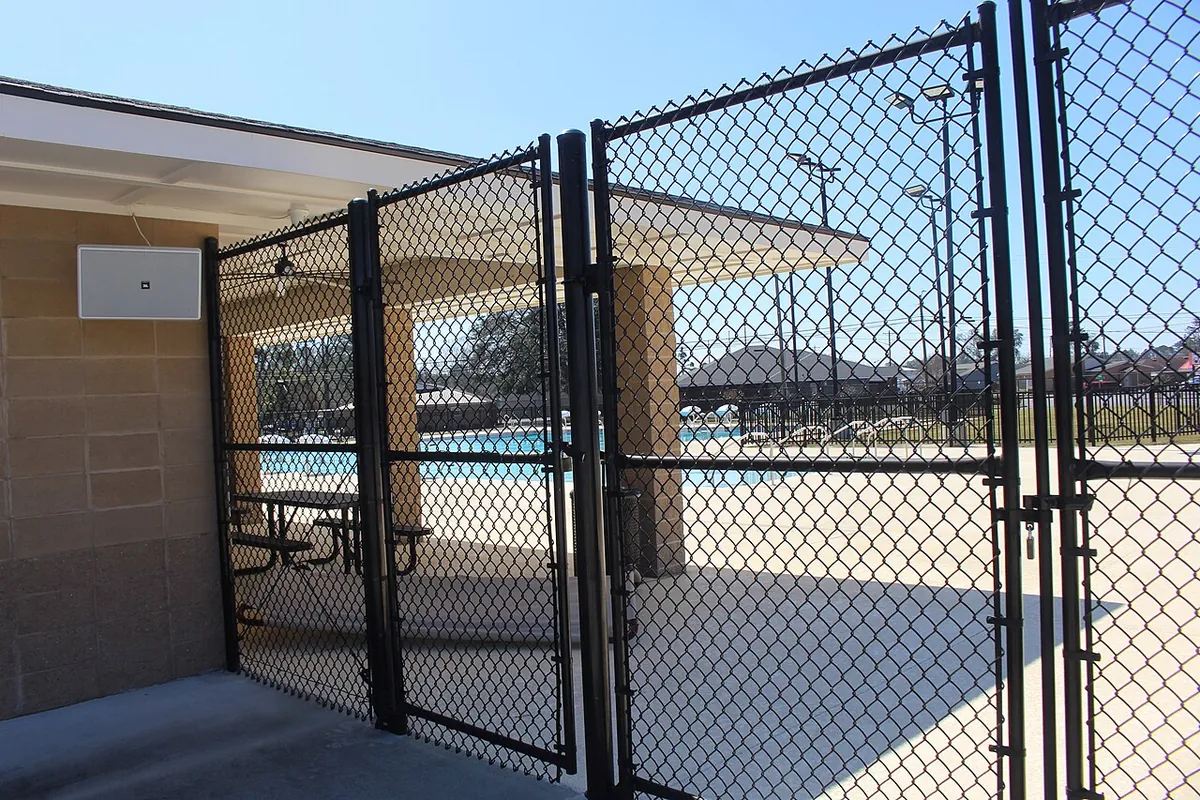
Photo: Mjrmtg, Wikimedia Commons, CC0
10. Wrought iron or steel fence
True wrought iron or welded steel offers a heavy, elegant look and custom designs. It needs painting to prevent rust, especially near chlorinated or salt water. Cost: about $30 to $100+ per foot.
11. Cable rail fence
Stainless steel cable rail looks light and modern, but horizontal cables are easy to climb, so cable fences generally do not meet pool barrier codes. Use them on decks with a view, not as the pool barrier.
12. Living fence (hedge) with an inner barrier
A hedge of arborvitae, bamboo (clumping types) or other shrubs gives soft, green privacy. Plants alone never meet pool code, so pair a hedge with a mesh or aluminum fence on the inside.
Mixing Materials in One Pool Fence
Some of the best pool fence ideas combine two or three materials around one pool. Using the right material on each side keeps the cost down while putting the money where it shows most:
- Glass on the view side, aluminum elsewhere: clear sightlines toward a lake, garden or the house, with lower-cost metal on the sides nobody looks at.
- Privacy panels behind seating: a few solid vinyl or composite panels where lounge chairs sit, and see-through fencing where supervision matters.
- Masonry pillars with aluminum infill: brick or stone columns every 8 to 10 feet with metal panels between them for a high-end look.
- Concrete block wall on one side: a low retaining wall topped with fencing to reach 48 inches on sloped lots; see concrete fence for wall options.
When mixing materials, make sure every section and every joint between sections still meets the height, opening and climbability rules. Inspectors check transitions closely, since gaps often hide where two fence types meet.
Pool Fence Cost Comparison
| Fence type | Cost per linear foot (installed) | Meets pool code? | Upkeep |
|---|---|---|---|
| Chain link (pool-rated) | $10 – $30 | Yes, with small mesh | Low |
| Removable mesh | $15 – $35 | Yes, in most areas | Low to medium |
| Wood privacy | $20 – $45 | Yes, if no outside footholds | High |
| Vinyl | $25 – $50 | Yes, in pool styles | Low |
| Aluminum | $25 – $60 | Yes, in pool styles | Very low |
| Wrought iron / steel | $30 – $100+ | Yes, in pool styles | Medium |
| Semi-frameless glass | $60 – $150 | Yes | Medium (cleaning) |
| Frameless glass | $100 – $250+ | Yes | Medium (cleaning) |
Gates add about $300 to $1,500 each, more for glass. Self-closing hinges and magnetic latches add $100 to $300.
Above Ground Pool Fence Ideas
Above ground pools often have a deck around them, and the deck rail can serve as part of the barrier. Popular above ground pool fence ideas include:
- Pool-top fence kits: resin fence sections that mount on the top rail of the pool, adding 2 to 3 feet of height. Combined with a locking ladder, they can meet code in some areas.
- Deck railing with a gate: a deck around the pool with 36 to 48-inch rails and a self-closing gate at the stairs.
- Removable mesh fence around the whole pool area.
- Lockable or removable ladder: many codes treat a 48-inch pool wall as a barrier if the ladder is removed or locked when not in use.
For above ground swimming pool fence ideas, check whether your town counts the pool wall as part of the barrier. For full setup costs, see above ground pool installation cost.
Pool Fence Gate Ideas
- Single walk gate: 4 feet wide is common.
- Double gate: for moving furniture and equipment, with one leaf fixed by a drop rod.
- Self-closing hinges: spring or hydraulic hinges that close the gate from any open position.
- Magnetic latches: pull-up latches mounted at 54 inches or higher.
- Keyed or code locks for extra security.
- Gate alarms that sound when the gate opens.
Test the gate every week: open it partway and let go. It should close and latch on its own every time. If it sticks or bounces open, adjust the hinge tension or latch height right away.
Inexpensive Pool Fence Ideas
If budget is tight, these pool fence ideas cheap enough for most budgets still keep the pool safe:
- Pool-rated black chain link: the lowest cost permanent option.
- Removable mesh: install it yourself to save labor.
- Fence only the pool area, not the whole yard. A smaller area means fewer feet of fence.
- Use the house wall as one side, with door alarms.
- DIY aluminum kits: pre-assembled panels from home centers.
- Combine styles: glass only on the side facing the view, aluminum or mesh elsewhere.
Pool Fencing Ideas by Yard Style
The best fence for a pool fits the house and the yard as well as the code. Here are pool fencing ideas matched to common styles.
Modern homes
Frameless or semi-frameless glass, black aluminum with flat tops, or horizontal slat privacy screens (set outside a code-compliant inner fence) suit clean, modern lines. Pair them with a concrete or large-format paver deck. For a modern swimming pool with fence lines that almost disappear, glass on the view side and black aluminum elsewhere is a popular mix.
Traditional and farmhouse homes
White picket-style aluminum or vinyl, or black aluminum with finials, fits brick, siding and farmhouse styles. Add a matching arbor over the gate for a finished look.
Tropical and resort-style yards
Glass panels with palms and planting beds outside the fence give a resort feel. Bamboo-look aluminum or composite screens add privacy without the upkeep of real bamboo.
Small yards
In small yards, see-through fencing keeps the space from feeling closed in. Glass, mesh or thin-picket aluminum work best. Fence ideas for pools in tight spaces often use the house wall and a side fence as part of the barrier, with only one or two new runs of fence needed.
Sloped yards
Aluminum and vinyl panels can be "racked" to follow a slope, or stepped in level sections. Watch the bottom gap: on slopes, stepped panels can leave triangles of open space that break the 2 to 4 inch rule. Racked panels or extra bottom rails fix this.
Pool Privacy Fence Ideas
A see-through pool safety fence keeps children safe but does not hide the pool from neighbors. To add privacy:
- Build a 6 ft solid wood, vinyl or composite fence at the property line, and use it as the outer barrier if it meets pool code.
- Add privacy screens or lattice panels on one or two sides only, where neighbors look in.
- Plant a hedge or tall grasses outside a mesh or aluminum fence.
- Use frosted or tinted glass panels on part of a glass fence.
- Add a pergola or shade sail over seating areas for privacy from above.
Keep in mind that solid fences block the view of the pool from the house. Many safety experts suggest keeping at least one side see-through so adults can watch the water from inside.
How Long Do Pool Fences Last?
| Material | Typical life | Main wear issues |
|---|---|---|
| Aluminum | 20 – 30+ years | Powder coat fading, loose fasteners |
| Glass | 20 – 30+ years | Hardware corrosion, water spots |
| Vinyl | 20 – 30 years | Yellowing, cracking in cold |
| Chain link (coated) | 15 – 25 years | Rust at cuts, sagging fabric |
| Wood | 10 – 20 years | Rot, warping, splinters |
| Removable mesh | 8 – 15 years | UV damage to mesh, worn sleeves |
Near salt water pools or the coast, choose powder-coated aluminum or marine-grade (316) stainless hardware for glass. Steel and plain galvanized parts rust faster in salty air.
DIY or Professional Pool Fence Installation?
Mesh fencing kits, chain link and pre-built aluminum panels can be installed by handy owners. Setting posts in concrete, keeping panels level and adjusting self-closing gates take care but no special tools beyond a post-hole digger, a level and a drill. Glass fencing, wrought iron and fences on slopes or concrete decks are best left to pros, because mistakes can leave gaps that fail inspection.
Professional fencing for swimming pools adds about $10 to $30 per foot in labor, but includes code knowledge and usually a warranty. Many towns inspect pool fences before a pool can be filled or used, so whichever route you take, read the code first.
Layers of Pool Safety Beyond the Fence
Safety experts recommend several layers of protection, because no single barrier is perfect. Along with a swimming pool safety fence, consider:
- Door and window alarms on doors that open to the pool area.
- Pool alarms that detect a splash or a person entering the water.
- Safety covers that can hold the weight of a child or adult.
- Locking ladders for above ground pools.
- Swim lessons for children and CPR training for adults.
- Constant adult supervision whenever children are in or near the water.
A safety fence for pool areas works best when every adult in the household knows the gate must always be closed, and toys are kept out of the pool when it is not in use, so children are not tempted to reach for them.
Fence Around Pool Ideas for Existing Pools
Adding a fence to an existing pool often means installing posts through a concrete deck. Options include core-drilling holes and setting posts in non-shrink grout, using surface-mount base plates bolted to the deck, or setting the fence at the edge of the deck in the soil. Core drilling gives the strongest result and the neatest look. If your deck is cracked or sinking, fix it before adding the fence; see concrete pool deck repair.
Pool Safety Fence Ideas for Families With Young Children
If you have toddlers or young visitors, focus on pool safety fence ideas that leave no weak points:
- Fence the pool on all four sides (isolation fencing), so the house does not form part of the barrier. The CPSC notes that four-sided fencing that separates the pool from the house is the most effective design.
- Choose vertical pickets or mesh with no horizontal rails on the outside.
- Put the latch high, at least 54 inches, out of a child's reach.
- Add a gate alarm so you know if anyone opens the gate.
- Keep the fence clear of chairs, coolers and toys that a child could climb.
- Check the bottom gap after landscaping or settling; soil can wash out and widen it.
Caring for Swimming Pool Fences
Swimming pool fences need a little care each season to stay safe and looking good:
- Test gates weekly; adjust hinge tension and latch alignment as needed.
- Tighten loose screws and brackets each spring.
- Rinse aluminum and vinyl with a hose; wash glass with a squeegee and a vinegar solution to remove water spots.
- Restain wood every 2 to 3 years.
- Check mesh fences for tears and worn pole sleeves.
- Trim plants away from the fence so they cannot be used to climb over it.
Well-kept swimming pool fencing lasts for decades and keeps passing inspections.
How to Plan Your Pool Fence Layout
- Check local code and HOA rules.
- Measure the area, keeping at least 4 feet of deck between the pool edge and the fence.
- Place gates where people will walk from the house and driveway.
- Keep pool equipment outside the fence if possible, or make sure it is not climbable from outside.
- Plan where posts go in concrete; see concrete fence posts.
- Leave clear space outside the fence for mowing and maintenance.
Swimming Pool Fence Ideas: Key Points
- Aluminum, glass, vinyl, mesh, chain link and wood are the main pool fence options.
- Pool fences must be at least 48 inches tall with openings under 4 inches.
- Gates must be self-closing and self-latching and open away from the pool.
- Costs range from about $10 to $250+ per linear foot.
- Glass gives the best view; aluminum is the best value; mesh is the cheapest code-compliant option in many areas.
Frequently Asked Questions
What is the best fence for a pool?
For most homes, black aluminum is the best value: safe, low upkeep and see-through. Glass is best for a view, mesh for a low budget.
How tall does a pool fence need to be?
At least 48 inches in most areas; some require 54 or 60 inches.
Is a pool fence required by law?
In most US towns and many other countries, yes, for any pool deeper than 18 to 24 inches.
How much does pool fencing cost?
Most backyard pool fences cost $3,000 to $12,000, depending on length and material.
What is the cheapest way to fence a pool?
Pool-rated chain link or a DIY removable mesh fence. Both meet code in most areas for $10 to $35 per foot.
How far should a pool fence be from the pool?
Most codes do not set a minimum, but 3 to 5 feet of deck between the water and the fence is common and leaves room to walk and set chairs.
Can a pool fence be part of the yard fence?
Yes, if the yard fence meets pool barrier rules. Fencing swimming pools inside the yard (isolation fencing) is safer, though, because the house and yard gates are no longer the only barriers.
Are glass pool fences safe?
Yes. Pool glass is thick tempered safety glass built to handle impact, and it has no footholds. Choose a reputable installer and check the hardware each year.
Do above ground pools need a fence?
It depends on local code. Many towns accept a pool wall at least 48 inches high plus a removable or locking ladder as the barrier.
Which fence pool ideas work best near the ocean?
Glass with marine-grade stainless hardware and powder-coated aluminum resist salt air best. Avoid plain steel.
What swimming pool fencing ideas add privacy and safety?
A solid 6 ft property fence for privacy plus a see-through aluminum or mesh inner fence around the pool gives both.
How long does it take to install a pool fence?
Most mesh, aluminum and vinyl pool fences are installed in 1 to 3 days. Glass fencing can take longer, since panels are often made to measure.
Sources
- CPSC: Safety Barrier Guidelines for Residential Pools
- ICC: International Swimming Pool and Spa Code
- CDC: Drowning prevention
- HomeGuide: Pool fence cost