
Concrete Fire Pit Guide: Block, Poured and Fire Pits on Concrete Patios
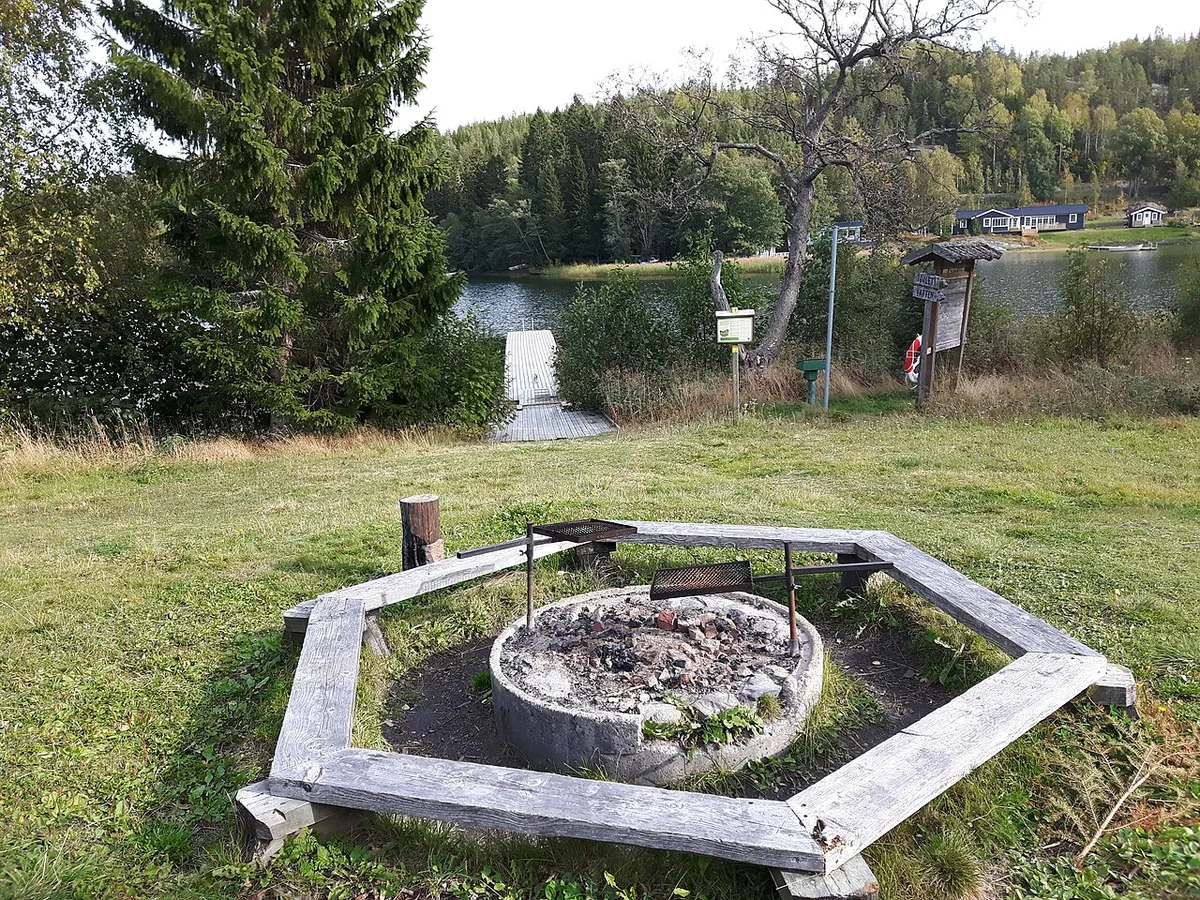
Photo: So9q, Wikimedia Commons, CC BY-SA 4.0
Quick Answer
A concrete fire pit can be built from concrete retaining wall blocks (the most popular DIY method), poured in a form, or bought precast. The key rule is that ordinary concrete is not designed for direct, intense fire: it can crack or spall when moisture inside turns to steam. So a concrete block fire pit should use a steel fire ring liner and/or fire brick on the inside, a gravel base that drains, and blocks glued with heat-tolerant masonry adhesive. Putting a fire pit on concrete patios is fine for raised, ventilated bowls and gas fire tables, but a wood fire directly on a slab can damage it, so use a heat shield or set wood-burning pits on gravel. Keep fire pits at least 10 to 25 feet from buildings, fences and trees, and follow local rules.
A fire pit is one of the most popular backyard features, and concrete is one of the most common materials used to build one. Concrete blocks are cheap, easy to stack and come in curved shapes made for rings. Poured and precast concrete fire pits look modern and solid. And many people want to put a fire pit on an existing concrete patio. But concrete and fire have a complicated relationship, and a fire pit built or placed the wrong way can crack, pop, or damage the slab around it.
This guide explains how concrete behaves in heat, how to build a concrete block fire pit that lasts, poured and precast cement fire pits, whether you can use a fire pit on concrete patios, gas fire pits, costs, and the safety rules that matter most.
Can Concrete Handle Fire?
Concrete is fire resistant in the sense that it does not burn and protects steel in buildings during fires. But ordinary concrete exposed repeatedly to direct flame and high temperatures can be damaged. The main problem is water: hardened concrete always contains some moisture in its pores, and when it is heated quickly, that water turns to steam and builds pressure, which can pop off flakes or chunks of the surface, called spalling. Repeated heating and cooling also causes stresses that crack concrete, and above a few hundred degrees Celsius the cement paste begins to lose strength. Some aggregates, such as certain gravels with trapped water or high silica content, react badly to heat, and river rocks in fire pits are known to crack or even burst for the same reason. See can concrete burn and concrete spalling.
That does not mean concrete in fire pits is a bad idea. It means the concrete should not take the direct, concentrated heat of the fire. Steel liners and fire brick handle the heat, while concrete blocks or poured concrete form the outer structure, where temperatures are much lower. Heat-rated refractory concrete, a special castable made with calcium aluminate cement and heat-resistant aggregates, can be used where concrete must face the fire directly.
Using Concrete in Fire Pit Builds Safely
Using concrete in fire pit projects safely comes down to a few rules. Do not let flames and coals sit directly against ordinary concrete; line the inside with a steel fire ring or fire brick. Make sure the concrete is fully cured and dry before the first fire, ideally weeks after pouring, and start with small fires the first few times so remaining moisture can escape gradually. Give the pit drainage, so rainwater does not soak the blocks and base and then flash to steam during the next fire. Avoid using river rocks or wet stones inside the pit. And if you pour concrete for a fire pit that will face flame directly, use a refractory castable rated for high temperatures rather than standard bagged concrete.
How to Build a Concrete Block Fire Pit
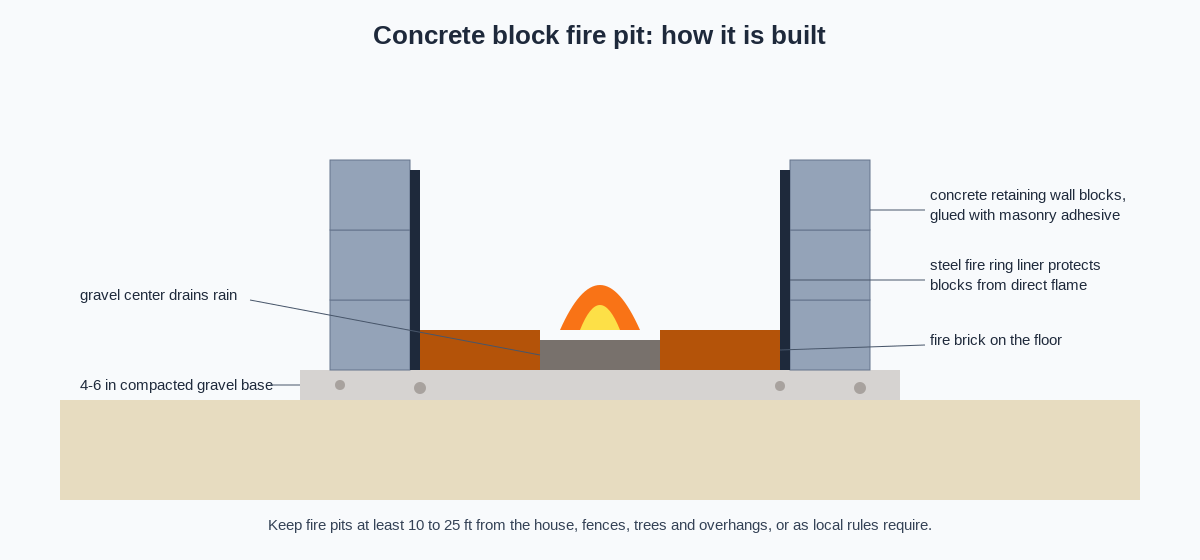
A concrete block fire pit is the most popular DIY version, because concrete retaining wall blocks are inexpensive, sold in curved or tapered shapes made for circles, and need no mortar. Here is the typical process.
First, choose the location: on level ground, well away from the house, fences, sheds, trees and overhanging branches, typically at least 10 to 25 feet, and in line with local fire rules. Check whether your town requires a permit or bans wood fires on certain days. Plan seating space around the pit, usually a ring at least 7 to 10 feet in diameter beyond the pit for chairs.
Second, mark and excavate. Mark a circle the size of the pit plus a few inches, usually about 36 to 48 inches across the inside, and dig out about 6 inches of soil. Compact the soil, add 4 to 6 inches of gravel, compact it, and level it carefully, because the first course of blocks must be level for the ring to stack straight.
Third, lay the blocks. Set the first course of concrete blocks for fire pit rings on the gravel, tight together, checking level across the ring. Stagger the joints on the next courses, like brickwork, and glue them with a masonry or landscape block adhesive rated for outdoor use. Two to four courses, about 12 to 18 inches high, is typical. Many kits use fire pit concrete blocks with a matching cap course.
Fourth, add the liner. Set a steel fire ring liner inside the blocks, so the steel takes the direct heat and the blocks stay cooler. Alternatively, line the inside with fire brick set in refractory mortar. Fill the bottom with a few inches of gravel or lava rock for drainage, or lay fire brick on the floor.
Fifth, let adhesive cure and start small. Wait for the adhesive to cure as directed, then build small fires at first. Keep a hose or extinguisher nearby.
Cement block fire pit kits, sold at home centers, include the blocks, cap and sometimes a steel insert, and make the job straightforward. Fire pit cement blocks are the same retaining wall units in most cases. Hollow cinder or concrete masonry units can also be used, but filling cores and lining the inside matter even more with those. See concrete blocks and cinder block vs concrete block.
Poured and Precast Cement Fire Pits
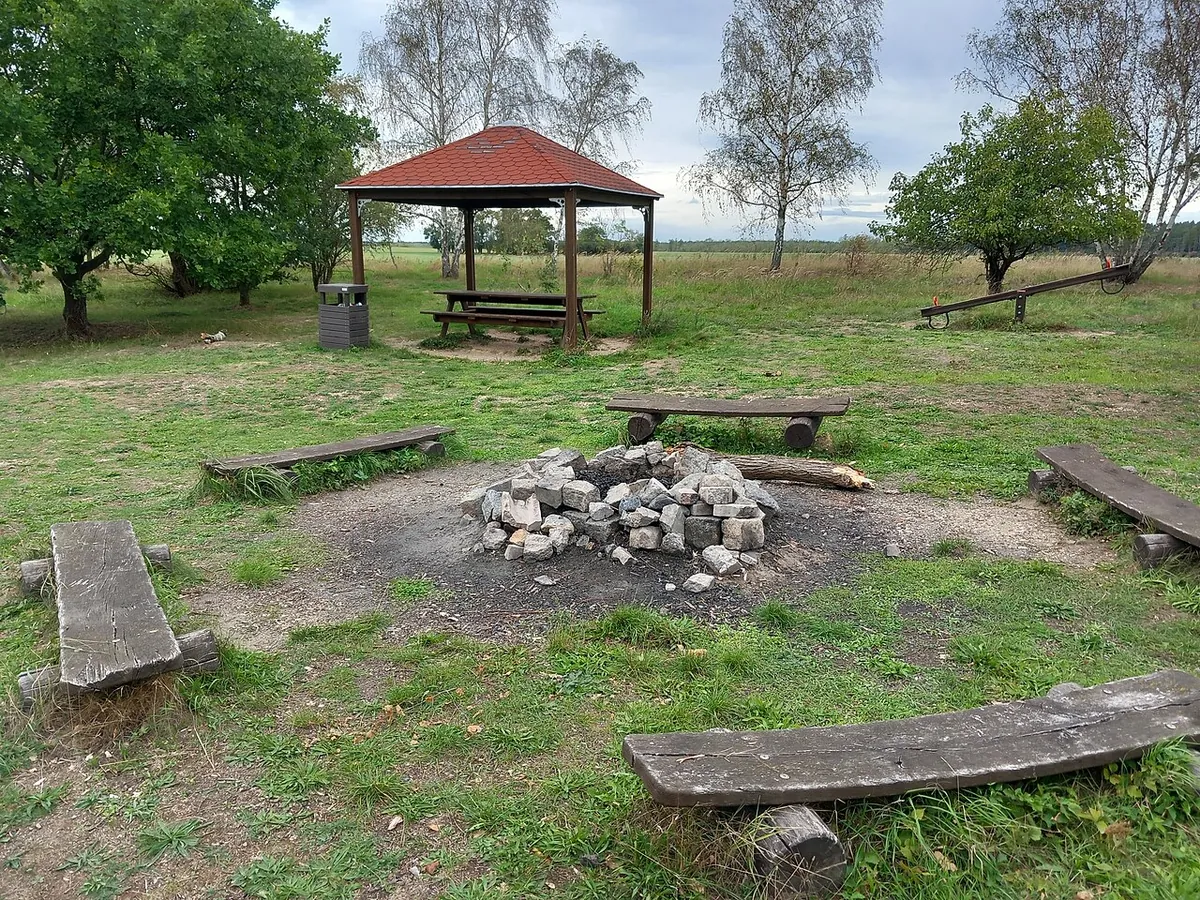
Photo: Bezprezdivky, Wikimedia Commons, CC0
Poured concrete fire pits are cast in place in a round or square form, often with a modern look and smooth or sandblasted finish, and sometimes as part of a seat wall or patio. Precast concrete fire bowls and rings, like the ring in the photo at the top of this page, are factory made, delivered and set on a base. Cement fire pits made in decorative concrete, often glass-fiber reinforced concrete for lighter weight, are popular as gas fire bowls and tables. For wood-burning poured or precast concrete fire pits, a steel liner or refractory lining is still recommended. For gas fire pits, the burner and media such as lava rock or fire glass sit inside a pan, and the concrete body stays much cooler, so standard concrete performs well. See precast concrete and glass fiber reinforced concrete.
When building or comparing designs, the stacked stone pit in the photo above shows another approach: loose stone or block fire pits without mortar are simple and cheap, but stones can crack in heat and shift over time, while a glued block ring or a precast concrete ring stays tidy for years.
Can You Put a Fire Pit on Concrete?
Many people want a fire pit on concrete patios. The answer depends on the type of fire pit. Gas fire pits and fire tables are generally fine on concrete, because they produce less intense heat at the base and most are designed with an insulated or open bottom; follow the manufacturer's clearance instructions. Raised wood-burning fire bowls on legs, with air space underneath, are usually acceptable on concrete if you add a heat shield or fire pit mat under them, because radiant heat and falling embers can still discolor, crack or spall the slab over time. Wood-burning fires built directly on a concrete slab, or in a low pit sitting on the slab, are the most likely to damage it, because concentrated heat and moisture in the slab cause spalling.
For a fire pit on concrete patios, safe options include a gas fire table; a raised steel fire bowl with a heat shield or protective mat; a block ring with a steel liner set on a gravel or paver pad cut into the patio; or a dedicated fire pit area of gravel or pavers next to the patio. Also check that the patio is far enough from the house and that overhangs, pergolas and umbrellas are clear of the fire. See concrete patio ideas.
Gas Fire Pits and Concrete
Gas fire pits use propane or natural gas burners and produce a controlled flame without smoke, sparks or ash, which makes them popular on concrete patios and in areas with wood burning restrictions. A concrete fire pit body, either precast, poured or built from blocks, can enclose a gas burner pan, with vents in the sides to prevent gas buildup and allow cooling air. Natural gas lines must be run by a licensed professional, often under the patio before pouring, and propane tanks need a ventilated enclosure. Gas units still need clearance from structures as specified by the manufacturer and local codes.
Concrete Fire Pit Cost
Costs range widely. A DIY concrete block fire pit using retaining wall blocks, gravel and adhesive often costs about $150 to $500 in materials, plus a steel liner of about $50 to $200. Store-bought cement block fire pit kits run about $200 to $600. Precast concrete fire bowls and rings cost roughly $300 to $1,500 or more, depending on size and finish. A professionally built poured concrete or stone-faced fire pit can cost $1,000 to $5,000 or more, and gas fire pit installations with gas lines often cost $2,000 to $7,000 or more. A dedicated gravel or paver area around the pit, seating walls and lighting add to the total.
How to Make a Poured Cement Fire Pit
A small poured cement fire pit is a satisfying DIY project for people comfortable with formwork. The basic method uses two forms: an outer form, such as a large plastic tub, cardboard concrete tube or plywood ring, and a smaller inner form that creates the bowl or opening. Coat both forms with release oil, place a few inches of concrete in the bottom of the outer form, set the inner form on it, and fill between the two, tapping the forms and rodding the concrete to remove air. Reinforcing with wire mesh or fibers helps resist cracking. After curing for at least a week, strip the forms, sand rough edges, and let the concrete dry for several weeks before any fire.
For a wood-burning cement fire pit, plan for a steel bowl or fire brick lining inside, or use a refractory castable for the inner layer. For a gas fire pit, leave openings for the gas line and vents, and set a burner pan in the top. Smaller tabletop concrete fire pits fueled by gel canisters or bioethanol are easy to cast in molds and make good gifts, but follow the fuel maker's safety instructions closely. See how to make concrete planters for similar mold techniques.
Concrete Fire Pit Size and Shape
Most backyard concrete fire pits have an inside diameter of about 30 to 44 inches for wood fires, which holds a comfortable fire without being too large to sit near. Wall height of 12 to 18 inches above grade keeps embers contained and lets people rest their feet on the edge; taller walls reduce warmth to seated guests. Square and rectangular fire pits suit modern patios and can be built from straight blocks or poured. Linear gas fire troughs and fire tables in concrete are popular for contemporary outdoor rooms. Leave at least 7 feet from the fire pit edge to the outer edge of the seating area so chairs can be pulled back from the heat.
Fire Pit Concrete Design Ideas
A fire pit can anchor an outdoor room. Popular design ideas include a sunken fire pit area with built-in concrete seat walls in a circle; a round block fire pit on a gravel or paver pad with Adirondack chairs; a raised square concrete fire table at the end of a dining patio; a linear gas fire feature along a seat wall; a stone-faced fire pit with a concrete cap; and a precast concrete fire bowl as a sculptural centerpiece. Fire pit. Concrete seating walls built at about 18 inches high double as extra seating and help define the space. Lighting around the area, low plantings and a path from the house complete the setting. See concrete patio ideas and concrete block wall cost.
Fire Pit Safety Rules
Safety matters as much as design. Check local rules first: many towns regulate recreational fires, set minimum distances from structures, ban burning during dry or windy periods, and require gas or smokeless designs in some areas. Common guidance places wood-burning fire pits at least 10 feet from buildings and property lines, and often 25 feet in some jurisdictions, with no overhanging branches, roofs or umbrellas. Burn only dry, seasoned firewood, never trash, treated wood or gasoline as a starter. Keep a hose, bucket of sand or fire extinguisher nearby. Never leave a fire unattended, and supervise children and pets. Fully extinguish the fire with water and stir the ashes before leaving it, and store cold ashes in a metal container. A spark screen helps on windy nights. Consider neighbors, since wood smoke can be a nuisance and a health concern; gas fire pits avoid most smoke.
Caring for Concrete Fire Pits
Concrete fire pits need simple care. Remove ashes regularly, because wet ash is corrosive to steel liners and holds moisture against blocks. Cover the pit or use a lid when not in use to keep rain out. Check blocks and caps each season and re-glue any that have loosened. Replace steel liners when they rust through, usually after several years. Inspect the inside of poured or precast concrete fire pits for cracks and spalling, and repair or line them as needed. Clean soot from the outside with a stiff brush and mild cleaner; a sealer rated for high temperatures can help on exterior faces, but do not seal surfaces that will face direct fire. Before winter in cold climates, make sure water cannot collect in the pit and freeze.
Concrete Fire Pits vs Other Materials
Concrete fire pits compete with steel, stone, brick and cast iron options. Steel fire bowls and rings are inexpensive and portable, but they rust and get very hot to the touch. Natural stone fire pits look beautiful but some stones crack in heat, and building with stone takes skill. Brick fire pits built with fire brick inside and face brick outside are durable and classic, but cost more in labor. Cast iron chimeneas are compact but small. A concrete block fire pit with a steel liner hits a sweet spot: affordable, quick to build, sturdy, and available in many colors and textures. Precast concrete fire pits add a clean, modern look with almost no construction. For wood fires, the best long-term combination is usually concrete or stone on the outside and steel or fire brick on the inside.
Building the Area Around a Concrete Fire Pit
The ground around a fire pit matters as much as the pit itself. A ring of gravel, decomposed granite or pavers several feet wide around the fire pit catches sparks, keeps grass from burning and drains well. Pavers or a separate concrete pad can extend from a patio to the fire pit area, but keep wood fires off the slab itself. Built-in seat walls made from the same concrete blocks as the fire pit create a cohesive look; cap them with a smooth concrete or stone cap for comfortable seating. Leave a clear path to the house and good lighting so people can move safely after dark. If the yard slopes, a level, slightly sunken fire pit area surrounded by seat walls can be very inviting. Plan for wind direction so smoke blows away from the house and the main seating area.
Whatever design you choose, concrete fire pits reward careful planning: a level, drained base, a liner to protect the concrete, safe distances, and comfortable seating. Built this way, a fire pit becomes the favorite gathering spot in the yard for years of evenings outdoors.
Using a Concrete Fire Pit Through the Seasons
A concrete fire pit can be used much of the year with a little care. In spring, check blocks, caps and the liner after winter, clear out wet ash, and make sure the drainage gravel is not clogged. In summer, watch for dry-weather burn bans and keep fires small on hot, windy nights. Fall is fire pit season in many regions; keep firewood dry under cover and away from the pit. In winter, a concrete fire pit can be a cozy gathering spot, but clear snow from the inside and let the blocks dry before lighting a big fire, so trapped moisture does not cause spalling. A cover or lid between uses keeps rain and snow out year round and protects the steel liner from rust.
Gas concrete fire pits need their own seasonal checks: inspect hoses and connections for leaks with soapy water, clear spiders and debris from burners and vents, and cover the unit when not in use. Professional service every year or two keeps a gas fire pit working safely.
Accessories for Concrete Fire Pits
A few accessories make concrete fire pits safer and more useful. A spark screen reduces flying embers. A cooking grate turns the pit into a grill, like the grate on the concrete ring pictured at the top of this page. A fitted lid or cover keeps out rain and debris and doubles as a table when the pit is not in use. A fire poker, log tongs and a metal ash bucket make tending and cleaning easier. For gas units, fire glass or lava rock media and a wind guard improve the look and flame stability.
Choosing the Right Concrete Fire Pit for Your Yard
To choose between concrete fire pits, start with how you will use it. For frequent wood fires and a rustic feel, a concrete block fire pit with a steel liner on a gravel pad is affordable and durable. For a clean, modern look with little construction, a precast concrete fire bowl works well. For a smoke-free fire on a concrete patio or deck area, a gas concrete fire table is the safest choice. For a custom outdoor room, a poured or block fire pit with matching seat walls ties everything together. Whichever you choose, protect the concrete from direct flame, keep safe distances, and check local rules before the first fire. Talk to neighbors too, especially if smoke will drift toward their windows; a gas unit or a carefully placed wood pit keeps everyone happy and lets you enjoy evenings around the fire without complaints or unexpected visits from the local fire department on a busy, dry summer night in your neighborhood.
Common Concrete Fire Pit Mistakes
The most common mistakes are building a fire directly against ordinary concrete without a liner; using wet or freshly poured concrete and building a hot fire right away; placing a pit too close to the house, fence or trees; building on an unlevel or soft base so blocks shift; skipping drainage so water collects and freezes; using river rocks that can crack or burst; and putting a wood fire directly on a concrete patio without protection. Each of these is easy to avoid with a little planning.
Frequently Asked Questions
Can you use concrete blocks for a fire pit?
Yes. Retaining wall concrete blocks are the most popular DIY fire pit material, ideally with a steel liner or fire brick inside to protect them from direct flame.
Will concrete crack in a fire pit?
Ordinary concrete exposed to direct, intense fire can crack or spall as moisture turns to steam. Liners, fire brick or refractory concrete prevent this.
Can I put a fire pit on a concrete patio?
Gas fire pits and raised bowls with a heat shield are usually fine; avoid wood fires directly on the slab.
How far should a fire pit be from the house?
Often at least 10 to 25 feet from buildings, fences and trees; check your local fire rules.
Sources
- National Fire Protection Association: outdoor fire pit and recreational fire safety
- American Concrete Institute: ACI 216.1 fire resistance of concrete; ACI 547R refractory concrete
- Portland Cement Association: concrete and high temperatures
- U.S. EPA Burn Wise: wood smoke and backyard fires
Related Guides
- Concrete coffee table — DIY, dining, outdoor and picnic concrete tables
- Concrete bench — outdoor benches, DIY and costs
- Cinder block outdoor kitchen — building a block grill island