
Concrete Coating Cost in 2026: Epoxy, Polyaspartic and Garage Floor Coating Prices
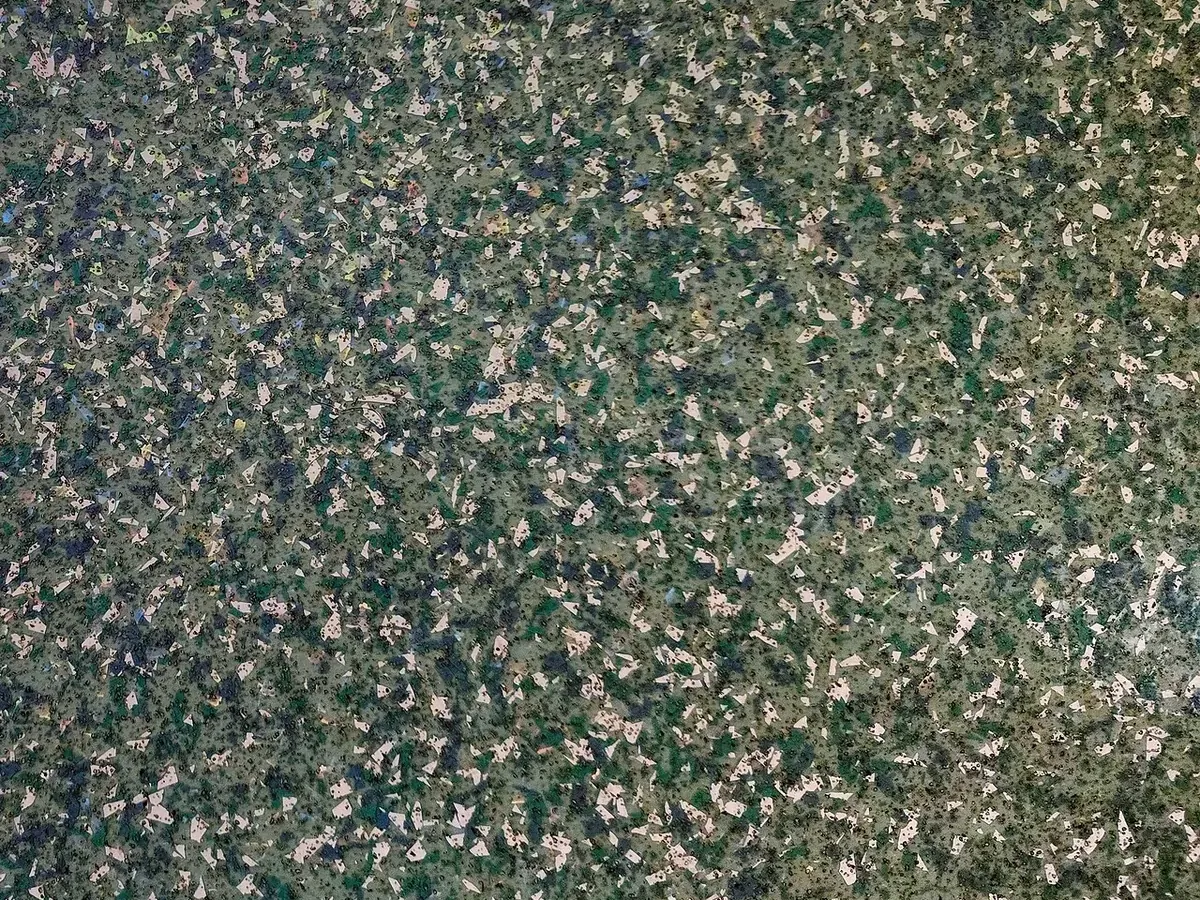
Photo: Acabashi, Wikimedia Commons, CC BY-SA 4.0
Quick Answer
The typical concrete coating cost in 2026 for an epoxy floor is about $4 to $10 per square foot installed, according to HomeGuide, or about $1 to $5 per square foot for materials if you do it yourself. This Old House puts professional epoxy at about $3 to $12 and DIY at about $2 to $5. A two-car garage of about 400 to 500 square feet usually costs roughly $1,600 to $5,000 to coat professionally. Flake, metallic and polyaspartic systems sit toward the upper end, and surface prep, crack repair and moisture problems can add more.
A coating turns a plain gray concrete floor into a sealed, easy-to-clean surface that resists stains, hot tires, chemicals and moisture. Garage floors are the most common use, but coatings are also popular in basements, workshops, laundry rooms, patios and commercial spaces. The price depends on the type of coating, how many coats, decorative flakes or metallic effects, and above all how much preparation the slab needs.
This guide covers concrete coating cost by type and by floor size, what is included in a professional coating, why preparation matters so much, DIY coating kits, how long coatings last, and how coatings compare with polished concrete and sealers. Price ranges come from HomeGuide and This Old House, listed in the sources.
Concrete Coating Cost at a Glance
| Coating | Typical cost per sq ft | Source / note |
|---|---|---|
| Epoxy coating, installed | $4 – $10 | HomeGuide |
| Epoxy materials only (DIY) | $1 – $5 | HomeGuide |
| Professional epoxy floor | $3 – $12 | This Old House |
| DIY epoxy project | $2 – $5 | This Old House |
| Flake (chip) systems | toward the upper end | More layers and labor |
| Metallic epoxy | toward the upper end | Decorative, skilled application |
| Polyaspartic / polyurea systems | usually more than basic epoxy | Fast cure, UV stable |
| Acrylic sealer | much less | Thin protective film, not a coating system |
Garage Floor Coating Cost by Size
| Garage | Approx. area | Professional ($4 – $10) | DIY materials ($1 – $5) |
|---|---|---|---|
| One-car | about 250 sq ft | $1,000 – $2,500 | $250 – $1,250 |
| Two-car | about 400 – 500 sq ft | $1,600 – $5,000 | $400 – $2,500 |
| Three-car | about 600 – 750 sq ft | $2,400 – $7,500 | $600 – $3,750 |
| Large shop | about 1,200 sq ft | $4,800 – $12,000 | $1,200 – $6,000 |
Concrete Coating Cost per Square Foot Explained
Why does one epoxy coating quote come in at $4 per square foot and another at $10? The difference is usually the coating system and the prep, not the size of the floor. A low concrete coating cost often means acid etching instead of grinding, one coat of water-based epoxy, and no topcoat. A higher price often includes diamond grinding, crack repair, a thick 100 percent solids epoxy coating or a polyaspartic base, full flake broadcast, and one or two clear topcoats with anti-slip additive. Those extra layers and steps add materials and labor, but they also add years to the floor. When you compare garage floor coating cost between contractors, ask each one to list the prep method, the products, the number of coats and the total thickness, so you can see what you are paying for.
Types of Concrete Floor Coatings
Epoxy
An epoxy coating is a two-part resin that bonds to concrete and cures into a hard, thick, chemical-resistant layer. It is the most common garage floor coating. Water-based epoxies are thinner and easier for DIY; 100 percent solids epoxies are thicker and more durable, and are usually applied by professionals. Many epoxies can yellow in direct sunlight, so a UV-stable topcoat is often added.
Polyaspartic and polyurea
Polyaspartic coatings cure much faster than epoxy, often allowing a garage floor to be coated in a single day, and they resist UV yellowing. They usually cost more than basic epoxy and require quick, skilled application because of their short working time.
Flake (chip) systems
In a flake floor coating, a base coat is applied and colored vinyl flakes are broadcast into it, then scraped and sealed with a clear topcoat. Flakes hide imperfections, add texture for grip, and give a speckled, granite-like look. They add material and labor, so they cost more than a solid-color coat.
Metallic epoxy
Metallic pigments in clear or tinted epoxy create swirling, three-dimensional effects. This is a decorative, artistic finish that depends heavily on the installer's skill and costs more.
Urethane topcoats
Urethane or polyurethane topcoats over epoxy add abrasion and UV resistance and can make the floor last longer.
Sealers and concrete paint
Acrylic sealers and concrete paints are cheaper but much thinner. They do not provide the same protection as an epoxy or polyaspartic system and need recoating more often. See how to seal concrete.
What Is Included in a Professional Coating
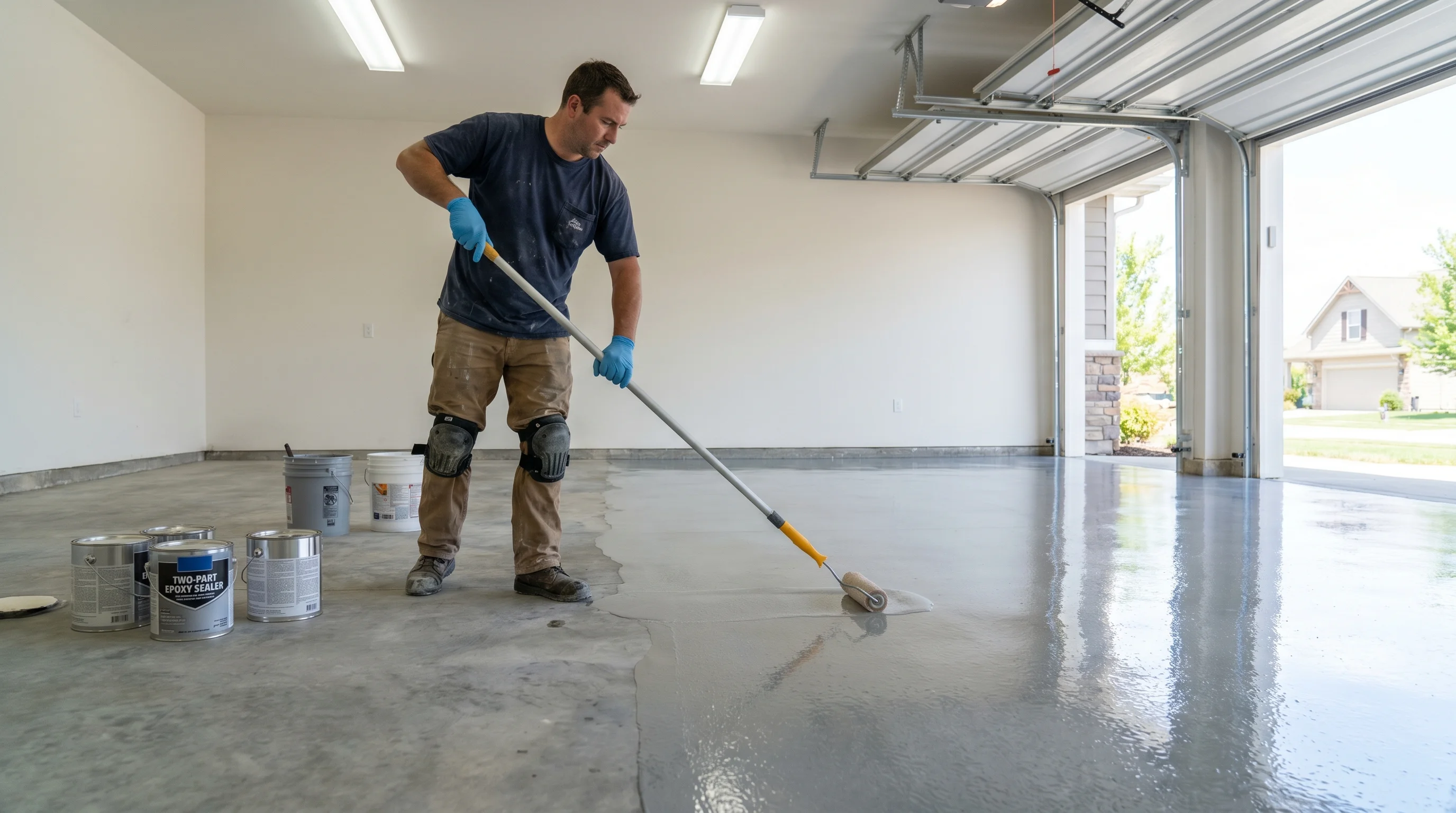
- Inspection and moisture test: moisture coming up through the slab is a leading cause of coating failure.
- Surface prep: diamond grinding or shot-blasting opens the concrete so the coating can bond; acid etching is a weaker, cheaper alternative sometimes used in DIY kits.
- Repairs: cracks, pits and spalls are filled; joints may be filled or honored.
- Primer or base coat: the first coat bonds to the concrete.
- Color coat and flakes: if part of the system.
- Topcoat: one or more clear coats for durability, gloss and UV resistance.
- Anti-slip additive: often mixed into the topcoat for grip.
- Cure time: foot traffic and vehicle return times depend on the product.
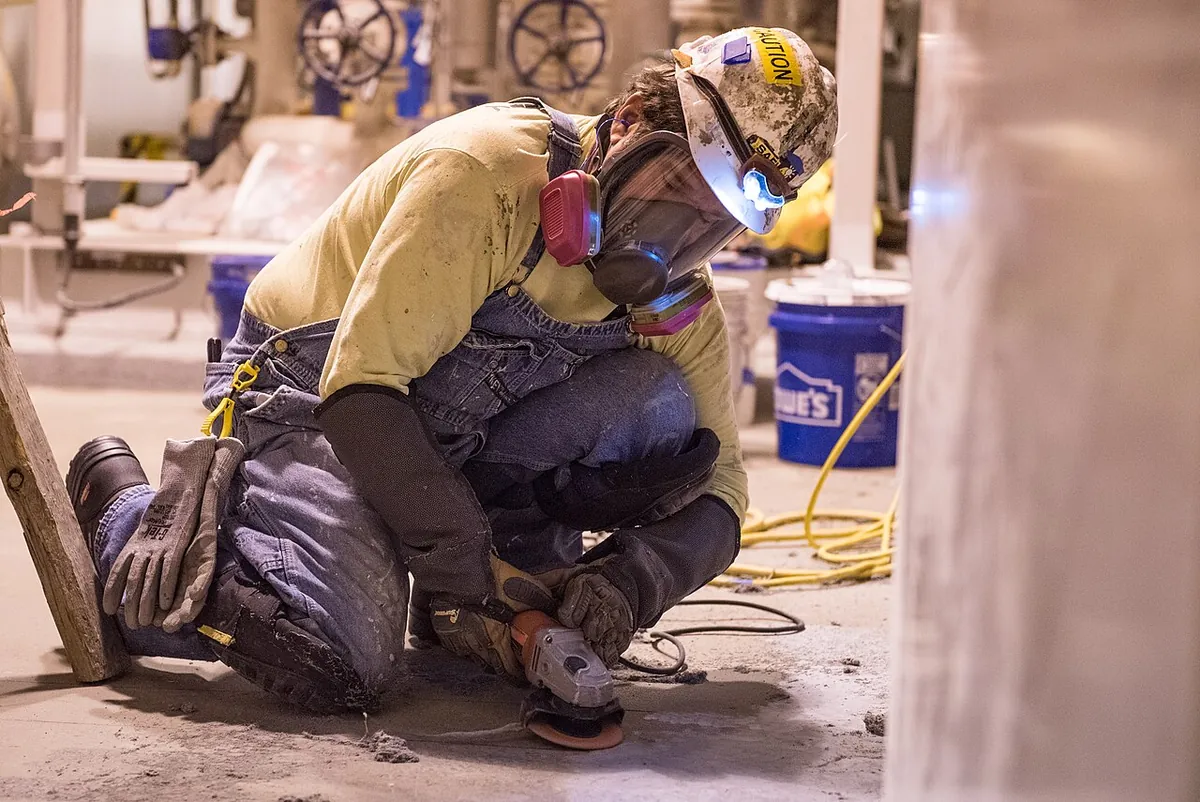
Photo: PEO ACWA, Wikimedia Commons, CC BY 2.0
Why Prep Is Most of the Job
Coating contractors often say that the coating is only as good as the prep, and it is true. Concrete has a thin, weak top layer called laitance, and many floors are also covered in oil, tire marks, old sealer, paint or curing compounds. A coating applied over that layer bonds to the dirt and weak surface, not to sound concrete, and it peels. The most reliable prep is diamond grinding or shot-blasting, which removes the top layer and leaves a rough, open surface that the coating can grip. Acid etching, common in DIY kits, cleans and roughens the surface somewhat, but it is less reliable, especially on dense or sealed concrete. Grinding takes professional equipment and dust control, which is one reason professional concrete coating cost is higher than a DIY kit, and also why professional floors usually last longer.
Moisture Testing and Vapor Problems
Moisture rising through a slab is the other major cause of coating failure, especially in basements and older garages without a vapor barrier. Water vapor collects under the coating, pushes it up into bubbles and breaks the bond. A simple first check is to tape a square of plastic sheet tightly to the floor for a day or two; condensation under it or darkened concrete suggests moisture. Professionals use calcium chloride or relative humidity tests for a measured answer. If moisture is high, a moisture-mitigating primer or a breathable coating system may be needed, which adds to the concrete coating cost, or the floor may be better suited to polishing or sealing. See polished concrete cost.
DIY Epoxy Kit: Step by Step
DIY kits are popular because they cut the concrete coating cost to the price of materials. To give a kit the best chance:
- Check the slab: test for moisture, and make sure the floor is at least about a month old if it is new concrete.
- Empty and clean: remove everything, scrape off debris, and degrease oil stains thoroughly; see how to remove oil stains from concrete.
- Profile the surface: rent a floor grinder if possible, or etch with the kit's etching solution, scrubbing and rinsing as directed.
- Repair: fill cracks and pits with an epoxy patch and let it cure.
- Dry completely: the slab must be fully dry before coating, often a day or more after rinsing.
- Mix in small batches: epoxy has a limited pot life once mixed. Follow the ratio exactly.
- Cut in edges with a brush, then roll the floor in sections, keeping a wet edge.
- Broadcast flakes into the wet coat if your kit includes them.
- Apply topcoat if the system includes one, with anti-slip additive.
- Wait before use: follow the label for foot traffic and especially for vehicles; hot tires on an under-cured coating cause peeling.
Hot Tire Pickup
When a car parks on a garage floor after driving, the hot tires soften some coatings and can pull them up as they cool, leaving peeled patches. Thin, water-based coatings and poorly bonded coatings are most vulnerable. Grinding prep, thicker 100 percent solids epoxy or polyaspartic systems, and full cure time before driving on the floor reduce the risk. If you have had problems with peeling garage paint, ask contractors specifically about hot tire pickup.
Coatings for Basements, Patios and Shops
Basements
Basement floors benefit from a concrete coating that is easy to clean and brighten the space, but moisture testing is essential. Where moisture is a concern, a breathable system or polished concrete may be safer.
Patios and pool decks
Outdoor coatings must handle sun, rain and temperature swings. Many epoxies yellow and chalk outdoors, so outdoor systems use UV-stable products, and textured finishes are needed for grip. Decorative overlays and sealers are more common outdoors; see concrete overlay cost.
Shops and commercial spaces
Workshops, warehouses and commercial kitchens use heavy-duty coating systems rated for chemicals, impact and cleaning. These are often thicker, multi-layer systems and are priced from detailed specifications.
Lifespan and Maintenance
A properly prepared, professionally installed coating can last many years in a residential garage, while thin DIY coatings may need touch-ups or recoating sooner. Sweep regularly to remove grit that scratches the surface, clean spills quickly, and use mild cleaners. Put mats under kickstands and jack stands to avoid gouges. Recoating with a fresh topcoat when the surface starts to wear can extend the life of the system without starting over.
Choosing Colors and Flakes
Light gray and tan are the most popular garage colors because they brighten the space and hide dust. Full flake broadcast floors, where the base coat is completely covered with flakes, hide dirt and imperfections best and give a textured, slip-resistant surface. Partial flake coverage costs less but shows more of the base color. Metallic finishes are dramatic in showrooms and basements but show scratches more. Ask to see full-size samples in daylight before deciding on a color.
Coating vs Polishing vs Sealing
| Option | Typical cost | Best for | Main drawback |
|---|---|---|---|
| Epoxy / polyaspartic coating | $4 – $10 per sq ft (epoxy, HomeGuide) | Garages, shops, colored floors | Can peel with poor prep or moisture |
| Polished concrete | $3 – $15+ per sq ft (HomeGuide) | Basements, living areas, retail | Shows cracks and patches |
| Penetrating sealer | much less | Outdoor slabs, simple protection | Little change in look; reapply |
Three Concrete Coating Cost Examples
DIY one-car garage
A homeowner coats a 250 square foot garage with a water-based epoxy kit, acid etching first. Materials and supplies run about $300 to $600.
Professional two-car garage with flakes
A 450 square foot garage is diamond ground, cracks are filled, and a full-flake polyaspartic system is installed in one day. At about $8 per square foot, the concrete coating cost is about $3,600.
Basement metallic epoxy
A 600 square foot basement with a dry slab receives a metallic epoxy finish with a urethane topcoat. At about $10 per square foot, the cost is about $6,000.
Hidden Costs in a Floor Coating Quote
- Removing old paint or coatings, which can take extra grinding passes.
- Crack and spall repair before the epoxy coating goes down.
- Moisture-mitigating primer if the slab is damp.
- Stem wall or curb coating around the garage edges.
- Joint filling or saw-cut joint treatment.
- Moving stored items, shelving and appliances out of the garage.
- Extra topcoats for heavy use or a higher gloss.
Ask for each item on paper so the final garage floor coating cost matches the quote you signed before any work began.
Epoxy Coating vs Garage Floor Tiles and Mats
Interlocking plastic garage tiles and roll-out mats are alternatives to a coated floor. Tiles snap together over the existing concrete, need no curing time, hide cracks and stains, and can be removed if you move. They are often more expensive than a DIY epoxy coating but can be installed in an afternoon with no prep beyond sweeping. Mats are the cheapest option for a parking area but do not cover the whole floor. An epoxy floor or polyaspartic coating gives a seamless, easy-to-clean surface that many people prefer for workshops and finished garages. Choose based on how you use the garage, how much prep you want to do, and whether moisture in the slab makes a coating risky.
Commercial vs Residential Coating Systems
Residential garage and basement coatings are designed for car tires, foot traffic, occasional chemical spills and moderate abrasion. Commercial and industrial systems, used in warehouses, auto shops, kitchens, labs and hospitals, are thicker and built for forklifts, constant cleaning, hot water and harsh chemicals. They may include mortar-thick epoxy, urethane cement or specialized resin layers and are usually specified by engineers or facility managers. They cost more per square foot on small areas but can be competitive on very large floors. For a home garage, a quality residential epoxy or polyaspartic system is usually all you need, even for a busy workshop.
Repairing a Damaged Coating
Small chips and scratches in an epoxy floor can often be cleaned, lightly sanded and touched up with matching coating and topcoat. Peeling areas should be ground back to sound coating and bare concrete before recoating, and the cause, usually moisture or poor prep, should be investigated so the repair does not peel too. Worn topcoats can be scuffed and recoated to restore gloss and protection, which costs much less than a new full concrete coating system and keeps the floor protected and looking good for more years.
Safety and Ventilation
Many coating products give off strong fumes while they are mixed and applied, and some are flammable. Ventilate the space well, turn off pilot lights and other ignition sources in the garage, wear gloves, eye protection and a respirator rated for the product, and keep children and pets away until the coating has cured. Read the safety data sheet and label for every component before you start. Professional installers manage these risks as part of the job, which is another reason a pro concrete coating cost is higher than DIY materials.
Coating a New vs Old Garage Floor
New concrete must cure before coating, often about a month, and should be tested for moisture first. New slabs are usually clean and smooth, so prep is simpler, but the dense surface still needs grinding or etching for a good bond. Old garage floors may have oil soaked deep into the concrete, salt damage, cracks and old coatings, all of which add prep time and raise the concrete coating cost. Very oily spots may need repeated degreasing or grinding out before an epoxy floor will stick.
Hiring a Coating Contractor
- Ask whether they grind or etch, and insist on grinding for the best bond.
- Ask whether they test for moisture and what they do if it is high.
- Ask for the system: number of coats, thickness, product type and topcoat.
- Ask how long before you can walk and drive on the floor.
- Ask about the warranty, especially against peeling and hot tire pickup.
- Ask to see floors they installed a few years ago.
Is a Concrete Coating Worth It?
For most garages, a professional epoxy coating or polyaspartic floor is worth it if you use the space for more than parking: a workshop, a home gym, storage or a showroom for a car. The coated floor is easier to sweep, resists oil and road salt, brightens the room and looks finished. For a garage that only holds a car and gets little attention, a penetrating sealer may be enough. A concrete coating is not worth it on a slab with serious moisture problems or active cracks until those are fixed, because the coating will fail. In basements, compare the concrete coating cost with polishing and other flooring before deciding.
Epoxy Garage Floor Cost by Region
Labor and demand change the epoxy floor price a lot. In large metro areas, there are many coating companies, but labor costs are higher. In smaller markets, there may be fewer specialists, and some charge travel fees. Prices also rise in spring and summer when demand peaks, and some products cannot be applied in cold weather, which limits winter work in unheated garages.
Budget Checklist
- Measure the floor and any stem walls you want coated.
- Check for moisture and note cracks, pits and oil stains.
- Decide between DIY epoxy, a professional epoxy coating and a polyaspartic system.
- Choose solid color, partial flake or full flake.
- Ask for grinding prep and a topcoat in every quote.
- Plan for the garage to be empty for one to several days.
- Compare the total garage floor coating cost, not just the price per square foot.
What Affects Concrete Coating Cost
- Coating system: single-coat epoxy is cheapest; flake, metallic and polyaspartic systems cost more.
- Prep method: grinding costs more than etching but bonds far better.
- Slab condition: cracks, pitting, oil stains and old coatings add work.
- Moisture: high slab moisture may require a moisture-mitigating primer or rule out some coatings.
- Size: small floors cost more per square foot.
- Edges and stem walls: coating the curb or stem wall adds labor.
- Region: labor rates vary.
Frequently Asked Questions
How much does a concrete coating cost?
Epoxy floor coatings cost about $4 to $10 per square foot installed, according to HomeGuide, or about $1 to $5 per square foot in materials for DIY.
How much does it cost to epoxy a two-car garage?
About $1,600 to $5,000 professionally for roughly 400 to 500 square feet, or about $400 to $2,500 in materials for DIY.
Is polyaspartic better than epoxy?
Polyaspartic cures faster and resists UV yellowing, often allowing one-day installs, but it usually costs more and is harder to apply. Epoxy is thicker and cheaper.
How long does a garage floor coating last?
A well-installed professional system on a properly prepared slab can last many years. DIY coatings over poorly prepared floors often peel within a few years.
Why do epoxy floors peel?
Usually because of poor surface prep, moisture coming up through the slab, or hot tires on a coating that was not fully cured.
What is the garage floor coating cost per square foot?
About $4 to $10 for a professional epoxy coating, according to HomeGuide, and more for decorative or polyaspartic systems. DIY materials run about $1 to $5 per square foot.
How long before I can park on a new epoxy floor?
It depends on the product. Many epoxies need several days before vehicles; polyaspartic coatings are often ready much sooner. Follow the installer's instructions for your specific product.
Does a concrete coating need a topcoat?
Many systems do. A clear topcoat adds wear and UV resistance and holds flakes in place. Some single-coat products are made to be used alone.
Can you put an epoxy coating over old paint?
Usually not. Old paint or sealer should be ground off so the epoxy coating can bond directly to the concrete.
Is polyaspartic coating cost worth the extra?
Often, if you want a one-day install, UV resistance in a sunny garage, or a tougher topcoat. For a basic garage floor coating on a budget, a well-prepped epoxy coating can be a good value.
How much does a garage floor coating cost compared with tiles?
A DIY epoxy coating usually costs less than interlocking garage tiles, while a professional epoxy floor coating can cost about the same or more, depending on the system.
Can a concrete coating go on a basement floor?
Yes, if moisture tests are acceptable. Damp basements may need a moisture-mitigating primer or a breathable system, or polished concrete instead of a coating.
How thick is an epoxy floor coating?
It varies from thin water-based coats to thick multi-layer systems. Thicker 100 percent solids epoxy coatings and flake systems last longer under vehicle traffic.
Is epoxy coating slippery?
A smooth, glossy epoxy floor can be slippery when wet. Anti-slip additives in the topcoat and flake finishes add grip.
Can I coat a concrete floor myself?
Yes, with a DIY kit, careful cleaning and etching or grinding, and patience. Professional systems with grinding usually last longer.
Sources
- HomeGuide, "How much does concrete coating cost?" homeguide.com
- HomeGuide, "How much does epoxy flooring cost?" homeguide.com
- HomeGuide, "How much does garage floor coating cost?" homeguide.com
- This Old House, "Epoxy floor cost." thisoldhouse.com
- Image credits: flake epoxy photo by Acabashi (CC BY-SA 4.0) and grinding photo by PEO ACWA (CC BY 2.0), via Wikimedia Commons. Garage image by Asphapro.com.
Prices checked November 2026. They are national ranges; local prices can be higher or lower.
Related Guides
- How to get blood out of concrete — enzyme cleaners and disinfecting
- How to get tire marks off concrete — degreasers and hot tire pickup
- How to remove paint from concrete — spray paint, epoxy and glue
- Can mold grow on concrete? — what kills it and drying a cellar
- Types of concrete finishes — broom, trowel, stamped, polished
- How to reseal concrete — sealer types and dry times
- How to use self leveling concrete — prep, pour and dry times
- Can concrete burn? — fire resistance and heat damage