
Fixing Broken Concrete Steps: How to Patch, Resurface or Replace Them
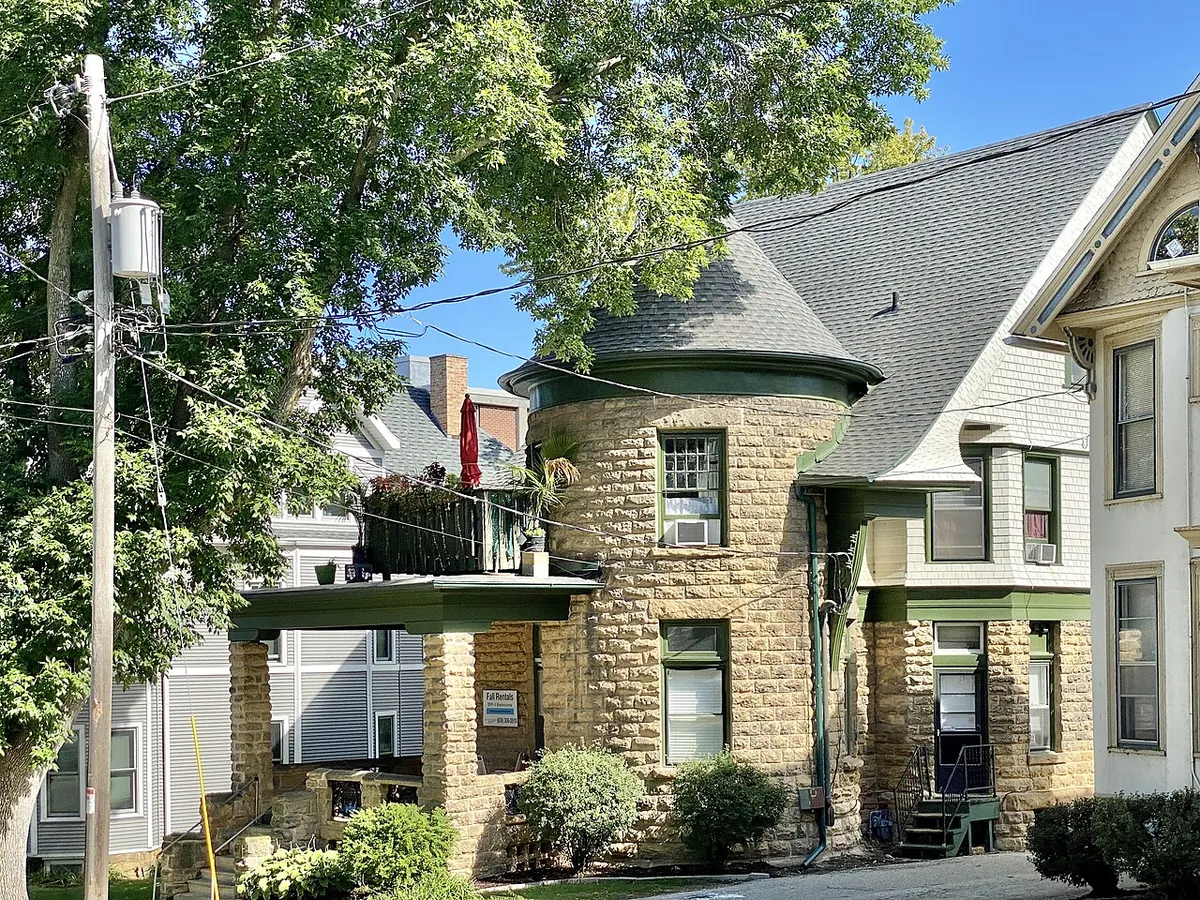
Photo: w_lemay, Wikimedia Commons, CC BY-SA 2.0
Quick Answer
Fixing broken concrete steps depends on the damage. Hairline and small cracks can be cleaned and filled with a concrete crack sealant. Chipped corners and broken edges are rebuilt by chipping back to solid concrete, setting a simple wood form, and packing in a vinyl concrete patcher or repair mortar. Worn, flaking treads can be renewed with a concrete resurfacer. Steps that sink, tilt or pull away from the house usually need lifting, resetting or replacement. Angi puts small crack filling at about $20 to $100 and larger patches at about $50 to $300 if you hire it out.
Concrete steps get heavy use and harsh weather, so they are often the first concrete around a house to show damage. The good news is that most problems, from small cracks to crumbling corners, can be fixed in an afternoon with a few products from a hardware store. The key is to match the repair to the damage, prepare the surface carefully, and know when the problem is deeper than the surface.
This guide covers fixing broken concrete steps step by step: patching concrete steps, repairing cracks and corners, resurfacing worn steps, adding concrete treads for steps, dealing with steps that sink or separate from the house, replacing concrete steps, and concrete step ideas for a fresh look.
First, Diagnose the Damage
| What you see | Likely cause | Best fix |
|---|---|---|
| Hairline cracks | Shrinkage, minor movement | Seal with crack filler |
| Wider cracks | Settling, freeze-thaw | Clean, rout and fill; check for movement |
| Chipped corners or nosings | Impact, freeze-thaw, salt | Rebuild with patcher or repair mortar and a form |
| Flaking or pitted treads | Salt, freeze-thaw, weak surface | Resurface the steps |
| Rust stains, cracked concrete over steel | Rusting rebar near the surface | Remove damaged concrete, treat steel, patch |
| Steps tilted or pulling away from the house | Soil settlement, water | Lift, reset or replace; fix drainage |
| Steps crumbling throughout | Old, failing concrete | Replace |
How to Fix Concrete Steps: Quick Guide by Problem
If you are short on time, this quick guide to fixing broken concrete steps matches each problem to a repair:
- Hairline cracks in concrete steps: clean and seal with a flexible crack filler. This is the easiest way to fix concrete steps before small cracks grow.
- Chipped concrete step corners: chip back, add screws for grip, form and rebuild with vinyl patcher or repair mortar.
- Broken step nosings: rebuild the front edge the same way, using a form board along the riser.
- Pitted or flaking concrete steps: repair loose spots, then resurface all the treads for an even look.
- Rust stains on concrete steps: expose and treat the steel before patching.
- Loose railings in concrete steps: reset posts in anchoring cement.
- Concrete steps pulling away from the house: fix drainage, then lift or reset the steps and seal the gap.
- Crumbling or badly broken concrete steps: replacing concrete steps is usually the best value.
Fixing broken concrete steps early, while damage is small, keeps repairs simple and cheap. Each winter of freeze-thaw cycles makes cracks and chips larger.
What You Need
- Safety glasses, gloves and a dust mask.
- Cold chisel, hammer, wire brush, stiff broom and shop vacuum.
- Concrete crack sealant (caulk tube or squeeze bottle) for cracks.
- Vinyl concrete patcher or repair mortar for corners and edges.
- Concrete resurfacer for worn treads.
- Bonding agent if the product calls for it.
- Scrap boards, stakes or bricks to hold a form; masonry screws for deep repairs.
- Margin trowel, finishing trowel and a small edger.
- Spray bottle or garden sprayer to keep repairs damp while curing.
Patching Cracks in Concrete Steps
- Clean the crack. Remove dirt, weeds and loose bits with a wire brush and screwdriver, then vacuum.
- Widen narrow cracks slightly with a chisel so the filler can grip, shaping the top into a small groove if needed.
- Fill. For cracks that move with temperature, use a flexible concrete crack sealant. For static cracks, a cement-based patching compound works.
- Smooth flush with the surface using a putty knife or trowel.
- Protect from rain and foot traffic for the time on the label.
For more on crack types and costs, see concrete repair cost and why concrete cracks.
Fixing Broken Concrete Steps: Corners and Edges
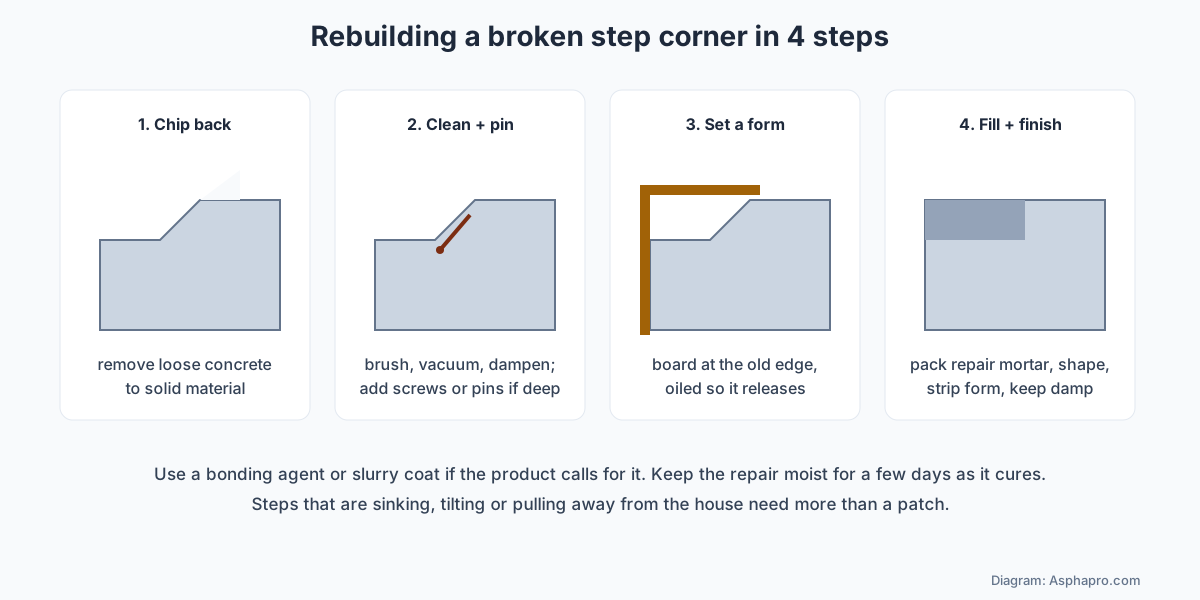
To repair broken concrete steps at the corners, you rebuild the missing piece with a patching mortar inside a simple form. Most broken edges come from shovels, freeze-thaw damage and salt, so a sealer afterward helps the repair last.
Chipped step corners and front edges (nosings) are the most common step damage. Here is how to rebuild them so the repair lasts:
- Chip back to solid concrete. Use a cold chisel and hammer to remove all loose and cracked concrete around the damaged area. Undercut the edges slightly so the patch locks in.
- Clean thoroughly. Brush and vacuum the area. Patches fail when they bond to dust.
- Add anchors for deep repairs. For corners deeper than about an inch, drive two or three masonry screws partway into the old concrete so the patch has something to grip.
- Set a form. Hold a board against the riser and another along the side, flush with the original edges. Brace them with bricks or stakes. Oil the boards so they release cleanly.
- Dampen and prime. Mist the old concrete so it is damp but not wet, and apply a bonding agent or slurry coat if the product calls for it.
- Pack in the patch. Mix vinyl concrete patcher or repair mortar to a stiff consistency and press it firmly into the area, building it up in layers if it is deep.
- Shape and finish. Strike it level with the tread, round the edge with an edger, and match the texture with a damp brush.
- Strip and cure. Remove the forms once the patch holds its shape, and keep the repair damp for a few days as it cures.
Resurfacing Worn or Flaking Steps
If the treads are scaled, pitted or stained but the steps are solid, a concrete resurfacer can make them look new. Resurfacers are cement-based products applied in a thin layer, often about 1/8 to 1/2 inch.
- Repair first. Fix cracks and rebuild broken corners before resurfacing.
- Clean deeply. Pressure wash to remove dirt, loose material, paint and sealer. Let the surface dry to damp.
- Mix in small batches; resurfacer sets quickly.
- Apply with a trowel or squeegee, working one step at a time, starting at the top.
- Add texture with a broom for grip once it starts to firm up.
- Cure as directed, and keep traffic off for the recommended time.
For larger areas such as a walkway and steps together, see concrete overlay cost.
Concrete Treads for Steps
Another option for worn steps is to cover the treads with new material. Precast concrete treads, stone or bluestone treads, and pavers can be mortared over the old treads, provided the steps are solid and the added height keeps every riser equal. Adding a tread raises each step, so the bottom riser gets taller and the top riser shorter unless every step is covered the same way. Plan carefully so all riser heights stay consistent; uneven steps are a trip hazard. Treads should overhang slightly and be set in a full bed of mortar so they do not rock or crack.
Steps That Sink, Tilt or Pull Away From the House
When steps tilt or leave a gap at the house, the soil under them has settled, often because water from a downspout or poor grading washed it out. Patching will not fix that. Options:
- Lift the steps with mudjacking or polyurethane foam, if they are solid. See concrete leveling cost.
- Reset precast steps by lifting them, rebuilding the gravel base and setting them back.
- Seal the gap at the house with backer rod and flexible sealant once the steps are stable.
- Replace steps that are broken apart or keep moving.
In all cases, fix the water source first: extend downspouts, regrade the soil, and seal the joint between the steps and the house.
Repairing Steps With Rusting Rebar
Rust stains, bulging concrete or cracks that follow a straight line on a step often mean the steel inside is rusting. Rust expands, pushing the concrete off the steel and causing more cracks and spalls. Patching over rusty steel does not last. The fix is to chip away the concrete around the steel until you reach clean, solid concrete and expose the bar fully, wire-brush the rust off, coat the steel with a rust-inhibiting primer made for rebar, and then rebuild the area with a repair mortar. If the bar is badly corroded or thin, it may need to be cut out and replaced with new steel tied in. Large or structural rust damage is a job for a contractor.
Fixing Loose Railing Posts
Railing posts set into concrete steps often loosen as water gets into the holes, freezes and cracks the concrete around the post. To fix a loose post, remove the railing if possible, chip out the old, cracked concrete or grout around the post base, clean the hole, and reset the post with anchoring cement or a hydraulic cement that expands slightly as it sets. Slope the top of the patch so water runs away from the post. For posts mounted with base plates and anchors, replace corroded anchors with new stainless or galvanized ones set in fresh holes. A solid railing is a safety item, so do not wait to fix it.
Closing the Gap Between Steps and the House
A small gap between steps and the house is common and lets water drain behind the steps, which leads to more settling and can affect the foundation. Once the steps are stable, clean the gap, push in foam backer rod to the right depth, and fill it with a flexible polyurethane sealant that can handle movement. If the gap is wide or the steps have tilted noticeably, lifting or resetting them comes first. Some contractors also pin steps to the foundation with steel dowels to keep them from moving away again, which requires drilling into the foundation and should follow local code.
Repairing Precast Steps
Precast steps can be patched the same way as poured steps, but some problems are unique to them. Precast units often sit on a gravel base rather than footings, so they are more likely to settle as one block and tilt. Resetting usually means lifting the unit with a machine, rebuilding and compacting the base, and setting it back level. Cracks through a precast unit can be sealed, but a unit cracked all the way through may need replacement. Rust stains from the steel inside precast steps can be repaired with the rebar method above.
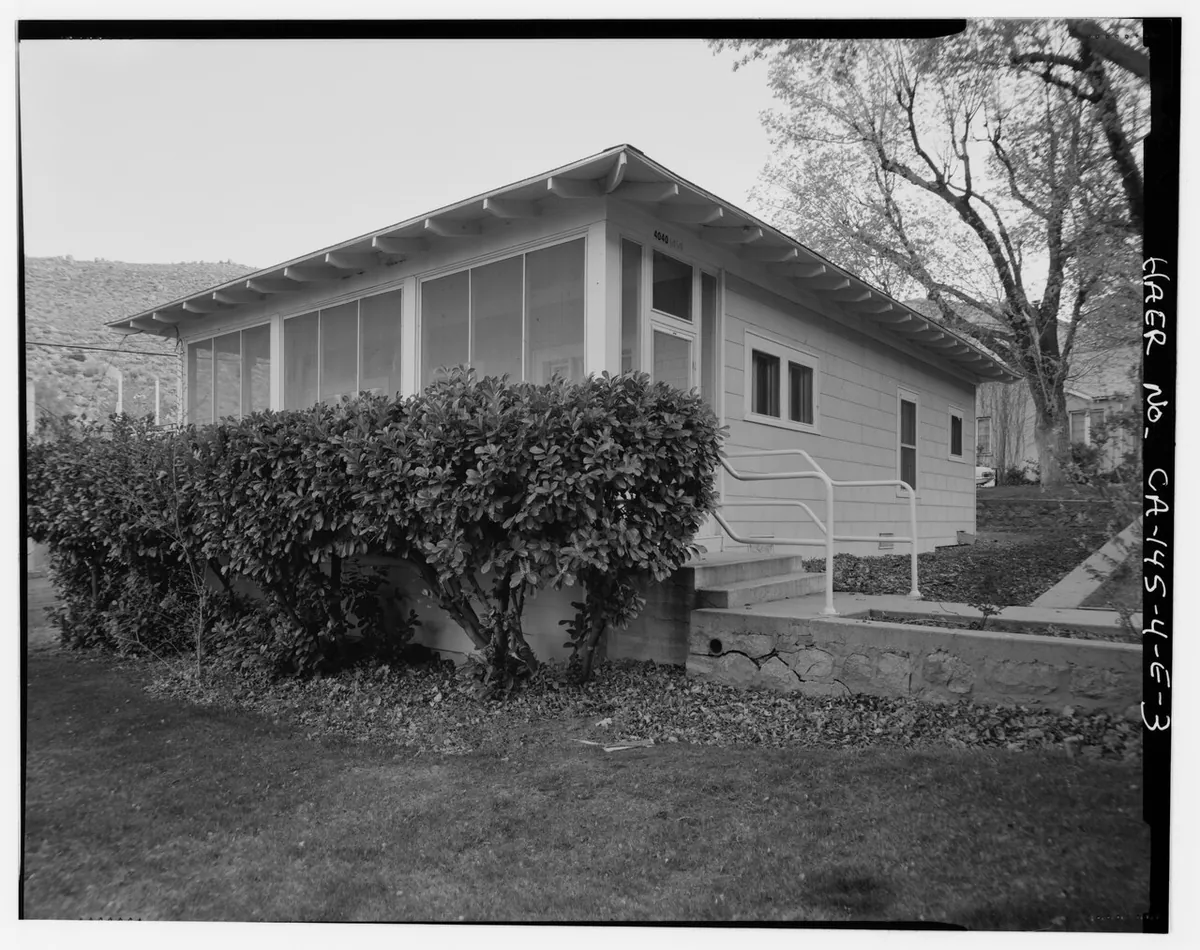
Photo: Gregory L. O'Laughlin, HAER, Wikimedia Commons, public domain
Sealing Steps After Repair
Once repairs have cured, a penetrating concrete sealer helps keep water and salt out of the steps, which slows freeze-thaw damage and keeps patches from popping loose. Choose a sealer made for exterior concrete and for foot traffic, and avoid glossy film-forming products that can be slippery when wet. Reapply every few years. See how to seal concrete.
Winter Care to Prevent Damage
Most step damage starts in winter. To prevent it, shovel snow before it is packed into ice, use sand or a de-icer labeled as safer for concrete, and avoid rock salt on steps less than a year old. Keep gutters clean and downspouts extended so meltwater does not run over the steps and refreeze. Chip ice gently with a plastic shovel instead of metal tools, which can break corners. See does salt damage concrete.
DIY or Hire a Pro?
Patching concrete steps is one of the most approachable concrete repairs. Crack filling, small corner rebuilds and resurfacing need only basic tools and a few bags or tubes of product. Hire a pro when the steps are sinking or tilting, when large sections are broken, when rebar is badly rusted, when railings are loose in failing concrete, or when the steps are tied into the foundation. Angi puts small professional crack filling at about $20 to $100 and larger patches at about $50 to $300, and HomeAdvisor cites an average step repair near $500, still far below the average replacement cost of about $3,500.
Common Mistakes When Patching Concrete Steps
- Patching over loose concrete. The patch falls off with the loose material underneath.
- Feathering patches too thin at the edges, where they chip and peel. Undercut and build up instead.
- Skipping cleaning. Dust and dirt keep patches from bonding.
- Using the wrong product. Rigid patch in a moving crack will crack again.
- Letting the patch dry too fast. Keep repairs damp while they cure.
- Ignoring water. If water keeps running onto the steps, damage will return.
- Changing riser heights unevenly with thick overlays or treads.
Choosing the Right Repair Product
Fixing broken concrete steps starts with the right product. Hardware stores carry several that look similar but do different jobs. Concrete crack sealants come in caulk tubes and squeeze bottles and stay flexible, which suits cracks that open and close with temperature. Vinyl concrete patchers are polymer-modified cement products that bond well in thin to medium layers and are easy to shape, making them popular for step edges. Repair mortars and structural repair mortars are stronger and can be built up thicker, often with a form, for large corners and deep holes. Resurfacers are designed to spread in thin, even coats over a whole tread. Hydraulic and anchoring cements set very fast and expand slightly, which makes them good for setting railing posts and plugging leaks, but they are hard to shape over large areas. Read the label for minimum and maximum thickness, temperature range, mixing ratio and working time, and buy a little more than you think you need so you do not run out mid-repair.
Matching Color and Texture
When patching concrete steps, new patches are usually lighter than the old concrete at first. To help them blend, try to match the texture of the surrounding steps with a damp brush, sponge or broom while the patch is still soft. Over time, weathering often softens the difference. If the concrete steps have many patches, resurfacing all the treads and risers gives a uniform color. Tinted resurfacers and concrete stains can also be used to even out the look once repairs have cured.
Working Safely
Wear safety glasses when chiseling, since concrete chips fly. Use gloves and long sleeves when mixing patch materials, which are alkaline and can irritate skin. Block off the steps while you work and while repairs cure, and use another entrance if possible. If you must keep using the steps, repair one side at a time.
Replacing Concrete Steps
Replacement makes sense when steps are crumbling throughout, badly cracked, unsafe, or keep sinking. You can choose precast steps, which are set in a few hours, or custom poured steps, which can be any size or shape. HomeGuide puts precast steps at about $100 to $350 per step and poured steps at about $200 to $500 per step. For full prices and options, see concrete steps cost. For removing the old steps, see how to remove concrete.
Fixing Broken Concrete Steps vs Replacing Them: Cost Comparison
| Approach | Typical cost | When it makes sense |
|---|---|---|
| DIY patching concrete steps | cost of patch products and tools | Small cracks and chips on solid steps |
| Professional crack filling | about $20 – $100 (Angi) | A few small cracks |
| Professional larger patching | about $50 – $300 (Angi) | Broken corners and edges |
| Average professional step repair | about $500 (HomeAdvisor) | Several repairs, resurfacing |
| Replacing concrete steps | about $3,500 average (HomeAdvisor) | Crumbling, unsafe or moving steps |
For most homes, fixing broken concrete steps is several times cheaper than replacing them. Replacement wins only when the steps keep failing or are unsafe. See concrete steps cost for replacement options.
A Weekend Plan for Fixing Concrete Steps
Most step repairs fit in a weekend. On the first day, inspect the concrete steps, chip out loose concrete, clean every crack and broken area, set forms, and rebuild corners and edges with repair mortar. Fill cracks with sealant. On the second day, after the patches have set, pressure wash the steps if you plan to resurface, let them dry to damp, and apply a resurfacer one step at a time. Broom the surface for grip. Keep the repairs damp and off-limits for the time on the label, then seal the concrete steps once they have cured. Planning the work in this order keeps each product working well with the next.
When to Call a Professional
Some step problems are beyond a weekend patch. Call a concrete or foundation contractor if the steps have dropped more than an inch or two, if they rock when you walk on them, if a large crack runs all the way through a step, if the steps are attached to a porch slab that is also cracking, or if water is getting into the basement near the steps. A professional can lift or reset the steps, tie them to the foundation where allowed, rebuild sections with rebar, or recommend replacement. Ask for a written explanation of the cause and how the repair addresses it, and compare at least two quotes. Getting expert help early can turn an expensive replacement into a moderate repair.
Concrete Step Ideas
- Resurface in a new color with a tinted resurfacer.
- Add stone or brick treads over solid steps.
- Install a metal or composite railing for safety and style.
- Add lighting in the risers or along the sides.
- Widen the bottom step into a landing for a more welcoming entry.
- Frame with planters or low walls on each side.
- Stamp new poured steps to match a stamped walkway.
Frequently Asked Questions
How do you fix broken concrete steps?
Chip away loose concrete, clean the area, set a form for corners and edges, and fill with vinyl concrete patcher or repair mortar. Seal cracks with crack filler and resurface worn treads.
What is the best product for patching concrete steps?
Vinyl concrete patcher or a polymer-modified repair mortar works well for corners and edges. Use flexible crack sealant for cracks and a resurfacer for worn treads.
Can you put new concrete over old concrete steps?
Thin resurfacers bond to sound steps. Adding a thick layer changes riser heights, so plan carefully, and do not cover steps that are moving or crumbling.
How much does it cost to fix concrete steps?
Angi puts small crack filling at about $20 to $100 and larger patches at about $50 to $300. HomeAdvisor cites an average step repair near $500.
When should concrete steps be replaced instead of repaired?
When they are crumbling throughout, badly broken, unsafe, or keep sinking and pulling away from the house.
How do you fix crumbling concrete steps?
Remove all loose and crumbling concrete down to solid material, rebuild with repair mortar, and resurface. If the steps crumble everywhere, replacing concrete steps is usually better.
How do you fix a chipped concrete step edge?
Chip back to sound concrete, add a few masonry screws for grip, hold a board against the riser as a form, pack in vinyl patcher or repair mortar, and finish the edge with an edger.
Can I fix concrete steps in cold weather?
Most patching products need temperatures above about 40 to 50°F while they cure. Check the label, and plan repairs for spring, summer or early fall.
How do I keep repaired concrete steps from breaking again?
Fix the water source, seal the repaired concrete steps, avoid rock salt, keep metal shovels off the edges, and repair new cracks as soon as they appear.
Do I need a permit to repair concrete steps?
Usually not for patching, sealing or resurfacing. Rebuilding or replacing steps, changing their size, or adding new railings may need a permit in some towns, so check with your local building department before you start the work.
Is patching concrete steps worth it?
Yes, when the steps are solid. Patching concrete steps costs a fraction of replacement and, done well, can last for years, especially if you seal the steps and control water.
Can I use regular concrete mix to fix broken concrete steps?
Regular mix works for deep repairs of about 2 inches or more. For thin patches, corners and edges, a vinyl patcher or polymer repair mortar bonds and shapes much better.
What are good concrete step ideas for an old entry?
Resurface in a new color, add stone or brick treads, install a modern railing, add step lighting or widen the bottom step into a landing.
How long does a concrete step repair take to cure?
Most patching products can take light foot traffic within a day, but follow the label and keep the repair damp for a few days for best strength.
Sources
- Angi, "How much does concrete step repair cost?" angi.com
- HomeAdvisor, "How much does concrete step repair cost?" homeadvisor.com
- HomeGuide, "How much do concrete steps cost?" homeguide.com
- Manufacturer instructions for vinyl concrete patchers, repair mortars and resurfacers.
- Image credits: front steps photo by w_lemay (CC BY-SA 2.0), via Wikimedia Commons. Diagram by Asphapro.com.
Follow product labels for mixing, application and cure times. Checked November 2026.
Related Guides
- How to get concrete splash off bricks — fresh splatter, lumps and haze
- Types of concrete anchors — plugs, screws, wedge and epoxy
- Why does concrete crack? — causes, joints and prevention
- Does salt damage concrete? — deicers, scaling and protection
- Can rats chew through concrete? — rodent entry points and termites