
Concrete Fence Posts: How Much Concrete per Post, Best Mix and Cold Weather Limits
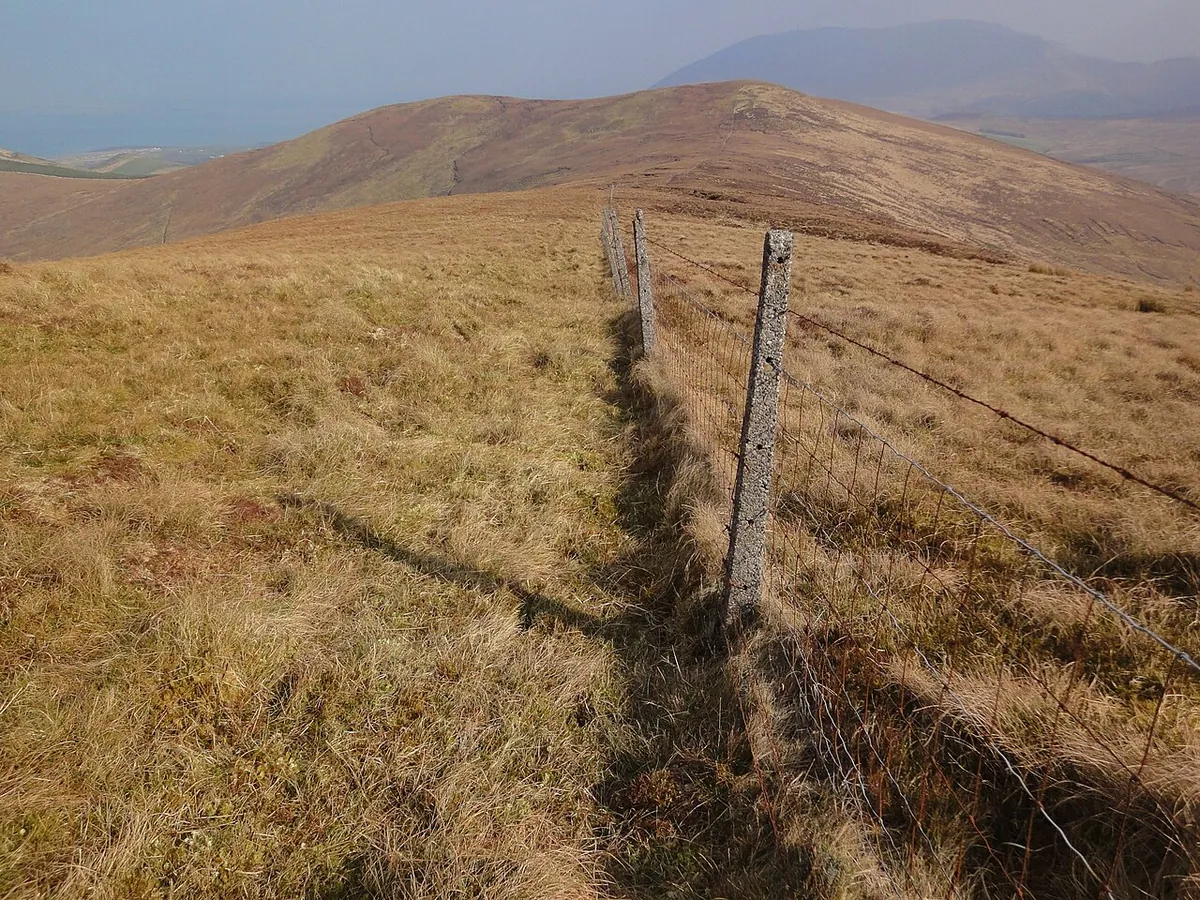
Photo: Keith Cunneen, Wikimedia Commons, CC BY-SA 2.0
Quick Answer
To set concrete fence posts, dig a hole about 3 times the post width (10 to 12 inches for a 4x4) and one third to one half as deep as the post's height above ground (2 to 3 feet for a 6-foot fence), add 4 to 6 inches of gravel, set the post plumb and fill with concrete, sloping the top away from the post. A 4x4 post in a 10-inch hole with 24 inches of concrete takes about 0.9 cubic feet, or about two 50-pound bags of fast-setting fence post concrete mix. Most mixes need 40°F (5°C) or warmer while placing and for the first day or two, which is the practical lowest temp for concrete posts without cold-weather measures. Never pour into frozen ground.
Few home projects use as much concrete in as many small batches as a fence. A 100-foot fence with posts every 8 feet needs 13 or 14 holes, each filled with a few bags of concrete. Get the hole size and mix right and the fence stands straight for decades. Get them wrong, and you see leaning posts after the first winter, gate posts that sag, and wood posts rotting at ground level.
This guide covers how to set fence posts in concrete, how much concrete for fence posts you need using a simple fence post concrete calculator, which fence post concrete mix to buy, cold weather limits including the lowest temp for concrete posts, how to keep wood posts from rotting, and how precast concrete posts compare.
Concrete Fence Posts: Two Meanings
"Concrete fence posts" can mean two things:
- Wood or metal posts set in concrete. The most common meaning in the U.S.: you dig a hole, set the post, and fill around it with fence post concrete.
- Posts made of concrete. Precast, reinforced concrete posts, very common in the UK and Europe and on farms worldwide, like the posts in the photos on this page. A concrete post fence of this kind does not rot and can last 30 years or more.
Most of this guide covers setting posts in concrete; precast concrete posts are covered near the end.
Post Hole Size and Depth
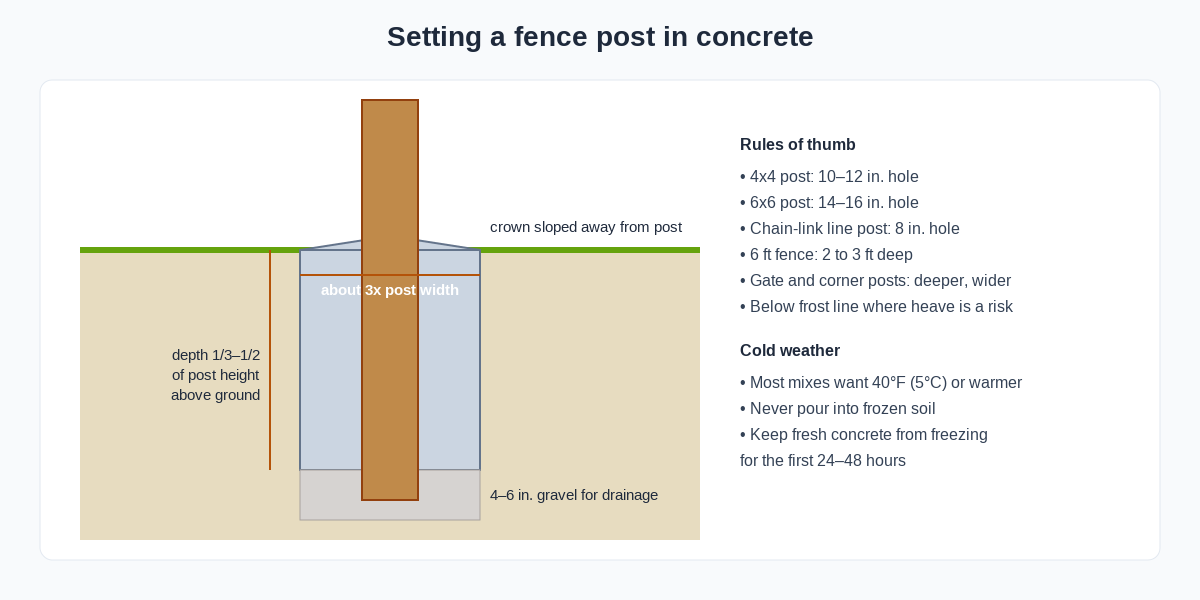
Two rules of thumb cover most residential fences:
- Width: about three times the width of the post. A 4x4 (3-1/2 inches) needs a 10- to 12-inch hole; a 6x6 (5-1/2 inches) needs about 14 to 16 inches; a 2-3/8-inch steel chain-link line post needs about 8 inches.
- Depth: about one third to one half of the post's height above ground. For a 6-foot fence, dig 2 to 3 feet; for a 4-foot fence, about 2 feet. Add 4 to 6 inches for the gravel base.
Gate posts and corner posts carry more load, so dig them deeper and wider, often 6 inches more in each direction. In cold climates, dig at least to the local frost depth for gate posts and for fences where heave is a problem. Call 811 before digging; buried utility lines often run along property lines.
Fence Post Concrete Calculator
A fence post concrete calculator, also called a post hole concrete calculator or post hole concrete estimator, does a simple subtraction: the volume of the hole minus the volume of the post.
Concrete (cubic feet) = 3.14 × (hole radius in feet)² × concrete depth in feet − (post width × post thickness in feet) × concrete depth.
Then divide by the yield of your bag: about 0.6 cubic feet for an 80-pound bag of standard mix, 0.45 for a 60-pound bag, and roughly 0.375 to 0.4 cubic feet for a 50-pound bag of fast-setting mix.
| Post and hole | Concrete depth | Concrete per post | 80 lb bags | 50 lb fast-setting bags |
|---|---|---|---|---|
| 2-3/8 in. steel post, 8 in. hole | 24 in. | 0.64 cu ft | 1–1.5 | 2 |
| 4x4 post, 10 in. hole | 24 in. | 0.92 cu ft | 1.5–2 | 2–3 |
| 4x4 post, 12 in. hole | 24 in. | 1.40 cu ft | 2–3 | 4 |
| 4x4 post, 12 in. hole | 30 in. | 1.75 cu ft | 3 | 5 |
| 6x6 post, 16 in. hole | 30 in. | 2.97 cu ft | 5 | 8 |
Example: a 6-foot privacy fence, 100 feet long, with posts every 8 feet needs 14 posts. With 4x4 posts in 10-inch holes and 24 inches of concrete, that is 14 × 0.92 = about 13 cubic feet, or about 22 bags of 80-pound mix or 35 bags of 50-pound fast-setting mix. Add a few extra bags for gate posts and uneven holes. As a concrete calculator, fence post jobs like this are where buying by the pallet saves money; see how many bags of concrete on a pallet and how much a bag of concrete costs.
Best Concrete for Fence Posts
Fast-setting fence post concrete mix
Fast-setting mixes are made for setting posts. They contain cement, sand and gravel with accelerators, and most set hard enough to hang rails in 20 to 40 minutes and to hold the post upright in a few minutes. Many are designed to be poured dry into the hole around the post, then soaked with water. They are the easiest concrete for fence posts and the most popular with homeowners. They cost a little more per cubic foot than standard mix.
Standard or high-strength concrete mix
Regular bagged concrete mixed in a wheelbarrow or mixer to a stiff, oatmeal-like consistency gives the strongest result and costs less per cubic foot. It takes longer to set, so posts need bracing for a day before you hang heavy panels or gates. It is the better choice for gate posts and large posts.
Is "fence post cement" the same thing?
People often ask for fence post cement or cement for fence posts, but cement is only the powdered binder. On its own, or mixed only with water, it shrinks and cracks. What you want is concrete: a fence post cement mix that already includes sand and gravel. See what concrete is made of for the difference.
Dry-pour vs wet mix
Pouring dry mix into the hole and adding water works well with fast-setting products made for it. With standard mix, dry-pouring is common and holds posts, but the concrete is weaker and less uniform than properly pre-mixed concrete, because the water does not reach all the dry mix. For gate posts and anything carrying weight, pre-mix standard concrete.
How to Set Fence Posts in Concrete
- Mark the line with stakes and string, and mark each post location. Set corner and end posts first.
- Dig the holes with a post hole digger or auger to the right width and depth, slightly wider at the bottom than the top if possible, which resists frost lifting.
- Add 4 to 6 inches of gravel and tamp it. The gravel lets water drain from the bottom of the post.
- Set the post on the gravel, check the height against the string, and plumb it on two adjacent faces with a post level.
- Brace the post with two scrap boards screwed to stakes.
- Fill with concrete to about 2 inches below the soil surface, or to just above it if you want a visible collar, tamping with a stick to remove air pockets.
- Crown the top so it slopes away from the post, shedding water instead of letting it pool against the wood.
- Check plumb again before the concrete sets.
- Wait before loading: about 4 hours for fast-setting mixes and 24 to 48 hours for standard concrete before hanging heavy panels or gates.
Many builders leave the top 2 to 3 inches of the hole for soil or gravel, so the concrete is hidden and grass grows to the post. Others prefer a concrete collar above grade, sloped to shed water. Either works if the top is sloped and the wood is protected. Whichever you choose, keep the finish consistent along the whole fence line.
Lowest Temp for Concrete Posts
Concrete gains strength through a chemical reaction that slows sharply in cold weather and stops near freezing. Water in fresh concrete that freezes expands and can permanently weaken it. That is why the lowest temp for concrete posts is a common question every fall.
- Typical limit: most bagged concrete and fast-setting post mixes call for air, ground and material temperatures of at least 40°F (5°C) during placement and for the next 24 to 48 hours. Check the bag.
- Below 40°F: concrete sets much more slowly. Fast-setting mixes may take hours instead of minutes.
- At or below freezing: do not set posts unless you can keep the concrete above freezing until it gains strength. The American Concrete Institute considers concrete safe from a single freeze once it reaches about 500 psi, which takes a day or more in cold weather.
- Never pour into frozen ground or onto ice in the hole. When the soil thaws, the post settles.
Setting posts in cold weather
- Pick a mild stretch of days and pour in the warmest part of the day.
- Store bags indoors so the mix starts warm; use warm (not boiling) water.
- Cover each hole with an insulated blanket, straw or a bucket and blanket for the first day or two.
- Consider gravel-only setting for line posts in winter and add concrete collars in spring.
- Expanding foam post-setting products are an option for lighter fences in cool weather; check their temperature limits too.
For more on cold and curing, see how long concrete takes to cure.
Keeping Wood Posts From Rotting in Concrete
Wood posts set in concrete often rot at ground level, where air, water and fungi meet. The concrete itself does not rot the wood, but it can trap water against it. To make wood concrete fence posts last:
- Use ground-contact rated pressure-treated lumber (labeled for ground contact, often UC4A or UC4B), not above-ground lumber.
- Put gravel under the post so water drains from the end grain.
- Crown the concrete so water runs away from the post.
- Treat cut ends with a copper naphthenate end-cut preservative if you cut a post to length.
- Consider steel posts or post brackets: steel line posts in concrete, or wood posts on metal brackets set in or bolted to concrete, keep wood out of the ground entirely.
Even with care, wood posts in concrete may need replacement in 15 to 25 years. Steel posts or precast concrete posts last longer.
Attaching a Post to Concrete You Already Have
Sometimes the fence runs over an existing patio, driveway or wall. To fasten a post to concrete that is already there, use a surface-mount post base or a fence post base bolted down with wedge or epoxy anchors, or core-drill a hole and set a steel post in anchoring cement. See our guide to concrete post bases. For metal fence posts, concrete core drilling gives the cleanest result on walls and curbs.
Precast Concrete Fence Posts
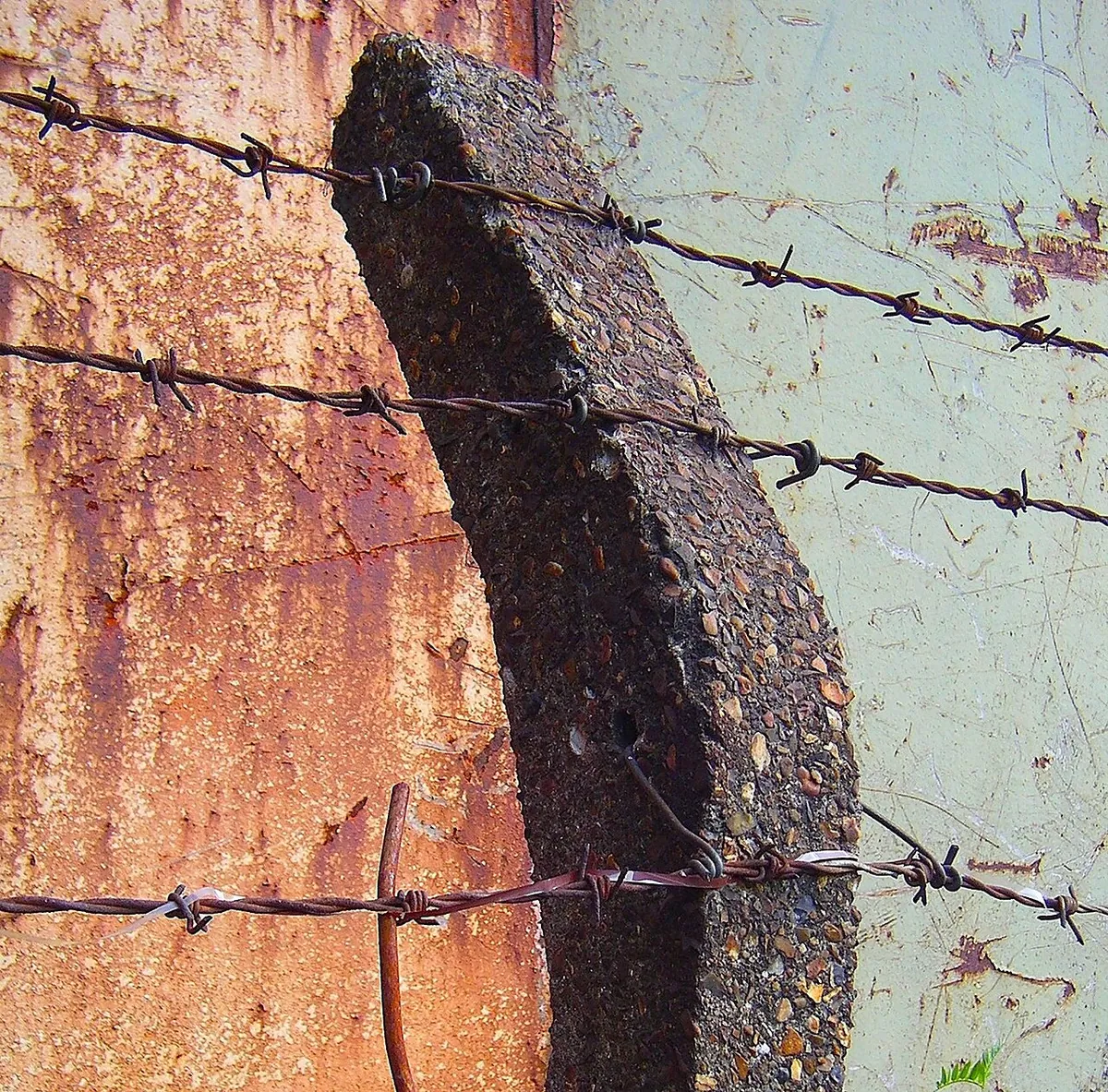
Photo: Digitura, Wikimedia Commons, CC0.
Precast concrete posts are cast in molds with steel reinforcing wire or bars. Common types are slotted posts that hold fence panels and concrete gravel boards, mortise posts for rails, and plain posts with holes or staples for wire fencing. They are heavy, often 50 to 130 pounds for a residential 8-foot post, but they do not rot, burn or get eaten by insects, and they last for decades. Concrete posts are set in holes like wood posts, usually in concrete or a well-compacted mix of gravel.
The drawbacks are weight, which makes them hard to handle and install alone, a plain look that not everyone likes, and difficulty cutting or drilling them. Cracked or broken concrete posts usually need to be replaced, since repairs rarely hold.
Using a Concrete Post Calculator for Different Fences
A concrete post calculator is only as good as the numbers you give it. Typical inputs for common fences:
- Chain-link: 2-3/8-inch terminal and 1-5/8- to 1-7/8-inch line posts, 8-inch holes for line posts and 10-inch holes for terminal posts, about 24 to 30 inches deep, posts every 10 feet.
- Wood privacy fence: 4x4 posts in 10- to 12-inch holes, 2 to 3 feet deep, posts every 6 to 8 feet; 6x6 posts at gates.
- Split rail: often set in tamped soil and gravel; concrete only at ends and corners.
- Vinyl fence: 5x5 hollow posts in 10- to 12-inch holes, often filled with concrete at gates and corners and sometimes reinforced with steel inside the post.
- Ornamental aluminum or steel: 2-inch posts in 8-inch holes, about 24 inches deep.
Count posts by dividing the fence length by the post spacing and adding one, plus extra for gates and corners. Multiply by the concrete per post from the table above and add 10 percent.
Choosing a Fence Post for Concrete Setting
Not every fence post for concrete setting behaves the same way:
- Treated wood: the most common. Use ground-contact posts, gravel under the post and a sloped crown, and expect 15 to 25 years.
- Galvanized steel: chain-link and many wood-look fences use steel posts set in concrete. They do not rot, and concrete holds them very well. Cap the tops so water does not fill them.
- Vinyl: hollow posts usually slide over a concrete-set wood or steel insert at gates, or are filled with concrete at key posts.
- Precast concrete posts: the longest-lasting option for panel and wire fences, covered below.
Gate Posts: Where Concrete Matters Most
A gate is a lever. A 4-foot gate hanging on a post pulls the top of the post toward the gate every time it swings and every hour it hangs. That is why gate posts lean first. For each gate concrete fence post:
- Use a 6x6 wood post or a heavier steel post.
- Dig deeper and wider: often 3 to 4 feet deep and 14 to 16 inches across, below the frost line in cold climates.
- Use pre-mixed standard concrete for fence post holes at gates rather than dry-poured mix, for full strength.
- Let the concrete for fence post holes at gates cure at least 2 to 3 days before hanging the gate.
- Add a diagonal brace or a cable and turnbuckle on wide gates, and consider a drop rod or wheel for very wide ones.
Replacing a Broken Post Set in Concrete
When a wood post rots off at the ground or a car hits a fence, the old concrete footing is still in the ground. Options:
- Pull the whole footing. Dig around it, then lever or jack it out with the post stub. A farm jack and a chain around the post work well. Then dig a fresh hole and set a new post.
- Drill or chisel out the stub. Cut the post flush, drill a ring of holes in the old wood, and break it out with a chisel, leaving a concrete sleeve. Set the new post in the sleeve with fast-setting mix.
- Set a new post beside the old one. Often easiest; shift the post location a few inches and adjust the rails.
- Use a post repair spike or bracket. A steel spur driven next to the stump or bolted to it can hold the post temporarily.
For breaking out concrete, see how to remove concrete.
Soil Types and Fence Posts
The soil around the hole matters as much as the concrete in it. In firm clay and dense soil, a concrete footing grips well and resists leaning, but clay holds water and can heave in frost; gravel at the bottom and a hole slightly wider at the bottom help. In sandy soil, holes cave in as you dig and posts can wobble; wider holes and full concrete footings are worth it, and a section of cardboard tube can keep the sides from collapsing while you pour. In rocky ground, an auger stalls and a digging bar is your best friend; you may need to shift a post a few inches to miss a boulder. In wet, low ground, set posts deeper, use plenty of gravel and slope the concrete crown so water runs off quickly. On slopes, keep posts plumb even though the ground is not, and step or rack the fence panels to follow the grade.
Tools and Materials Checklist
- Post hole digger or rented power auger, digging bar and shovel.
- String line, stakes, line level and tape measure.
- Post level, scrap boards and screws for bracing.
- Gravel for the hole bottoms.
- Concrete: fast-setting fence post mix or standard bagged concrete, with a wheelbarrow and hoe or a small mixer.
- Water bucket or hose, a stick for tamping, and a trowel to crown the tops.
- Gloves and eye protection; cement is caustic.
Order a few more bags than the calculator says; holes are rarely perfect cylinders, and running out halfway through a post is worse than returning unopened bags. Line up a helper for a long fence. One person can hold and plumb a post while the other pours, which goes much faster than working alone.
What Concrete Fence Posts Cost
- Fence post concrete: about $6 to $10 per 50-pound bag of fast-setting mix, or $5 to $8 per 80-pound bag of standard mix. Expect roughly $10 to $25 of concrete per typical post.
- Gravel: a few dollars per post.
- Auger rental: about $60 to $150 per day for a one- or two-person auger.
- Pro post setting: fence contractors often charge about $30 to $80 per post to dig and set in concrete, more in rocky soil.
- Precast concrete posts: about $20 to $60 each for common slotted or wire-fence posts, plus delivery.
For a 100-foot fence with 14 posts, concrete for fence posts usually adds only $150 to $350 to the project, a small part of the total cost of the fence, so there is little reason to skimp on hole size.
When to Hire a Fence Contractor
Setting a handful of posts is a weekend job. Hire a contractor for long fences, rocky or root-filled ground, steep slopes, tall privacy fences in windy areas, and heavy gates or automated gate posts that need designed footings. Ask how deep they set posts and what mix they use before you sign. Contractors have hydraulic augers that drill a clean hole in seconds and set dozens of concrete fence posts in a day.
Common Mistakes Setting Fence Posts
- Holes too narrow, leaving a thin shell of concrete that cracks.
- Holes too shallow, so posts lean in wind or heave in frost.
- Concrete filled flush to the top with a flat or dished surface that holds water against the post.
- No gravel at the bottom, so the post end sits in water.
- Posts not braced, so they drift out of plumb as the concrete sets.
- Setting in freezing weather or into frozen ground.
- Hanging gates too soon on standard concrete.
Frequently Asked Questions
How much concrete per fence post?
About 0.9 cubic feet for a 4x4 in a 10-inch hole with 24 inches of concrete: two 50-pound fast-setting bags or about 1.5 bags of 80-pound mix.
What is the lowest temp for concrete posts?
Most mixes need 40°F (5°C) or warmer during placement and for the first day or two. Below that, protect the concrete from freezing or wait for warmer weather.
Do you need gravel under concrete fence posts?
It is a good idea. 4 to 6 inches of gravel at the bottom drains water from the post end and helps prevent rot.
Is fast-setting concrete good for fence posts?
Yes. It is made for posts, sets in minutes and can be poured dry and soaked. Use standard mix for heavy gate posts if you want maximum strength.
How long before I can attach fence panels?
About 4 hours with fast-setting mix and 24 to 48 hours with standard concrete.
How deep should a concrete fence post be?
One third to one half of its height above ground, so 2 to 3 feet for a 6-foot fence, and deeper for gate and corner posts or where frost is deep.
Can I set fence posts without concrete?
Yes. Tamped gravel or crushed stone holds line posts well in many soils and drains better. Use concrete at gates, corners and in soft soil.
Sources
- American Concrete Institute: ACI 306 cold weather concreting
- Portland Cement Association: cold weather concreting basics
- American Wood Protection Association: use categories for treated wood
- Call 811: know what's below before you dig
Related Guides
- Cement vs concrete — the difference explained
- Concrete mixing ratio — 1:2:3 mix, water ratio and calculator formula
- How to make concrete — mixing in a bucket, wheelbarrow or mixer
- Calcium chloride in concrete — accelerators, risks and rapid set options
- Concrete blankets — insulated and curing blankets
- Dry pour concrete — when pouring dry mix works and when it fails
- Concrete mixer rental cost — mixer and buggy rental prices
- How to remove concrete anchors — wedge, sleeve, screw and epoxy anchors
- Sonotube concrete calculator — bags per tube, sizes and pouring piers
- Concrete bolts — expansion, lag and anchor bolt sizes
- Concrete fence — panel, poured and block fences
- Concrete column — columns, rebar, forms and poles
- 80 lb bags of concrete — yield, price and how many bags you need
- Sakrete concrete mix — High Strength, 5000 Plus and Fast Setting compared