
Concrete Tub Guide: Concrete Bathtubs, Weight, Sealing, Bathroom Ideas and Cost
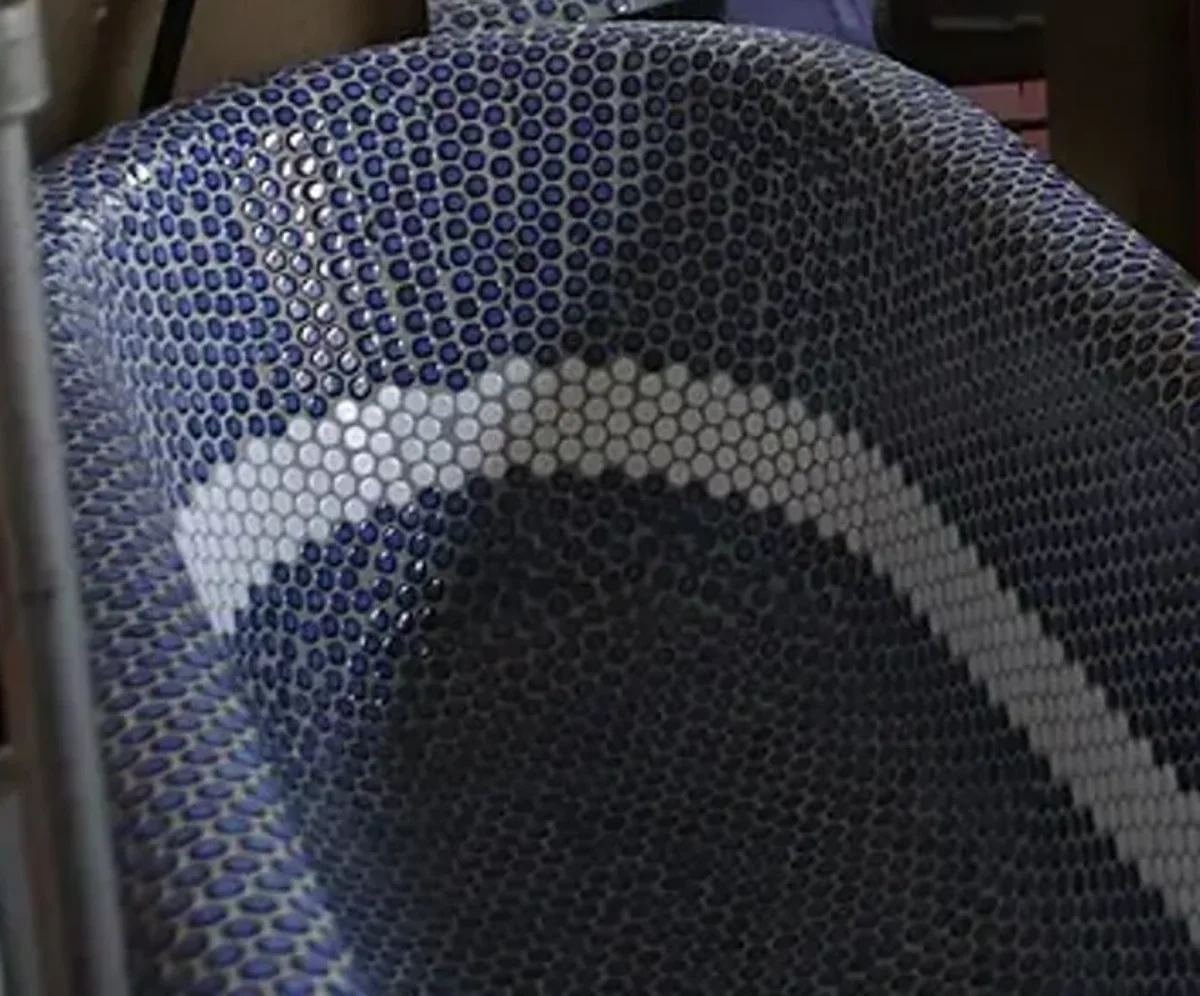
Photo: Manuel Schmalstieg, Wikimedia Commons, CC BY 3.0 (cropped)
Quick Answer
A concrete tub is a bathtub cast from concrete, either a thin, lightweight GFRC (glass fiber reinforced concrete) shell or a heavier solid cast tub, sealed inside so it holds water without staining. Concrete bathtubs are custom, sculptural and very durable, and they hold heat well once warm. A GFRC tub typically weighs 250 to 600 pounds empty and a solid cast tub 800 to 2,500 pounds, so the floor must be checked before installing one on an upper level. The sealer needs renewing every few years. Expect to pay about $3,000 to $10,000 for a GFRC concrete tub and $5,000 to $20,000 or more for large solid or cast-in-place concrete tubs, plus installation.
Concrete has moved from the basement and the driveway into the most personal room in the house. Polished concrete floors, concrete sinks, microcement walls and concrete tubs are now a familiar part of modern, industrial, minimalist and spa-style bathrooms. A concrete tub can be any shape: a deep soaking box, a rounded freestanding oval, a tub built into a concrete platform, or a hand-formed shell finished with mosaic tile like the one in the photo above, which was built on site and covered in penny tile.
This guide explains how concrete bathtubs are made, the difference between GFRC and solid cast tubs, weight and floor support, sealing and maintenance, comfort and heat retention, installation, building one yourself, ideas for a concrete bathroom, and what concrete tubs cost compared with acrylic, cast iron and stone resin.
What Is a Concrete Tub?
A concrete tub is a bathtub made from cement, sand, fine aggregate, water and reinforcement, cast in a mold or formed by hand, then cured, finished and sealed. Unlike acrylic and fiberglass tubs, which are thin plastic shells, or cast iron tubs, which are coated with enamel, concrete bathtubs are made of a porous mineral material. On its own, concrete absorbs water and stains from soaps, oils and bath products, so every concrete tub depends on a high-quality sealer to make the surface water resistant and easy to clean.
Concrete tubs are usually made to order by specialist fabricators, who also make concrete sinks, countertops and furniture. Some offer standard models in a range of sizes and colors; others design one-off tubs to fit a particular bathroom. A smaller number of concrete bathtubs are cast in place, built right in the bathroom as part of a concrete floor or platform. See concrete countertops and concrete sink.
GFRC vs Solid Cast Concrete Bathtubs
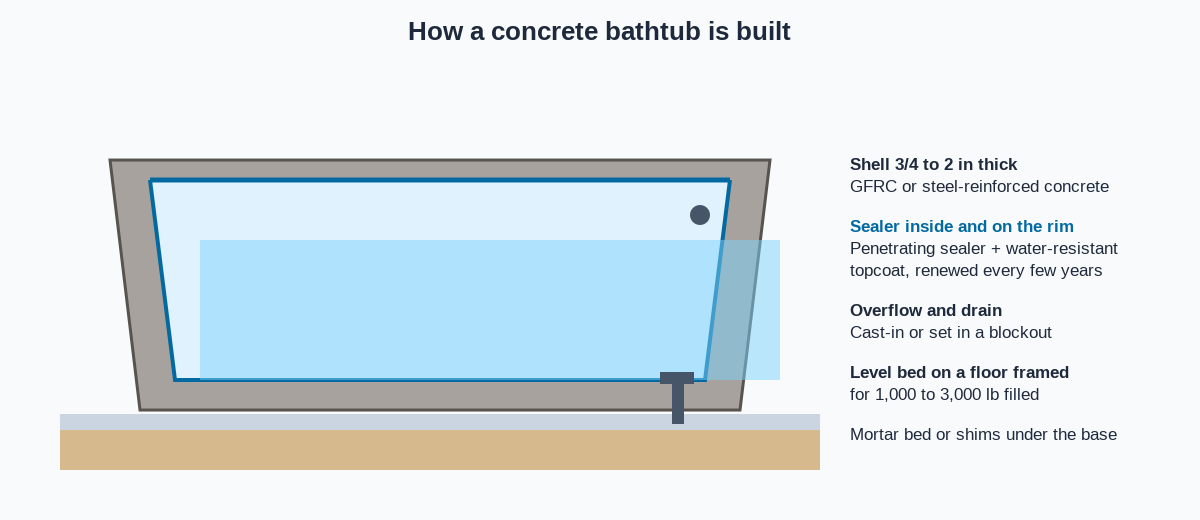
Most modern concrete tubs are made of GFRC, glass fiber reinforced concrete. GFRC is a mix of cement, fine sand, polymer and alkali-resistant glass fibers, sprayed or packed into a mold in layers about 3/4 to 1 inch thick. The fibers give the thin shell high strength in bending, so the tub can be much lighter than a solid concrete casting while still being stiff and crack resistant. A GFRC concrete tub of normal size typically weighs 250 to 600 pounds empty, comparable to a cast iron tub. GFRC also allows crisp edges, thin rims and smooth surfaces. See glass fiber reinforced concrete.
Solid cast concrete bathtubs are made by pouring a conventional or high-performance concrete mix, reinforced with steel mesh, rebar or fibers, into a two-part mold. The walls are typically 1.5 to 3 inches thick, and the tub can weigh 800 to 2,500 pounds or more. Solid cast tubs have a heavy, monolithic look and great durability, but the weight limits where they can go. Cast-in-place concrete tubs built into the bathroom floor, often in ground-floor or slab-on-grade bathrooms, are the heaviest and most permanent of all.
Whichever method is used, the concrete in concrete tubs is designed to be dense and low in permeability, with a low water-cement ratio, admixtures to improve workability and strength, and careful curing to minimize cracking. See high-strength concrete and concrete admixtures.
Weight and Floor Support
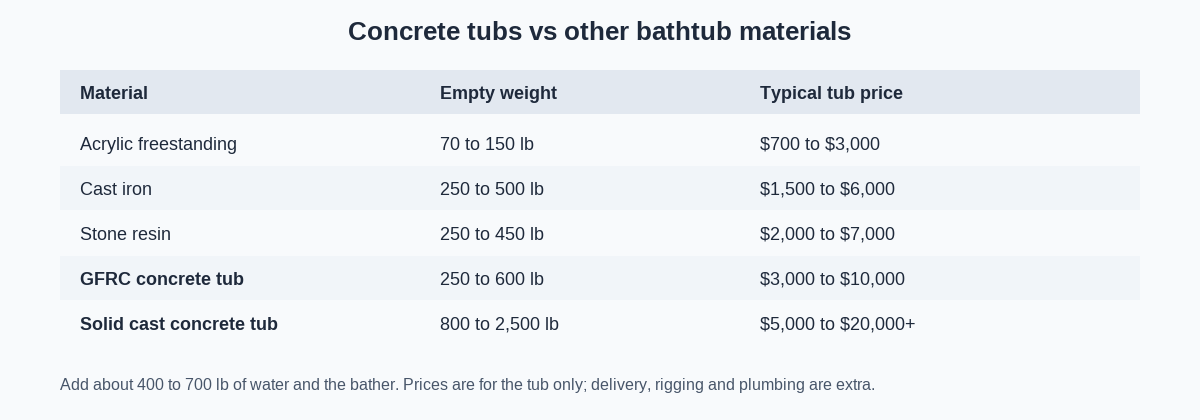
Weight is the biggest practical consideration with concrete tubs. As the chart shows, a GFRC concrete tub is in the same range as cast iron, while a solid cast tub can be several times heavier. On top of the tub's own weight, a full bath adds 400 to 700 pounds of water plus the bather, all concentrated in an area of about 15 square feet. A filled solid concrete tub can put 3,000 pounds or more on the floor.
On a concrete slab on grade, this is rarely a problem. On a wood-framed upper floor, the joists must be checked. Many standard residential floors are designed for 40 pounds per square foot of live load, and a heavy filled tub can far exceed that over its footprint. An engineer or experienced contractor should verify the floor and may recommend sistering or doubling joists, adding blocking, or placing the tub over a bearing wall or beam. Also plan the route into the house: concrete bathtubs often need several people, a stair climber or even a crane through a window to get into place.
Sealing a Concrete Tub
The sealer is what makes a concrete tub practical. Fabricators typically use a two-step system: a penetrating sealer that soaks into the pores of the concrete and makes it water repellent, followed by a topical coat of a water-based polyurethane, epoxy, acrylic or a specialized hybrid sealer that forms a stain-resistant film. The best systems for concrete bathtubs resist hot water, soaps, shampoos, bath oils, bath salts and mild cleaners without softening, clouding or peeling.
Even with a good sealer, concrete tubs are not as maintenance-free as acrylic or porcelain enamel. Expect to renew the topcoat every 2 to 5 years, depending on use and the product, and more often if the surface is scratched or worn. Fabricators usually sell a maintenance kit and explain when to reseal. Some offer to reseal tubs in place. Signs that it is time include water darkening the concrete instead of beading, stains that do not wipe off, and a dull or rough feel. See concrete sealer and how to seal concrete.
Comfort, Heat and Feel
People often ask whether a concrete tub feels cold. Concrete has high thermal mass: it takes time and heat to warm up, and then it holds that heat for a long time. When you first fill a cold concrete tub, the concrete absorbs some heat from the water, which can cool the bath a few degrees. Many owners run hot water into the tub for a few minutes first, or fill it with slightly hotter water than usual. Once the tub is warm, the bath stays warm longer than in a thin acrylic tub, which loses heat quickly. In a heated bathroom or over radiant floor heating, the concrete stays warmer to begin with. See heated concrete floor.
The surface of a sealed concrete tub is usually smooth and silky, although some finishes show natural variations, small air voids, fine hairline marks and color movement, which many owners love as part of the character of the material. Ergonomic shapes, sloped backrests and rounded rims matter for comfort, especially in a hard material, so look at the interior shape as well as the outside appearance.
Colors, Finishes and Shapes
Concrete bathtubs can be made in almost any color using integral pigments, from classic grays and whites to charcoal, warm tans, earth tones and stronger colors. Finishes range from smooth, troweled or cast surfaces to honed and polished concrete that exposes fine aggregate, textured or board-formed exteriors, and surfaces with inlays of glass, stone or metal. The inside of the tub is usually smooth for comfort and cleaning, while the outside can be more expressive. Tile, mosaic or stone can also be applied over a concrete shell, as in the photo at the top of the page.
Common shapes include rectangular soaking tubs with straight walls, rounded and oval freestanding tubs, Japanese-style deep soaking tubs, built-in tubs set into a concrete platform or deck, and sunken tubs set into the floor. Because each concrete tub is cast in a mold, custom sizes and shapes cost more but are possible. See how to color concrete and decorative concrete.
Installing a Concrete Tub
Installation of concrete tubs is similar to other freestanding or built-in tubs, with extra attention to weight and leveling. The floor is checked or reinforced first. The drain location is set in the floor before the tub arrives, and many concrete bathtubs come with a cast-in drain and overflow or a blockout for a standard waste and overflow assembly. The tub is moved in carefully, often on a dolly and with several people, and set on a level mortar bed, shims or a frame, so it is fully supported with no rocking. Freestanding tubs use a floor-mounted or wall-mounted filler; built-in tubs can use deck-mounted faucets set in the rim or the surrounding platform. A plumber connects the drain, and sealant is applied where the tub meets the floor or walls. Hiring the fabricator's installer, or a contractor they recommend, is the safest route for a heavy concrete tub.
Building a DIY Concrete Tub
Some experienced DIYers build their own concrete tub, usually as a GFRC shell or a cast-in-place tub on a ground-floor slab. The process involves building a mold, typically from melamine, foam or fiberglass, or forming the shape by hand over a foam or mesh core; mixing and placing GFRC or a high-performance concrete in thin layers with fibers or mesh; curing slowly and keeping the piece damp for a week or more; grinding and polishing the surface; and applying a multi-step sealing system. Many DIY tubs are finished with tile, which provides the waterproof surface and makes the shell less critical. It is a challenging project. Common problems include cracks from poor curing or thin spots, leaks around drains, surface pinholes and sealer failure. Builders who do it successfully usually start with smaller projects like concrete sinks or countertops. See concrete sink, how to mix concrete and concrete curing compound.
Cleaning and Care of Concrete Bathtubs
Daily care for concrete bathtubs is simple: rinse after use and wipe dry with a soft towel to prevent water spots and soap residue. Clean weekly with a pH-neutral cleaner made for natural stone or sealed concrete, and a soft cloth or sponge. Avoid acidic cleaners such as vinegar, lemon, and many bathroom and lime-scale removers, which can etch both the sealer and the concrete. Avoid bleach and abrasive pads, which damage the sealer. Be careful with dark bath oils, bath bombs with strong dyes, and hair dye, which can stain if the sealer is worn. Apply a wax or maintenance polish if the fabricator recommends it. Refresh the sealer when water stops beading.
Concrete Tubs vs Acrylic, Cast Iron and Stone Resin
Acrylic tubs are light, inexpensive, warm to the touch and easy to install, but less durable and less distinctive. Cast iron tubs are heavy, very durable and hold heat, with a glossy enamel finish that can chip. Stone resin tubs, made from crushed stone and resin, are smooth, solid and warm, with a matte finish and moderate weight. Concrete tubs offer the most design freedom and a unique, natural look, with high durability and heat retention, but they are heavy, need periodic resealing and cost more than most alternatives. For homeowners who want a one-of-a-kind centerpiece and are comfortable with some maintenance, a concrete tub is hard to beat.
Concrete Bathroom Ideas
A concrete tub often anchors a broader concrete bathroom design. Popular ideas for a concrete bathroom include:
- Polished or sealed concrete floors, often with radiant heat, which suit the tub and are easy to clean. See concrete floors in homes.
- Concrete sinks and vanity tops in matching or contrasting colors.
- Microcement walls and shower enclosures, a thin, seamless cement-based coating that looks like concrete without grout lines. See microcement.
- Cement tile floors and walls with patterns that soften the concrete look. See cement tile.
- Board-formed or exposed concrete feature walls in modern homes.
- Warm materials such as wood, brass, linen and plants to balance the coolness of concrete.
In a concrete bathroom, water management is especially important. All concrete surfaces near water must be sealed, shower areas need proper waterproof membranes under microcement or tile, and floors should slope to drains in wet areas. Slip resistance matters on wet floors, so choose honed or lightly textured finishes rather than high-gloss polished concrete where people step out of the tub or shower.
Where Concrete Tubs Work Best
Concrete tubs suit some homes better than others. They are at their best in ground-floor or slab-on-grade bathrooms, where weight is not a concern; in new construction or major remodels, where the floor can be framed for the load and the drain placed exactly; in modern, industrial, minimalist, Japanese-inspired and rustic interiors, where the material fits the style; and in primary bathrooms where the tub is a centerpiece rather than a daily workhorse for small children. A concrete tub is less suited to a quick upgrade in an older upstairs bathroom with undersized joists, to a rental property where tenants may not follow care instructions, or to households that use strong dyes, oils and cleaners in the bath every day.
Concrete bathtubs also work well in hotels, spas and wellness centers, where architects want a distinctive, durable fixture, and in outdoor bathing areas in warm climates, where an outdoor concrete tub or soaking pool sits on a patio or deck. Outdoors, the tub must be drained and protected in freezing weather, since water in the shell or the plumbing can freeze and crack the concrete, and the sealer must be rated for sun exposure.
Common Problems With Concrete Tubs
Stains and water marks. The most common complaint. They appear when the sealer wears thin or has been damaged by acidic or harsh cleaners. Light marks often come out with a pH-neutral cleaner and a soft pad; deeper stains may need light sanding and resealing by the fabricator.
Hairline cracks. Fine surface cracks, called crazing, can appear in some concrete bathtubs from shrinkage or thermal stress. They are usually cosmetic and sealed over. Structural cracks that leak are rare in well-made GFRC tubs but can happen if a heavy tub is not evenly supported, which is why a full, level bed under the tub matters.
Etching. Acidic products such as vinegar, citrus, some bath bombs and descaling cleaners can dull the surface. Avoid them and reseal if the surface becomes rough.
Chips at the rim. Dropping a heavy object on the edge can chip concrete. Small chips can be filled with a color-matched repair compound by the fabricator.
Leaks at the drain. Usually caused by a poorly sealed drain fitting rather than the concrete. A plumber can reseat the drain with the right sealant.
Most of these problems are preventable with good care and periodic resealing, and most are repairable. Ask the fabricator about their repair service and warranty before buying. See how to fix cracks in concrete.
Questions to Ask a Concrete Tub Fabricator
Because concrete tubs are made by specialist shops rather than mass-produced, quality and service vary. Before ordering, ask how long the company has been making concrete bathtubs and whether you can see or touch finished tubs, not just photos. Ask whether the tub is GFRC or solid cast, what it weighs empty, and what the wall thickness is. Ask which sealer system they use, how it performs with hot water and common bath products, how often it needs renewing, and whether they offer resealing. Ask about the warranty: what it covers, for how long, and whether it depends on following their care instructions. Ask about lead time, which is often 6 to 12 weeks for custom concrete tubs, and about delivery, rigging and installation. And ask for the exact drain location and dimensions so your plumber can prepare the floor.
Concrete Tub Sizes and Shapes for Comfort
Standard bathtubs are about 60 inches long, but freestanding concrete tubs commonly range from about 55 to 72 inches long, 28 to 36 inches wide and 18 to 24 inches deep inside. Taller bathers usually prefer 66 inches or more, with a sloped back. Deep Japanese-style soaking tubs are shorter but deeper, often 40 to 50 inches long and 24 to 30 inches deep, with a built-in seat. Double-ended tubs with the drain in the middle let two people bathe or one person recline at either end. When choosing, sit in a display tub if possible, and remember that a deep concrete tub holds more water, which adds weight and takes longer to fill. Make sure the water heater can supply enough hot water; a large soaking tub may need 50 to 80 gallons. See concrete floors in homes for how the floor finish around the tub can tie the room together.
Is a Concrete Tub Worth It?
For many homeowners, the answer comes down to priorities. A concrete tub costs more than most alternatives, weighs more, and needs a little more care. In return, it offers a custom look no catalog tub can match, a durable material that can last for decades, excellent heat retention, and a natural, tactile surface that improves the feel of a bathroom. If you value design and are comfortable with occasional resealing, concrete bathtubs are a lasting investment. If you want the lightest, cheapest and lowest-maintenance option, an acrylic tub is the practical choice, and you can still bring concrete into the room through floors, sinks or walls.
Concrete Bathtubs in Bathroom Remodels
Adding a concrete tub during a bathroom remodel takes some planning, but it is very doable. Start by confirming the floor structure and the drain location, since moving a drain in a slab means cutting concrete and moving one in a wood floor means opening the ceiling below. Decide whether the concrete tub will be freestanding, which needs a floor or wall-mounted filler and space around it for cleaning, or built in, which needs a platform or alcove. Order the tub early, because lead times are long, and schedule the plumber, the floor finish and the tub delivery in the right order so the finished floor is protected when the heavy concrete tub is moved in. Many remodelers install the concrete tub after the floor and walls are finished, then complete the plumbing connections. If the remodel includes a concrete bathroom floor, the floor and tub can be designed together so the colors and finishes match.
Budget for the hidden costs of concrete bathtubs in a remodel: floor reinforcement, a larger water heater if needed, rigging or extra labor to move the tub, and a filler or faucet that suits a freestanding concrete tub. These often add 20 to 50 percent to the price of the tub itself.
Concrete Tub Cost
Prices for concrete bathtubs vary by size, method, finish and maker. Typical ranges in the US are about $3,000 to $10,000 for a GFRC concrete tub from a fabricator, $5,000 to $20,000 or more for large solid cast or highly customized tubs, and $5,000 to $20,000 for cast-in-place concrete tubs built on site, depending on the design and finish. Add $300 to $1,500 or more for delivery and rigging, $500 to $2,000 for plumbing and installation, and the cost of any floor reinforcement. Fillers and faucets for freestanding tubs typically cost $300 to $3,000. A DIY GFRC concrete tub can cost $500 to $1,500 in materials and molds, plus considerable time. See concrete cost guide.
Frequently Asked Questions
Are concrete tubs comfortable?
Yes, when well shaped. The surface is smooth when sealed, and the concrete holds heat once warm. Preheat a cold tub with hot water first.
How heavy is a concrete bathtub?
GFRC tubs typically weigh 250 to 600 pounds empty, solid cast tubs 800 to 2,500 pounds or more. Check the floor before installing on an upper level.
Do concrete tubs stain?
Unsealed concrete stains easily. A properly sealed concrete tub resists stains, but the sealer must be maintained and acidic cleaners and dyes avoided.
How often does a concrete tub need resealing?
Usually every 2 to 5 years, depending on the sealer and how often the tub is used.
Can I put a concrete tub on a second floor?
Often yes with a GFRC tub, after an engineer or contractor confirms the floor can carry the filled weight. Heavy solid tubs may need added framing.
Sources
- National Precast Concrete Association: GFRC and architectural precast
- Precast/Prestressed Concrete Institute: recommended practice for glass fiber reinforced concrete
- International Residential Code: floor live loads and plumbing fixtures
- American Concrete Institute: decorative and architectural concrete
Related Guides
- Heated concrete floor — hydronic and electric floor heating
- Concrete sink — vessel, integral and kitchen sinks
- Concrete board — backer board for shower walls and tile floors, installation and waterproofing