
Concrete Trowel Guide: Types of Trowels and How to Trowel Finish Concrete
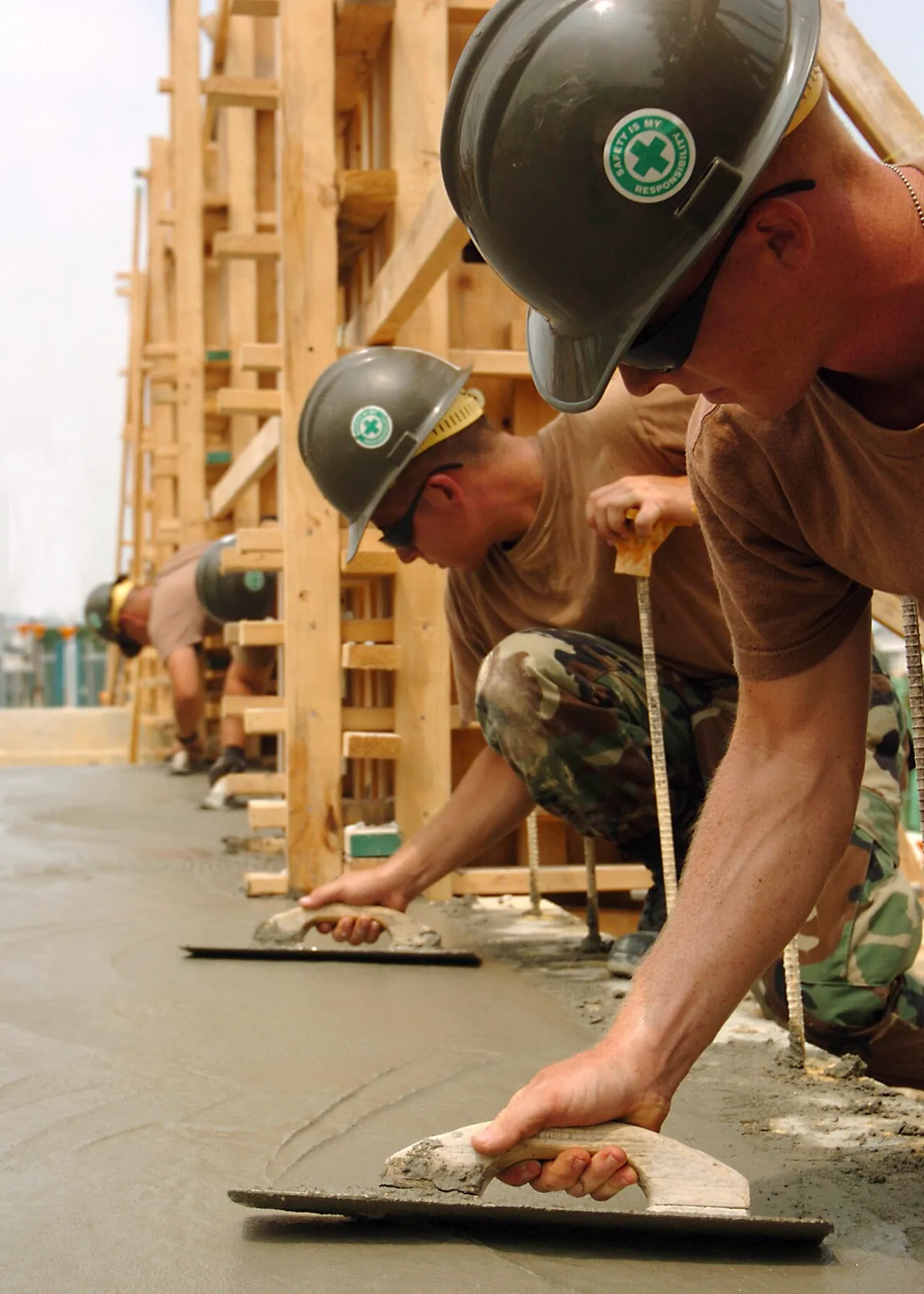
Photo: U.S. Navy, Photographer's Mate 2nd Class Eric Powell, Wikimedia Commons, public domain
Quick Answer
A concrete trowel is a thin, flat steel blade with a handle, used after floating to compact and smooth the surface into a dense, hard finish. Start troweling concrete only after the bleed water has gone and the slab has been floated, when your knee board leaves a print no deeper than about 1/8 to 1/4 inch. Hold the blade nearly flat for the first pass, then raise the leading edge a little more on each later pass as the concrete stiffens. Two or three passes give a smooth trowel finish concrete surface for garage floors, basements and interior slabs; more passes give a hard, burnished finish. Large slabs are done with a power trowel. Outdoors, a hard steel trowel concrete finish is slippery when wet and can cause scaling on air-entrained concrete, so outdoor slabs are usually lightly troweled and then broomed.
If you have ever seen a smooth, glossy garage floor or a polished-looking basement slab, you have seen what a concrete trowel can do. Troweling concrete is the last and most skilled step in finishing a slab. The concrete trowel takes the floated surface, which is flat but slightly open and sandy, and compacts it into a dense, hard skin. It is also the step where timing matters most: too early and you trap water and ruin the surface, too late and the trowel just scratches.
This guide covers the types of concrete trowels and what each is for, when to start troweling concrete, how to hold and move a hand trowel, how power trowels work, the difference between a light trowel, hard trowel and burnished finish, when troweled concrete is and is not a good choice outdoors, and the common mistakes that cause blisters, scaling and dusting.
What a Concrete Trowel Does
A concrete float levels the surface and opens it slightly. A concrete trowel does the opposite: it presses the fine paste at the surface together, pushes the sand grains down, closes small pores and makes a smooth, dense layer. Each concrete trowel pass with the blade tilted a little more presses harder on a smaller area of steel, which is why later passes produce a harder, shinier surface. The result is a surface that is easy to clean, resists wear and abrasion, and makes a good base for coatings or polished finishes.
Troweled concrete is the standard finish for interior floors, garage floors, basements, shops, warehouses and commercial slabs. It is also used on countertops, steps and other places where a smooth surface is wanted. See types of concrete finishes for how it compares with broom, stamped and exposed aggregate finishes.
Types of Concrete Trowels
Steel finishing trowel: the basic concrete finishing trowel, a rectangular steel blade about 3 to 5 inches wide and 12 to 20 inches long, with a handle mounted on a shank along the center. Carbon steel, often called blue steel, is the traditional choice. Stainless steel concrete trowels do not rust and are popular for white and colored concrete because they do not leave dark marks.
Pool trowel: a steel trowel with rounded ends, originally for plastering pools. The round ends do not leave lines or gouges, so many finishers use pool trowels for the final passes of any trowel finish concrete job.
Fresno trowel: a large steel blade, 24 to 48 inches long, on a long handle with a tilting bracket. It lets you trowel concrete from outside the slab without kneeling on it. Fresnos are common on driveways and walks, used after the bull float and before brooming.
Margin and pointing trowels: small narrow trowels for corners, edges, patching and tight spots.
Corner trowels: inside and outside corner trowels with bent blades for steps and curbs.
Power trowel: a machine with rotating steel blades used on large slabs, covered below.
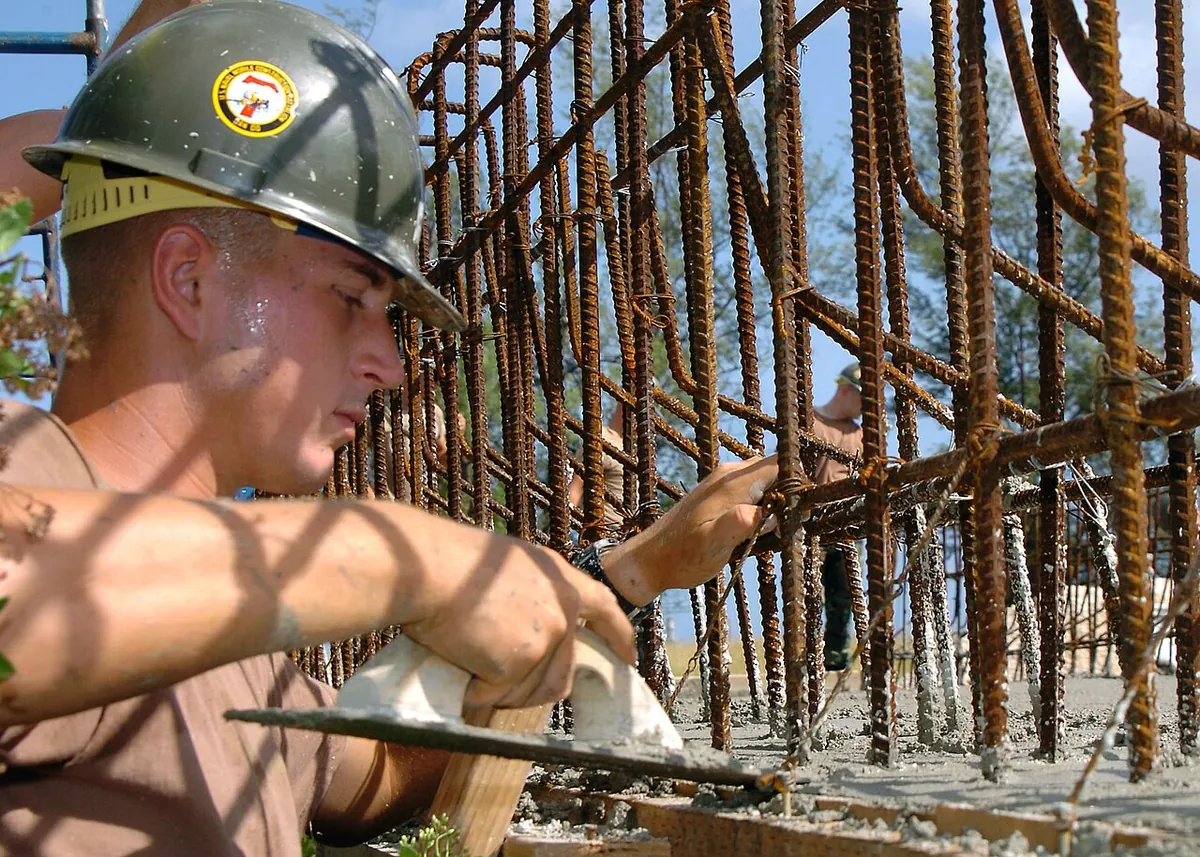
Photo: U.S. Navy, Journalist 1st Class Lisa Keding, Wikimedia Commons, public domain
Choosing Concrete Trowel Size and Blade
Bigger concrete trowels cover more area and leave a flatter surface, but they are harder to control and need more effort. Many finishers use a larger concrete trowel, 16 to 20 inches, for the first passes when the concrete is still soft, and a smaller one, 12 to 14 inches, for the final hard passes when more pressure is needed. Beginners usually find a 14 to 16 inch blade easiest.
Concrete trowel blade flexibility matters too. Flexible, thin blades, often called finishing blades, glide over soft concrete and give a smooth surface. Stiffer blades are better for the final hard troweling. New blades have sharp corners that can cut the surface; many finishers prefer a broken-in concrete trowel with slightly worn, rounded edges for finish work, and keep a newer, sharper one for early passes. Handles should be comfortable; you will hold the concrete finish trowel for a long time, often in awkward positions. Cork and soft-grip handles reduce fatigue.
When to Start Troweling Concrete
Troweling concrete comes after placing, screeding, bull floating, waiting for bleed water to evaporate, edging, jointing and hand or power floating. Starting too early is the most common and most serious mistake in trowel finish concrete work. If there is still water on the surface or just below it, the trowel seals it in, and the surface can blister, delaminate, or become weak and dusty.
The usual test is to step onto the slab on knee boards, or press with a thumb. If your foot or knee board leaves a print about 1/8 to 1/4 inch deep and no water rises into the print, the concrete is ready for the first trowel pass. If the print is deeper or fills with water, wait. On a hot, windy day, that may be within an hour of placing; on a cool day, it may be several hours. Watch the slab, not the clock. See bull float concrete for the floating steps that come first.
How to Trowel Concrete by Hand
1. Get on the slab with knee boards. Two knee boards spread your weight. Kneel on one, rest the other in front, and move them as you work, smoothing out their marks as you back away.
2. First pass, blade nearly flat. Hold the concrete trowel with the blade almost flat, raising the leading edge just enough that it does not dig in. Sweep it in wide arcs across the surface, overlapping each sweep by about half. Keep the pressure light. This pass smooths the surface left by the float and removes float marks.
3. Wait. Let the surface stiffen. You will hear and feel the difference: the blade starts to make a slight hissing or ringing sound on the concrete.
4. Second pass, slightly more tilt. Raise the leading edge a little more and press a little harder. Work at right angles to the first pass to avoid leaving ridges. The surface will become smoother and darker.
5. Third and later passes. For a hard trowel finish, continue with more tilt and pressure on each pass, waiting between passes as the concrete sets further. The final pass leaves a smooth, dense, slightly shiny surface. Each trowel pass should follow the concrete's setting, not rush ahead of it.
6. Clean up edges and joints. Run the edger and groover again lightly to sharpen the lines, then make one last pass with the concrete trowel to blend any marks.
Power Troweling Concrete
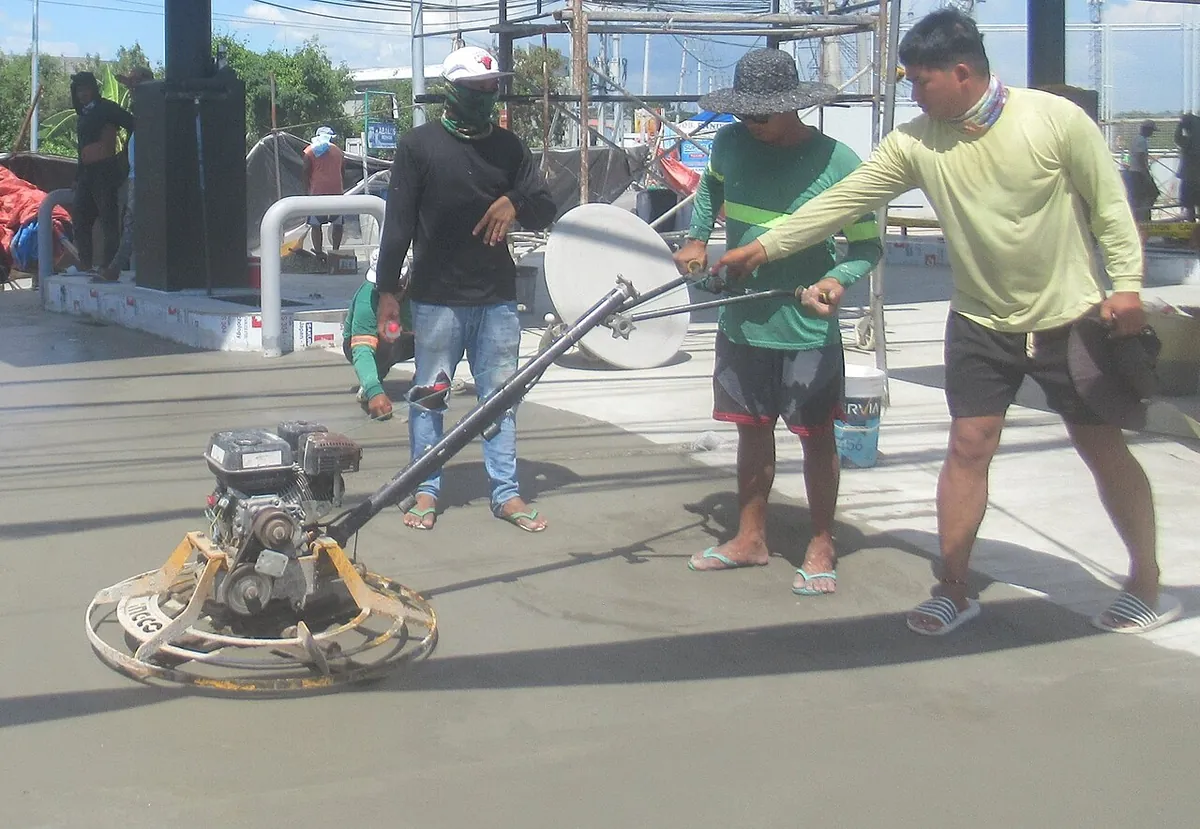
Photo: P1898, Wikimedia Commons, CC BY 4.0
For slabs larger than a few hundred square feet, troweling concrete by hand is slow and hard to keep consistent. A power trowel, sometimes called a helicopter because of its rotating blades, does the job faster and flatter. Walk-behind power trowels range from about 24 to 46 inches in diameter; ride-on models with two rotors cover large commercial floors.
Power troweling concrete follows the same sequence as hand work. Once the concrete can support the machine, usually when a footprint is about 1/4 inch deep, the operator fits float pans or float blades and power floats the surface. Then the pans come off, and finishing blades are used for several trowel passes, with the blade pitch increased on each pass. Edges and corners that the machine cannot reach are finished with a hand concrete trowel. Power trowels are commonly rented by the day; operating one well takes practice, because a machine left in one spot or run at too high a pitch too early can burn or gouge the surface.
Types of Trowel Concrete Finish
Light or single trowel: one or two light passes, leaving a smooth but not glassy surface. Often used before brooming outdoors, or under tile and carpet.
Hard trowel finish: three or more passes with increasing pressure, leaving a dense, smooth, slightly glossy surface. Standard for garage floors, warehouses and floors that will be sealed or coated.
Burnished finish: repeated high-pitch passes, often with a power trowel, until the surface turns dark and glassy. Very hard-wearing, but slippery and prone to showing marks. Sometimes used in industrial floors.
Swirl finish: a decorative pattern made by moving the trowel or float in arcs, giving a textured, non-slip surface.
For floors that will be polished or receive an epoxy coating, the right trowel concrete finish depends on the system; polishing contractors often prefer a hard trowel finish, while some coatings need a lighter one that the coating can grip. Ask the flooring installer before the pour. See polished concrete cost and concrete coating cost.
Troweled Concrete Outdoors: Why Broom Is Usually Better
A smooth, hard troweled concrete surface looks great indoors, but it is a poor choice for most outdoor slabs. It is slippery when wet or icy, which makes it a hazard on walks, steps and driveways. And in climates with freezing winters, outdoor concrete is air-entrained to resist freeze-thaw damage. Hard troweling concrete that is air-entrained, especially with a steel concrete trowel or power trowel, can close the surface while air and bleed water are still rising, causing blisters and delamination, and it reduces the air content right at the surface, where it is needed most. The American Concrete Institute and the Portland Cement Association both advise against hard steel troweling of exterior air-entrained concrete.
For outdoor slabs, instead of a hard trowel concrete finish, finishers usually bull float, hand float with magnesium, maybe make a light fresno or trowel pass for a smoother base, and then broom. If you want a smooth look outside, consider a light trowel finish with a fine broom, or a smooth finish in a sheltered area like a covered porch, and use a slip-resistant sealer. See concrete flatwork and does salt damage concrete.
Trowel Finish Concrete for Garage and Basement Floors
Garage floors are the most common place homeowners want a trowel finish concrete surface. A smooth, dense troweled concrete floor is easy to sweep, resists oil soaking in better than a rough surface, and takes sealers and coatings well. A typical garage floor gets a bull float pass, hand or power floating, and two or three passes with a concrete trowel or power trowel. Because garage floors see road salt dripping off cars in winter, many builders specify air-entrained concrete; if so, keep the trowel passes moderate, finish with a light hard trowel rather than a burnished finish, and seal the floor after curing.
Basement floors are usually not air-entrained and stay indoors, so a hard trowel concrete finish is standard. The main concern is moisture: basement slabs dry slowly, and a very hard troweled concrete surface can slow drying even more, which matters if flooring will go down later. Plan for a moisture test before installing wood, vinyl or carpet. See vapor barrier under concrete and concrete garage floor repair.
Troweling Concrete in Hot and Cold Weather
Weather changes the troweling window more than anything else. On hot, dry, windy days, the surface can set and crust before the concrete below is ready, and finishers may find themselves troweling concrete that is soft underneath and hard on top. That leads to a surface that tears, blisters or cracks. Use an evaporation retarder sprayed on the surface between passes, sunshades and windbreaks, and enough finishers to keep up. Pour early in the morning in summer.
On cold days, the opposite happens: setting slows down, bleed water lingers, and the window for the first concrete trowel pass may not open for many hours. Finishers sometimes work late into the evening to finish a slab poured in the morning. Heated concrete, accelerators and insulated blankets after finishing help; never trowel over bleed water to save time. See pouring concrete in cold weather and calcium chloride in concrete.
Hand Trowel or Power Trowel?
The choice depends mostly on slab size and finish. Hand concrete trowels make sense for walks, steps, small pads, countertops and edges, and for anyone doing a single small project. For a two-car garage of about 400 to 600 square feet, an experienced finisher can still hand trowel, but a rented walk-behind power trowel gives a flatter, more even finish with much less effort. For anything larger, a power trowel is the practical choice. Even on power-troweled floors, a hand concrete finishing trowel is still needed for edges, corners, around pipes and drains, and along walls where the machine cannot reach.
If you rent a power trowel for the first time, ask the rental store to show you how to set the blade pitch, start and stop the machine, and steer it. Practice briefly on the slab edges during the float pass, when mistakes are easier to fix. Keep it moving and never let it sit spinning in one spot.
How Long Troweling Takes
Troweling concrete is not a single quick step. On a typical garage slab, the first trowel pass might come an hour or two after the pour in warm weather, and the final hard trowel pass two to four hours after that. In cool weather, the whole process can take most of a day. Plan to stay with the slab until it is finished and curing has started. That is one reason contractors charge more for a hard trowel finish than for a broom finish: it takes more labor and more hours on site.
Using a Concrete Trowel for Countertops, Steps and Small Work
On cast-in-place countertops, steps and small decorative pieces, a concrete trowel shapes and smooths surfaces that a float cannot reach well. Small pool trowels and margin trowels work edges, and corner trowels shape step noses and inside corners. For countertops, finishers often trowel the top several times for a dense, smooth surface, then grind and polish later. For steps, the treads usually get a light trowel and a fine broom for grip, while the risers are troweled smooth after the forms are stripped. See how to pour concrete steps and concrete countertops.
Hiring for a Trowel Finish
If you hire a contractor for a garage floor, basement or shop slab, ask what trowel concrete finish they plan to give it and whether it will be hand or power troweled. Ask whether the mix is air-entrained, and if it is, how they will avoid over-troweling. Ask how they will cure the slab afterwards. A contractor who explains the timing, the number of passes and the curing method clearly usually knows how to produce a good troweled concrete floor. See concrete slab cost for typical prices.
Reading the Surface as You Trowel
Experienced finishers watch and listen while troweling concrete. On the first pass the concrete trowel glides with little resistance and leaves a matte, slightly sandy surface. As the slab sets, the blade begins to drag a little and makes a soft hissing sound, and the surface turns smoother and darker behind it. By the final passes the blade rings slightly against the hard surface and leaves a sheen. If the trowel starts to skip, chatter or leave black streaks, the surface is getting too hard for that pass; flatten the blade or stop. If it sinks or pulls up wet paste, it is too early. Learning these signs is the real skill behind a good trowel finish concrete floor.
Keep a damp brush or sponge handy for touching up edges, and a spare concrete trowel with clean, smooth edges for the final pass. Wipe the blade often so dried paste does not scratch the troweled concrete surface. When the last pass is done, start curing right away with a curing compound, wet curing or plastic, so the dense surface you have created can gain strength without drying out.
Common Troweling Mistakes
Troweling concrete too early. Sealing the surface while bleed water is still rising causes blisters, delamination, dusting and scaling. Wait for the right firmness.
Adding water. Splashing water on the surface to make troweling concrete easier weakens the top layer. If the concrete is drying too fast, use an evaporation retarder instead.
Too much tilt too soon. Raising the concrete trowel blade too much on early passes leaves chatter marks and ridges.
Steel troweling air-entrained exterior concrete. Causes scaling and delamination; broom instead.
Burning the surface. Overworking one area with a power trowel at high pitch creates dark, burned patches that may look different or wear unevenly.
Leaving knee board marks. Always trowel concrete marks out as you back off the slab.
Poor curing. A beautiful trowel finish concrete surface can still dust and craze if it dries out. Cure it right after finishing; see concrete curing compound.
Troubleshooting a Troweled Surface
Blisters: small bumps that appear during troweling are usually trapped air or water under a surface sealed too early. Stop troweling, flatten the trowel, and wait; if they keep forming, the concrete is being closed too soon.
Crazing: a fine web of cracks that appears a day or more later, usually from rapid drying, overworking, or a surface too rich in paste. Mostly cosmetic.
Dark spots or mottling: often from uneven troweling, calcium chloride in the mix, or uneven curing under plastic sheeting.
Dusting: a soft surface that rubs off as powder, usually from water at the surface during finishing. See concrete dust for causes and fixes.
Buying and Caring for Concrete Trowels
A good hand concrete trowel costs roughly $15 to $60, depending on size and steel; pool trowels and premium stainless blades cost more. A fresno with handles runs about $100 to $250. Walk-behind power trowels cost from roughly $1,000 to several thousand dollars to buy, so most homeowners rent them by the day. See concrete tools for a full list of finishing tools and costs.
Clean concrete trowels right after use with water and a stiff brush, then dry them and wipe carbon steel blades with a little oil. Never let concrete harden on a blade; scraping it off scratches the steel and those scratches will show on the next slab. Store trowels hanging or flat so the blades stay straight. Many finishers keep their best concrete finishing trowel only for final passes, so its edges stay smooth and broken in.
Practice Before Your First Trowel Finish
Troweling concrete is a feel skill. If you have never done it, practice on a small slab or even a few test boxes of bagged concrete before your main pour. Pay attention to how the surface changes as it sets, how the sound of the blade changes, and how much pressure it takes to close the surface. With a little practice, you will learn when to trowel concrete and when to wait, which is what separates a smooth, durable finish from one that blisters or dusts.
In short, a concrete trowel rewards patience. Trowel concrete only when it is ready, add a little more tilt with each pass, and stop once the troweled concrete surface is as smooth as the job needs.
Frequently Asked Questions
When can you trowel concrete?
After bleed water has evaporated and the slab has been floated, when a footprint or knee board leaves a mark about 1/8 to 1/4 inch deep with no water in it.
How many times should you trowel concrete?
Usually two or three passes for a smooth finish, more for a hard or burnished finish. Wait between passes as the concrete sets.
What is the difference between a float and a trowel?
A float levels and opens the surface; a concrete trowel compacts and closes it for a smooth, dense finish. Always float before you trowel.
Should outdoor concrete be troweled?
Only lightly. Hard troweled concrete is slippery outdoors and can scale in freezing climates; a broom finish is usually better.
Sources
- American Concrete Institute: ACI 302.1R guide to concrete floor and slab construction, troweling and finishing
- Portland Cement Association: finishing concrete slabs and air-entrained concrete
- National Ready Mixed Concrete Association: CIP 13 (blisters), CIP 20 (delamination), CIP 3 (crazing)
- American Society of Concrete Contractors: troweling air-entrained concrete
Related Guides
- Bull float concrete — when and how to use a concrete bull float
- Concrete grinding — floor grinders, discs, scarifiers and how-to
- Concrete floors in homes — pros, cons, finishes and costs indoors
- Brushed concrete — broom finish and concrete brushes
- How to smooth concrete — troweling and smoothing hardened concrete
- World of Concrete — the industry's annual trade show in Las Vegas
- Concrete worker — job duties, pay, training, safety and career path
- Concrete machines — mixers, placer booms, screeds, trowels, sprayers, saws and scrubbers
- Concrete slide — hillside and playground slides, plus concrete sliders (knee boards)